Is Comprehensive Insurance Full Coverage
No. Comprehensive is one piece of coverage, not a complete policy, and you need liability and collision alongside it to be fully protected.
What comprehensive actually covers and doesn't
- Comprehensive covers your car It pays for damage to your own vehicle from things other than a collision, like weather, fire, or theft. Check your declarations page to see if you already carry it.
- It skips crash damage entirely If you hit another car or a guardrail, comprehensive pays nothing toward your car. That's collision coverage's job, and you need both to cover most situations.
- Liability isn't included either Comprehensive says nothing about the other driver's car or medical bills if you cause a crash. Liability coverage handles that, and most states require you to carry it.
- "Full coverage" is a sales term No policy is legally called full coverage. People use it loosely to mean liability, collision, and comprehensive together, so ask your insurer exactly what's included.
- Your lender may require more If you're financing or leasing, the lender likely requires comprehensive and collision both. Check your loan agreement, not just what sounds like enough coverage.
The short version
Comprehensive alone is not full coverage. It only pays for damage to your car from non-crash events, like weather or theft, while liability and collision cover crashes and damage to others. To be fully protected, you need all three. Ask your insurer to confirm exactly which coverages your policy includes before you assume you're covered.
Do I actually need all three coverages or just comprehensive?
It depends on your car and your state. If you own your car outright and it has little value, you might decide liability alone is enough, since comprehensive and collision mainly protect your own vehicle. But if your car is financed, leased, or worth repairing, you likely need all three to be protected the way you expect.
State law sets minimum liability requirements everywhere, but it never requires comprehensive or collision. Those are your choice unless a lender requires them. The real question isn't whether comprehensive counts as full coverage, since it doesn't, but whether your car's value and your finances justify carrying collision and comprehensive alongside your required liability coverage.
Compare quotes that break out liability, collision, and comprehensive so you know exactly what you're buying.

Assuming comprehensive is enough on its own
If you do
If you carry only comprehensive and cause a crash, you pay out of pocket for the other driver's car and medical bills, plus your own repairs. A single at-fault accident without liability or collision coverage can cost you far more than years of premiums combined.
If you don't
If you check your policy now and add liability and collision where missing, you're covered for crashes, not just weather or theft. You'll pay a bit more each renewal, but a collision or an at-fault accident won't become a bill you have to cover yourself.
When a hailstorm revealed a coverage gap
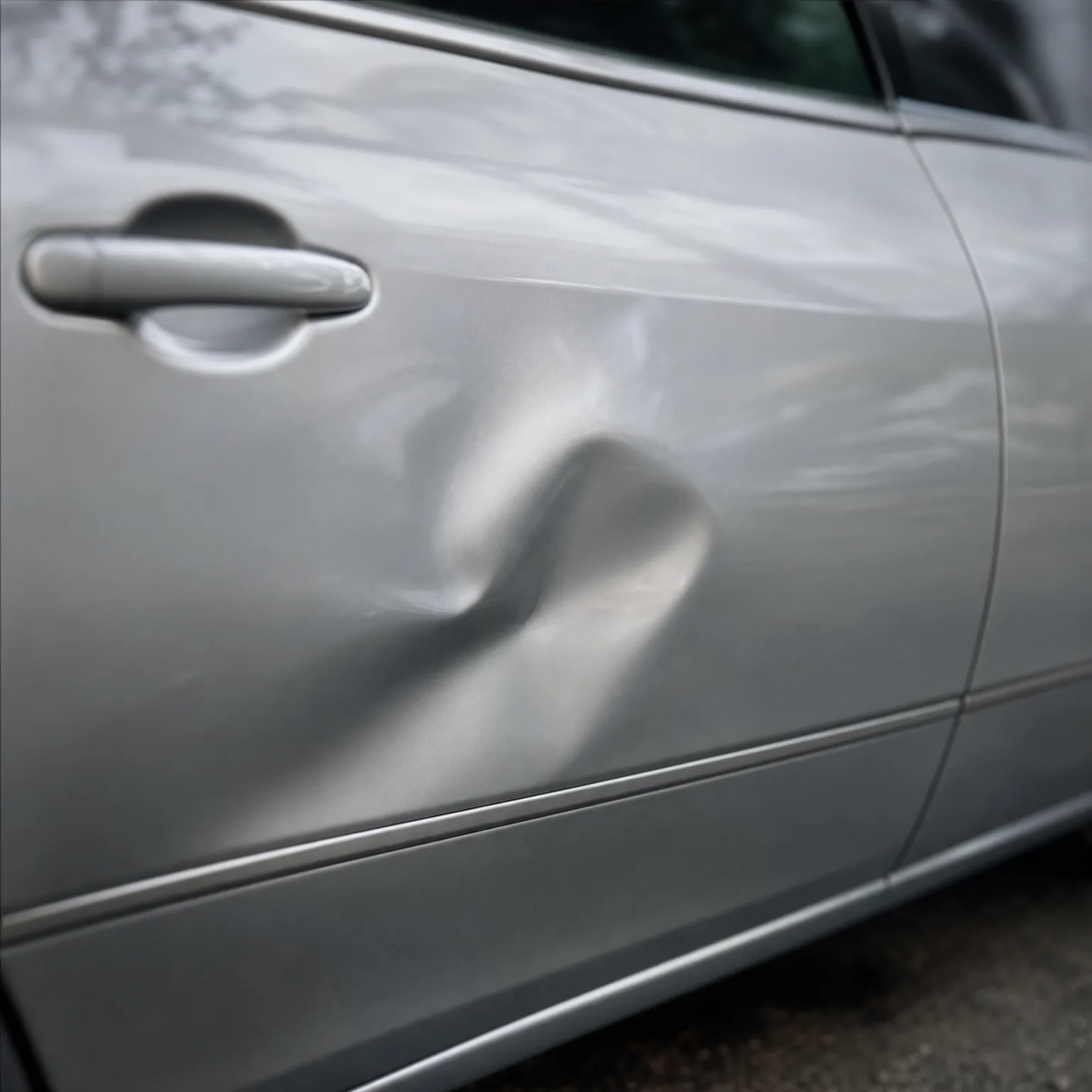
A driver in their 80s had carried the same policy for over a decade, confident she had full coverage because her agent years ago used that phrase. A hailstorm dented her hood and cracked her windshield, and her comprehensive coverage paid for the repairs without trouble. She assumed that same protection would apply if she caused a crash.
A few months later, she backed into a parked car in a lot. When she filed the claim, she learned her policy had comprehensive but no collision coverage, so her own car's damage wasn't covered at all, only the other driver's car under her liability coverage. She paid for her own repairs directly. After that, she called her insurer, added collision coverage, and confirmed in writing exactly what each part of her policy covered going forward.
The coverage that protects your car in a storm is not the same coverage that protects you in a crash.