Is Comprehensive Only Worth It for a Parked Car
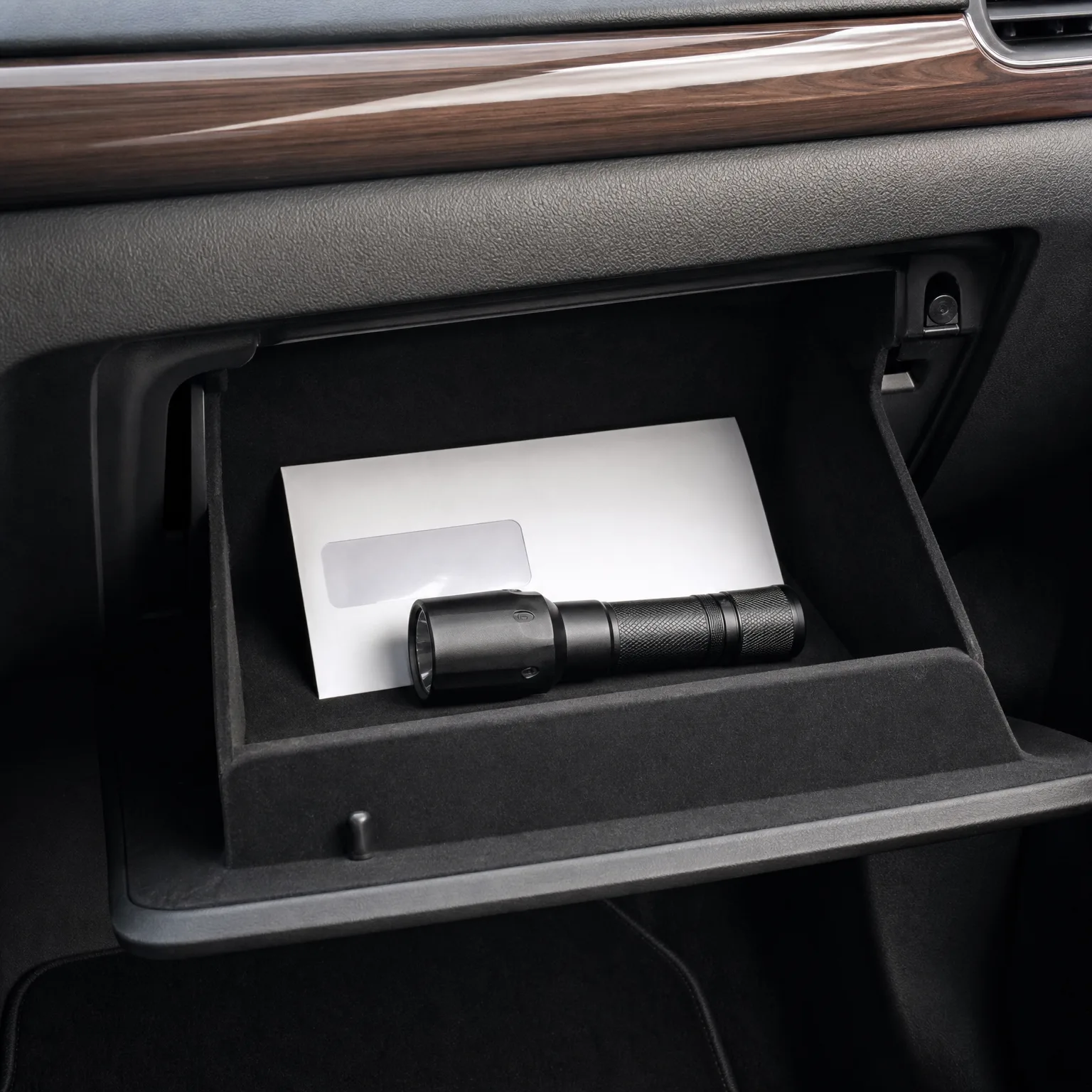
Comprehensive covers a car that never leaves the driveway, because the risks it protects against don't need the engine running.
Why comprehensive still earns its keep when the car barely moves
Comprehensive coverage was never built around driving. It exists for the things that happen to a car regardless of whether anyone is behind the wheel. Fire, theft, falling branches, hail, flooding, a deer wandering through a carport. None of that requires motion, so a parked car is still exposed to most of what comprehensive is meant to pay for.
Collision coverage is the part tied to driving, since it pays for crashes with other cars or objects. If you're driving less now, collision is the coverage whose value shrinks. Comprehensive doesn't shrink the same way, because weather and theft don't care about your mileage.
Where this can differ is the car itself and where it sits. A car stored in a locked garage carries less theft and weather risk than one parked on the street, and some insurers price that difference. A few also offer reduced rates for cars driven rarely or kept mostly for errands, so it's worth asking what counts as low mileage and whether that changes your premium.
The other variable is the car's value. As a car ages, its payout under comprehensive shrinks toward what it's actually worth, not what you paid. At some point the coverage still works exactly as described, but the payout may feel small next to the premium. That's a math question for your specific car, not a reason comprehensive stops functioning.
What to check before deciding comprehensive isn't worth it
- Where the car is parked A garage or covered space lowers theft and weather risk compared to a street or open lot. Ask your insurer if parking location affects your rate.
- The car's current value Look up what your car is actually worth now, not what you paid. If the value is very low, compare the premium against the realistic payout.
- How rarely you drive it Some insurers offer lower rates for low mileage or seasonal use. Ask directly what counts as low mileage for a discount.
- What it actually covers Fire, theft, falling objects, flooding, and animal strikes are typical examples. Confirm your policy's exact list, since wording varies by insurer.
- Which coverage to drop If the car rarely drives, collision coverage is the one whose value shrinks first. Ask your insurer what dropping only collision would do to your premium.
Once you know what a parked car is still exposed to, compare quotes to see what keeping comprehensive costs you.
Should I drop collision but keep comprehensive on a car that's rarely driven?
For many drivers in this situation, yes, that split makes sense. Collision pays for crashes, and if the car mostly sits still, that risk is already low. Comprehensive keeps paying for theft, fire, and weather, which don't go away just because the car isn't moving.
The decision still depends on your car's value and your own finances. If the car is old enough that even a comprehensive payout would be small, dropping both is sometimes the more honest answer. If the car still holds real value, keeping comprehensive and dropping only collision is usually the balance that matches how the car is actually used. Ask your insurer to quote it both ways so you're comparing real numbers, not guesses.
Deciding whether to keep comprehensive on a parked car
If you do
You stay covered if a storm, fire, theft, or falling tree damages the car while it sits. You pay a premium for a car that isn't earning much use, but you're protected against the risks that don't need the engine running. If something happens, you file a claim like any other covered loss.
If you don't
You save the premium, but a stolen car, storm damage, or fire becomes entirely your cost to absorb. If the car still has real value, that's a real risk to carry alone. If it's worth very little, this may be reasonable, but make it a choice you made on purpose, not a default.
Does comprehensive cover a car stored in a garage versus outside?
Yes, comprehensive covers both, but the risk level differs and some insurers price that in. A garage lowers exposure to theft, hail, and falling branches, so ask your insurer directly whether garage storage affects your premium. If it does, confirm what proof they need, since some require documentation of where the car is kept overnight.
Will my rate go down if I switch my parked car to a lower mileage category?
It can, if your insurer offers a low mileage or limited use category and your actual driving qualifies. Ask what mileage threshold applies and how they verify it, since some use odometer checks or estimates. If you're close to the line, be honest about your driving, since misreporting mileage can affect a claim later.
What happens if my parked car is damaged by a falling tree during a storm?
Comprehensive is the coverage that applies here, since it covers weather and falling objects regardless of whether the car was moving. File the claim with your insurer and document the damage with photos before anything is moved or repaired. Confirm your deductible ahead of time, since that's the cost you'll carry before coverage applies.