Is Driving at 4am Dangerous
Yes, 4am driving carries more risk because your body is biologically primed for sleep then, not because of traffic or road conditions.
Your body, not the road, is what changes at 4am
The danger at 4am comes from your own alertness, not from the streets being more hazardous. Your body runs on an internal clock that pushes you toward sleep during the deepest part of the night. Reaction time slows, attention drifts, and your eyes can close for a moment without you fully registering it. That happens whether you feel tired or not, because the clock runs on its own schedule.
This is different from being drowsy because you stayed up late. Even someone who slept well the night before and simply woke up early to drive will hit this low point in alertness. The body doesn't know why you're awake, it just knows what part of the night it is. That's why 4am driving is grouped with night shift work and jet lag as situations where people underestimate their own impairment.
For you, this matters less for insurance and more for the drive itself. Insurers generally don't ask what time you drive or price policies around it, since claims data ties risk to things like how much you drive and your record, not the hour on the clock. What changes at 4am is your own margin for error. Roads are usually emptier, which helps, but a slower reaction time cancels out a lot of that benefit.
The exception is if a health condition affects your alertness or vision in low light. If that's true for you, the risk isn't really about 4am itself, it's about that condition showing up more at a time when your body is already working against you. That's worth raising with a doctor, separate from anything about your coverage.
What to check before an early drive
- How you slept Short or broken sleep adds directly to the early morning slump. If you didn't rest well, treat this drive like you would after a bad night, not a normal morning.
- Your planned route Pick roads you know well, with good lighting and few turns. Familiar routes ask less of a brain that's running slower than usual.
- Your eyesight in low light Night vision changes with age more than most people expect. If headlights or dark roads feel harder to read lately, get your eyes checked before relying on early drives.
- A break partway through Plan a stop if the drive is long enough to allow one. Even a short break out of the car can reset your attention more than coffee does.
- Any new medication Some medications affect alertness more at this hour because they interact with your natural sleep cycle. Ask your pharmacist if timing matters for what you take.
Your early hours don't affect your rate, so compare quotes to see one that matches the safe driver you are.
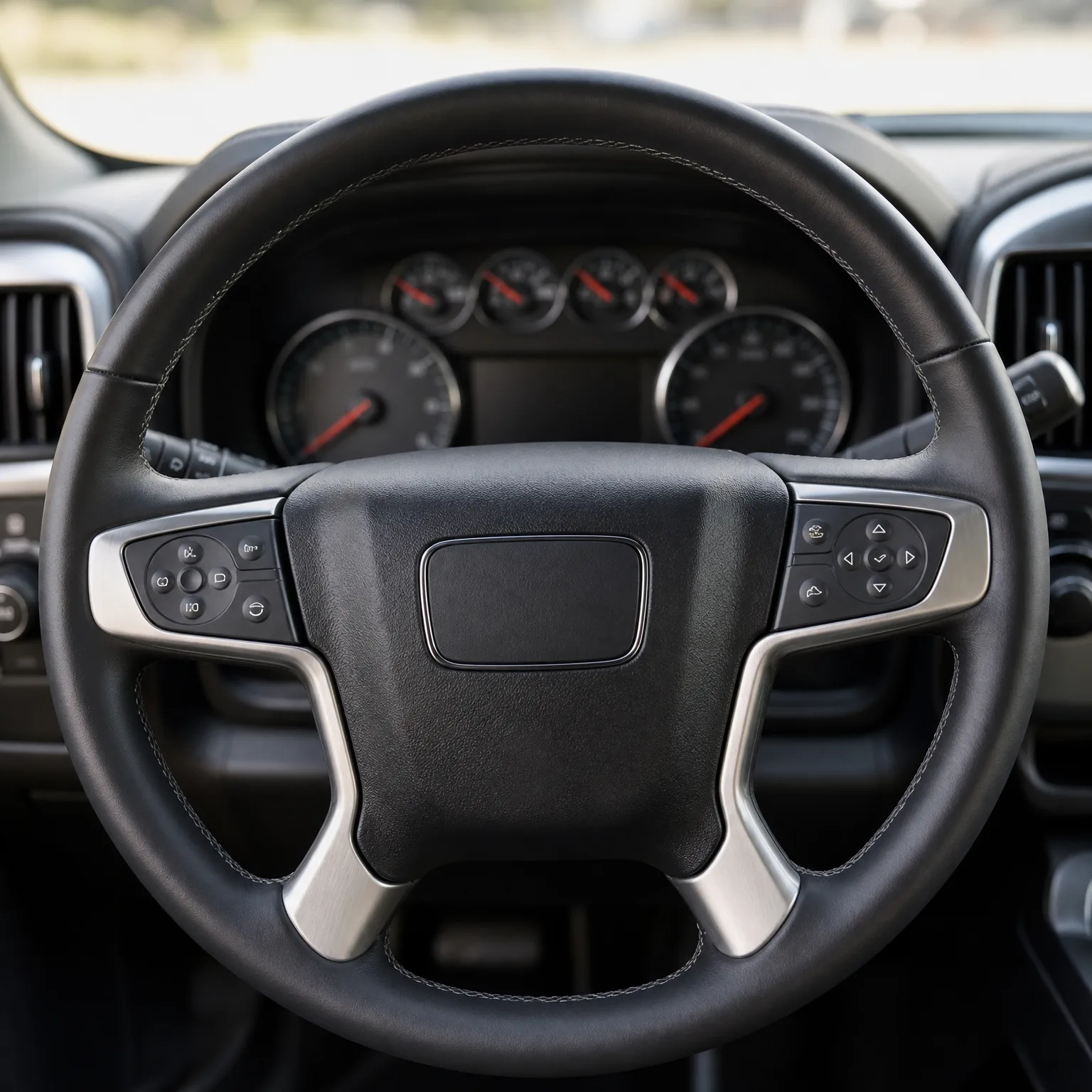
A Sunday drive to early church service
Say you drive yourself to an early service most Sundays, a trip you've made for years without trouble. Lately you've noticed the drive feels harder, not because the road changed, but because you feel foggier behind the wheel than you used to. You start wondering if it's your age, your eyes, or just the hour.
You decide to test it by shifting your routine slightly. You go to bed a little earlier on Saturday nights and keep the radio off so you're not tempted to relax into autopilot. You also ask your eye doctor at your next visit whether your night vision has changed, since you hadn't thought to mention it before. The drive itself turns out fine, the fog was mostly about sleep timing, not a sign you shouldn't be driving. You keep the earlier bedtime as a habit and feel more confident making that Sunday drive, knowing it's within your control rather than something to simply worry about.
The risk at 4am lives in your alertness, not in the road or your driving record, so that's what to manage.
Does driving at 4am raise my insurance rates?
No, insurers don't price policies based on what time of day you typically drive. Rates are built from things like your driving record, how much you drive annually, your location, and your vehicle, not the hour you happen to be on the road.
What could indirectly affect your rate is if early morning driving leads to an incident, since any claim or violation affects pricing regardless of when it happened. So the real question isn't whether 4am itself costs you money, it's whether driving at that hour increases your chance of an incident that would. That's a safety question more than a pricing one, and it's worth treating it that way. If you're confident in your alertness and eyesight at that hour, there's no insurance reason to change anything.