Is It Bad to Admit Fault in a Car Accident
Yes, admitting fault at the scene can hurt your claim even if you're only partly responsible, so stick to describing what happened.
A left turn that wasn't fully your fault
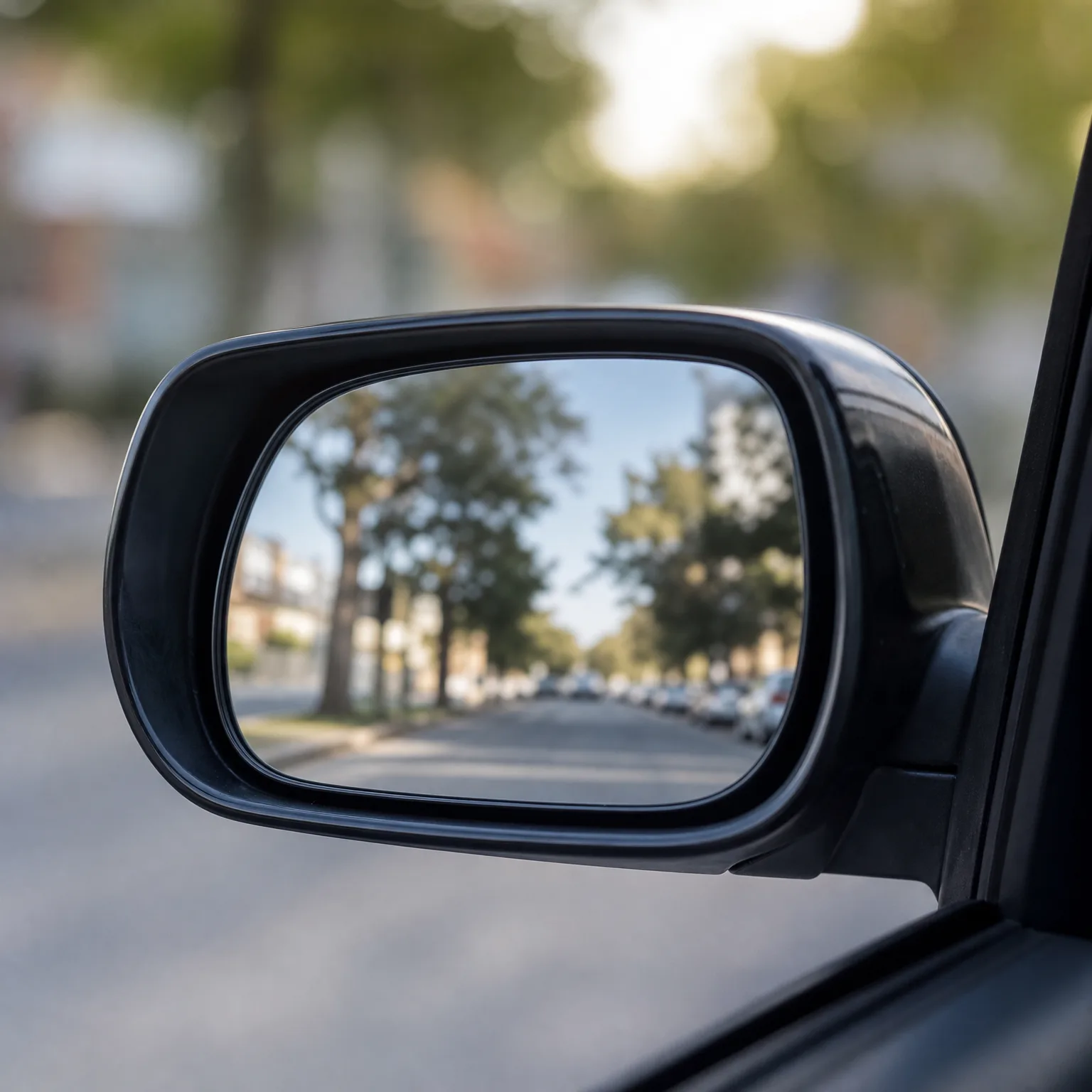
You're turning left into your church parking lot and a car clips your rear bumper while passing on the shoulder. You feel rattled and tell the other driver you're sorry, you should have checked your mirror again. The other driver's insurer later points to that apology as proof you caused the crash, even though passing on the shoulder was against the rules there too.
You call your insurer that same day and describe only what happened, the turn, the speed, the position of both cars. The adjuster investigates the shoulder violation and the fault gets split between both drivers instead of landing entirely on you. Your rate still reflects some responsibility, but far less than it would have if your apology had stood alone as the only account of what happened.
What should you say at the scene instead of sorry?
Describe what happened without judging who caused it. Say what direction you were going, what the signal showed, what you saw the other driver do. Leave the question of fault to the adjusters and the police report.
It feels unnatural to stay quiet when someone seems hurt or upset, and you can absolutely check on them and offer help. But help and blame are different things. You can say you're glad everyone is okay without saying the crash was your doing. That distinction protects you later without making you seem cold or evasive in the moment.

Fault gets decided by evidence and insurers, not by what you say out of politeness at the scene.
Once you know how to handle fault at the scene, compare quotes to see how it actually affects your rate.

Do you say sorry at the scene or just describe what happened
If you do
If you apologize or say it was your fault, that statement can be written into the police report or repeated by the other driver to their insurer. It becomes evidence even if the full picture later shows shared responsibility. Reversing that impression afterward is much harder than not creating it in the first place.
If you don't
If you stick to describing what happened, the adjusters and police determine fault using evidence, not impressions. You can still be kind and check on the other driver without assigning blame to yourself. Fault gets decided fairly, based on what actually happened, not on who sounded more apologetic.
What actually determines fault after a crash
- Police report details The officer's account of positions, damage, and statements often carries real weight. Give clear, factual answers to their questions, not guesses about who was at fault.
- Your own statement What you tell your insurer matters as much as what you said at the scene. Describe actions and facts, and let the adjuster draw conclusions about fault.
- Witness accounts Anyone who saw the crash can support or contradict either driver's version. If someone stopped to help, get their contact information before they leave.
- Photos and road conditions Pictures of the vehicles, signals, and road at the time can settle disputes that words can't. Take them before anything gets moved, if it's safe to do so.
- State fault rules Some states split fault by percentage, others assign it to one driver. Check how your state handles shared responsibility, since it changes what admitting partial fault actually costs you.