
Is It Normal for Car Insurance to Go Up Every 6 Months
Yes, it's normal for your premium to shift at every renewal, and age is only one piece of what's changing.
Your rate reflects the whole pool of drivers, not just you
Every six months, your insurer recalculates risk based on a mix of things. Some of it is about you, like your age, where you keep the car, and your driving record. But a large part of it has nothing to do with you at all. It's about claims, repair costs, and medical costs across everyone the insurer covers in your area. When those costs rise, renewals rise too, even for drivers who haven't had an accident in decades.
Age is one factor insurers weigh because statistically, drivers in their late seventies and eighties file more claims than middle-aged drivers, though far less than teenagers. That doesn't mean you personally are seen as unsafe. It means the actuarial tables group you with other drivers your age, and that group's claims history shapes your price. A spotless record can keep your increase smaller than someone else's, but it rarely eliminates the increase entirely.
Where you live matters too. Insurance is regulated state by state, so how often rates can change, and how much notice you get, depends on where you're licensed. Some states limit how frequently insurers can adjust prices or require more detailed explanations. Check your state's department of insurance website if you want to know the specific rules that apply to your policy.
There are cases where the pattern breaks. If you've had a recent at-fault claim, a moving violation, or a lapse in coverage, your increase may be larger and tied directly to that event rather than general trends. If your increase seems far larger than what neighbors or family report, that's worth a direct question to your insurer, not an assumption that it's just your age.
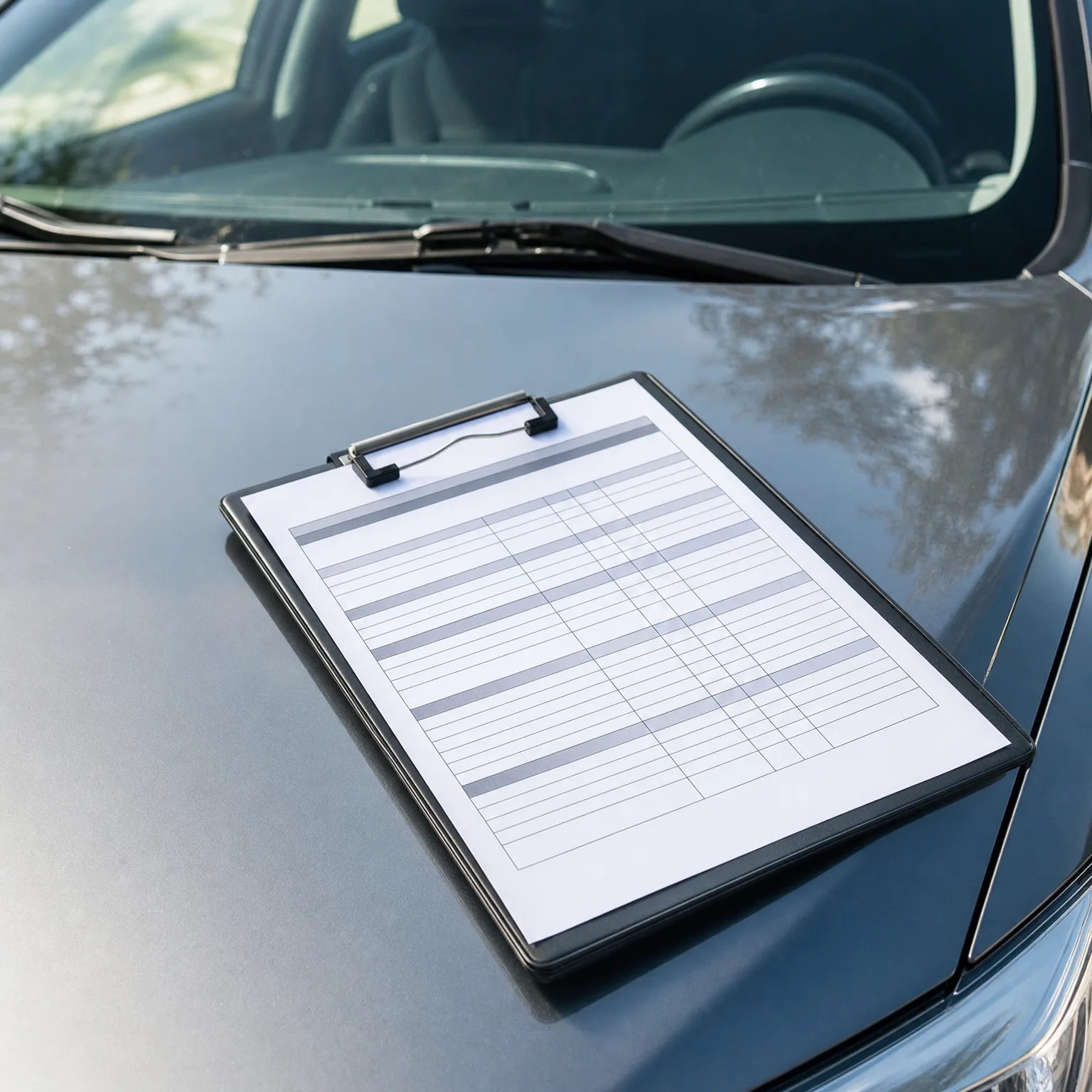
What to check before you accept the new price
- Your driving record Ask your insurer exactly what's on file. A ticket or claim you forgot about could be driving the increase more than your age is.
- Mileage on file If you're driving less than you used to, update your estimated annual mileage. Lower mileage can lower your rate.
- Available discounts Ask specifically about defensive driving courses and any long-tenure or loyalty discounts. Many require you to ask rather than being applied automatically.
- Coverage you no longer need Review whether coverages like rental reimbursement or roadside assistance still make sense for how you drive now.
- Other insurers' rates Get a quote or two elsewhere before renewing. It tells you whether this increase is industry-wide or specific to your current insurer.

When a routine renewal notice raised real questions
A driver in her early eighties received her renewal notice and saw the premium had gone up again, the third increase in two years. She hadn't had a ticket or accident in over twenty years, and she drove mostly to church, the grocery store, and her grandchildren's houses a few towns over. She called her insurer to ask directly what changed, rather than assuming it was simply her age catching up with her.
The agent explained that claims costs in her area had risen broadly, affecting most policyholders, but also pointed out she qualified for a mature driver discount she hadn't been receiving because she'd never completed the course that unlocks it. She signed up for a short defensive driving class designed for older drivers, submitted the certificate, and saw her next renewal come in lower than the one before it. The broader cost trend didn't go away, but she had addressed the one piece of the increase that was actually within her control.
Compare quotes now that you know which parts of your increase you can actually change.
Will my insurance keep going up every renewal as I get older?
It's likely to keep changing, though not always upward, and age alone won't drive it forever. Rate changes are tied more to overall claims trends, your specific driving record, and where you live than to a steady march upward tied purely to your birthday.
Many drivers see their rates stabilize or even dip slightly in their eighties if they maintain a clean record, drive less, and take advantage of discounts like defensive driving courses. The honest answer is that no insurer can guarantee a flat or declining rate indefinitely. What you can do is make sure every renewal reflects your actual driving, not outdated assumptions, by checking your mileage, your discounts, and your record each time a notice arrives.
Why did my car insurance go up with no accidents or tickets?
It usually reflects broader cost trends rather than anything you did. Insurers regularly adjust rates based on claims costs across your region and age group, not just your individual history. Check your renewal notice for a breakdown, and ask your insurer directly what changed. If the increase seems unusually large compared to past renewals, request a specific explanation rather than assuming it's tied to your record.
Can my insurer drop me for being too old to drive safely?
Insurers generally can't cancel you based on age alone while your license remains valid and your record is clean. Nonrenewal is usually tied to specific claims, violations, or a lapse in required documentation, not age by itself. Rules vary by state, so check your state's insurance department for specifics on nonrenewal protections. A real concern would be a recent at-fault accident or a license status change, which are separate issues from a routine age-related rate adjustment.
Does a vision or medical exam affect my insurance rate?
It can affect your license status, which indirectly affects insurance, but the exam itself isn't reported to your insurer. States that require periodic testing for older drivers do so through the licensing agency, not the insurance company. If a medical condition leads to license restrictions, like daytime-only driving, that restriction could factor into your coverage terms. Check your state's DMV requirements directly since testing rules vary significantly by state.