Is It Worth Getting Front Parking Sensors
Front parking sensors are worth it if you want earlier warning in tight spots, driveways, and garages where judging distance is hard.
They catch what your eyes and mirrors miss up close
Front sensors solve a specific problem. When you're nosing into a garage, a tight driveway, or a parking spot with a wall or another car close ahead, the hood blocks your view of the last foot or two. Sensors fill that gap with sound or a dashboard signal, so you know exactly how much room you have left before you hear a bump instead of a beep.
The value shows up most for drivers who park in the same tight spots regularly, like a narrow home garage, or who drive a vehicle where the front end is hard to see from the driver's seat. If your parking is mostly open lots with plenty of room, the benefit is smaller because you rarely get close enough to objects for the sensors to matter.
They don't replace looking around before you move. Sensors detect objects close to the bumper, not pedestrians stepping out from the side or a cyclist passing behind you. They're a last check for distance, not a substitute for mirrors, backup cameras, or turning your head. Weather, dirt on the sensor, and oddly shaped objects like thin poles can also affect how reliably they pick things up.
Cost and installation vary by vehicle and by whether you're adding them aftermarket or they came factory installed. Check with a shop or dealer on what fits your car, and check your insurer on whether having them affects your coverage or premium at all, since that varies by company and isn't guaranteed.
What decides if they're worth it for you
- How tight your parking is If you regularly park in narrow garages, tight driveways, or close spots, sensors give real warning. If you mostly park in open lots, the benefit shrinks.
- How hard the front is to see Some vehicles have hoods or front ends that block your view of nearby objects. Sensors help most when your sightline is already limited.
- Installation cost and fit Aftermarket sensors cost less than factory systems but vary by vehicle. Ask a shop what's compatible with your car before deciding.
- Upkeep and reliability Sensors need to stay clean to work well. Wipe them off regularly, especially in winter grime or road dust, so they keep reading accurately.
- Effect on insurance, if any Some insurers consider safety features when pricing a policy, others don't. Ask your insurer directly rather than assuming it changes your rate.
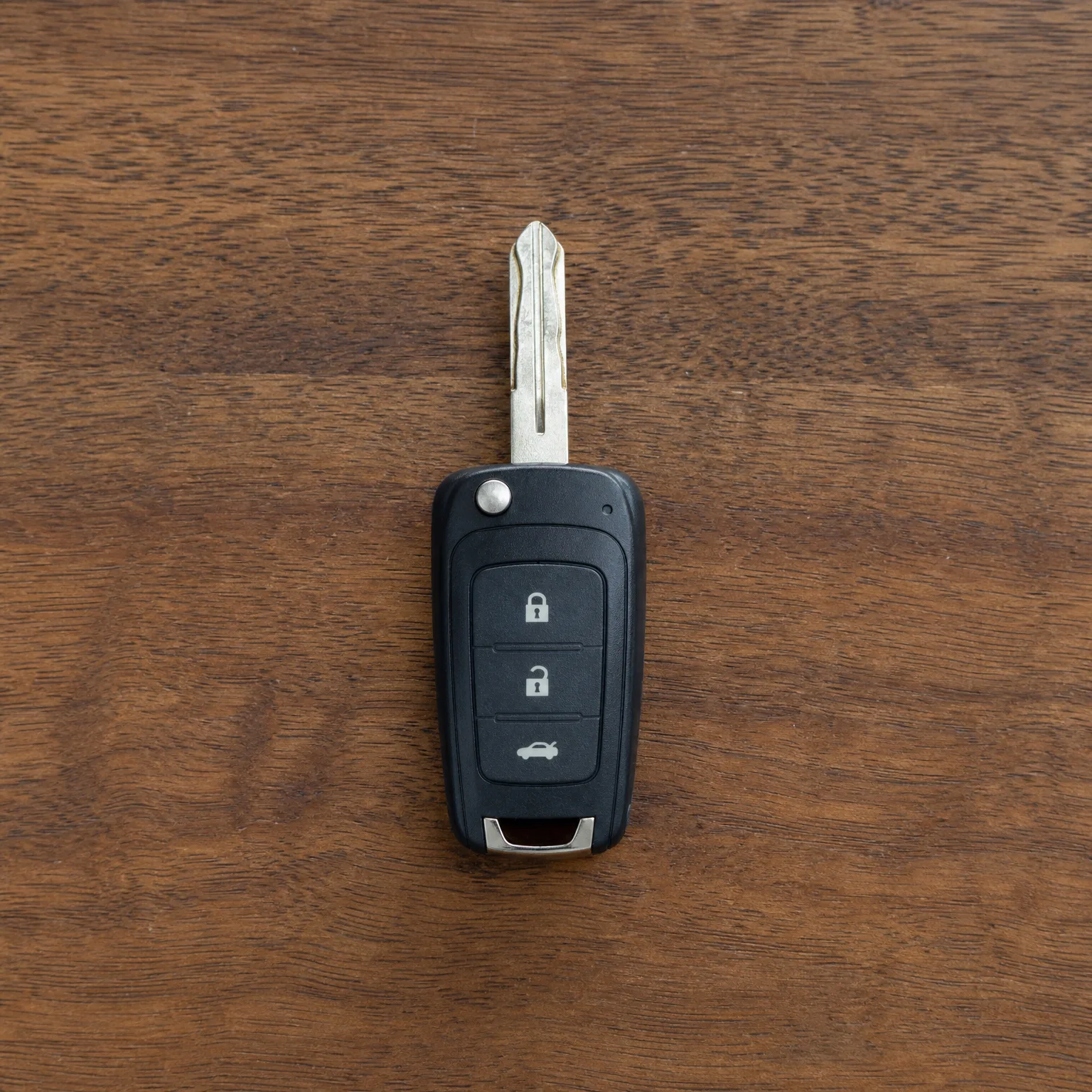
A driver with a tight home garage decides to add them
A driver in their 80s had been pulling into a narrow attached garage for years, judging the distance to a support post by eye. Lately she'd started second-guessing herself, tapping the brakes earlier than needed and sometimes stopping short of fully closing the garage door. She wasn't having accidents, but the uncertainty was making a daily task more stressful than it used to be.
She talked to a local shop about adding front sensors, since her car didn't come with them. They installed a simple system with a dashboard tone that got faster as she got closer to the post. The cost was modest and the install took less than a day. Afterward, she said the garage no longer felt like a guessing game. She still looked over her shoulder and checked her mirrors the same as always, but now she had one more piece of information confirming what her eyes were already telling her. For her specific situation, a tight daily parking spot, a car without sensors already, and a maneuver she did every day, it was a clear and practical upgrade.
With that decision made, compare quotes to see how your coverage and options line up.
Do front parking sensors affect my car insurance rate?
Usually not by much, and not automatically. Front parking sensors are a convenience and safety feature, but insurers price policies mainly around your driving record, the car's overall safety and claims history, and your coverage choices. A sensor system alone rarely moves the needle the way something like anti-theft equipment or a strong safety rating might.
That said, treatment varies by insurer and by state, so it's worth asking directly rather than assuming either way. Some insurers do factor in certain safety features during underwriting, especially if they're factory installed and documented on the vehicle. If you're adding sensors aftermarket, ask your insurer whether it needs to be reported or whether it has any bearing on your policy at all, so you're not guessing.
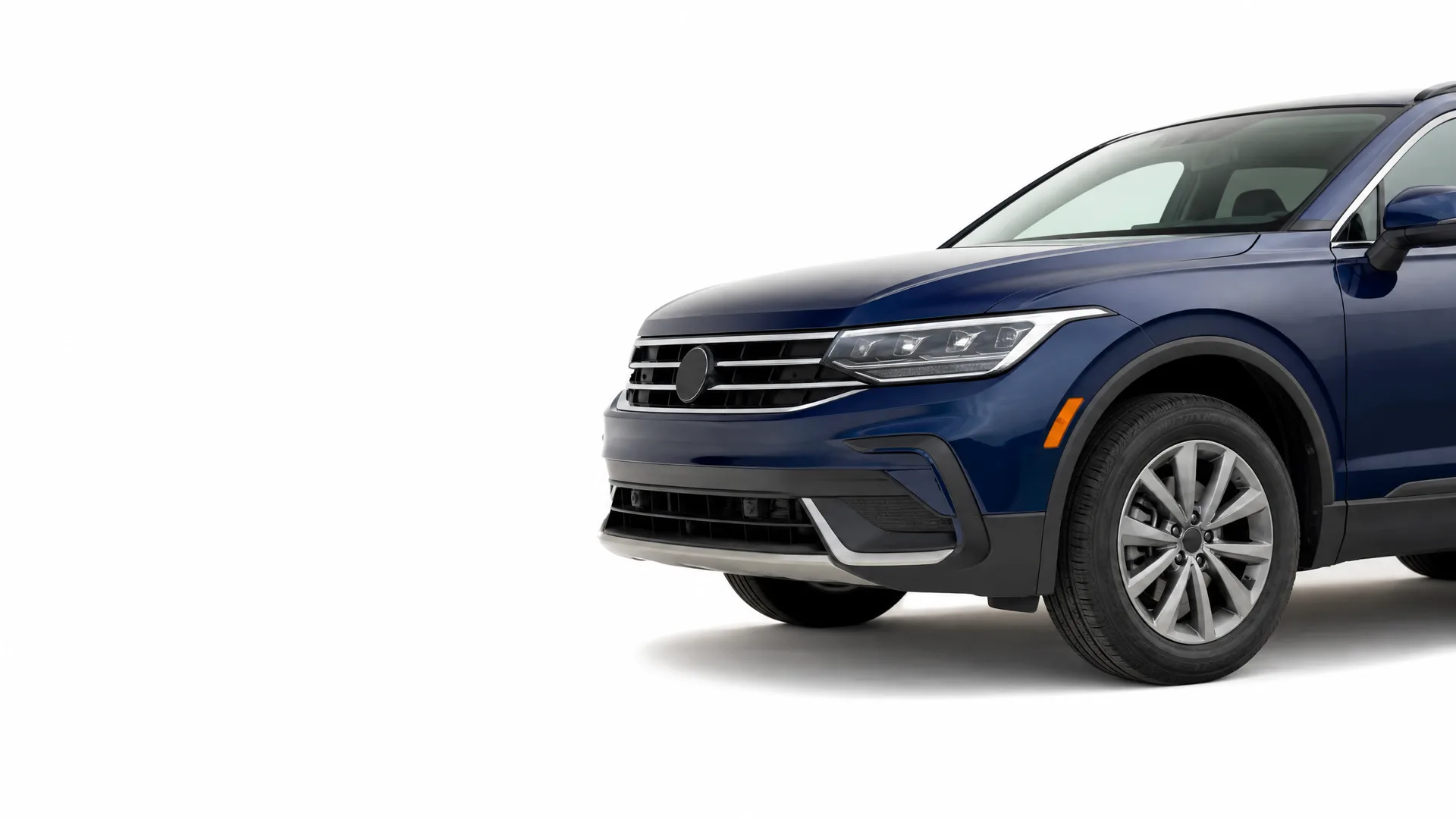
Sensors help with distance in tight spots, but they don't replace checking your surroundings before you move.
Are front sensors better than a backup camera?
They solve different problems, so it's not really either-or. A backup camera shows you what's behind the car visually, which helps with backing out or reversing into a spot. Front sensors give you a sound or signal for distance at the front, where there's often no camera at all. If you only choose one, think about which blind spot causes you more trouble, front or rear, and check what your vehicle already has before adding either.
Can front parking sensors be added to any car?
Most cars can have aftermarket sensors added, but fit and cost depend on the vehicle. Some bumpers are harder to drill or wire cleanly, and some newer cars have sensor systems built into the bumper design already, which changes installation. Ask a shop that works with your specific make and model, since they'll know what's been done before and what it typically costs for that car.
Do front sensors go off too easily for everyday use?
They can, especially in tight street parking with cars close on both sides, and most systems let you adjust sensitivity or mute them temporarily. If a system beeps constantly in normal traffic or at harmless objects like curbs, that's usually a sign it needs recalibrating or that the sensitivity setting is too high rather than a sign the sensors themselves are a bad fit for you.