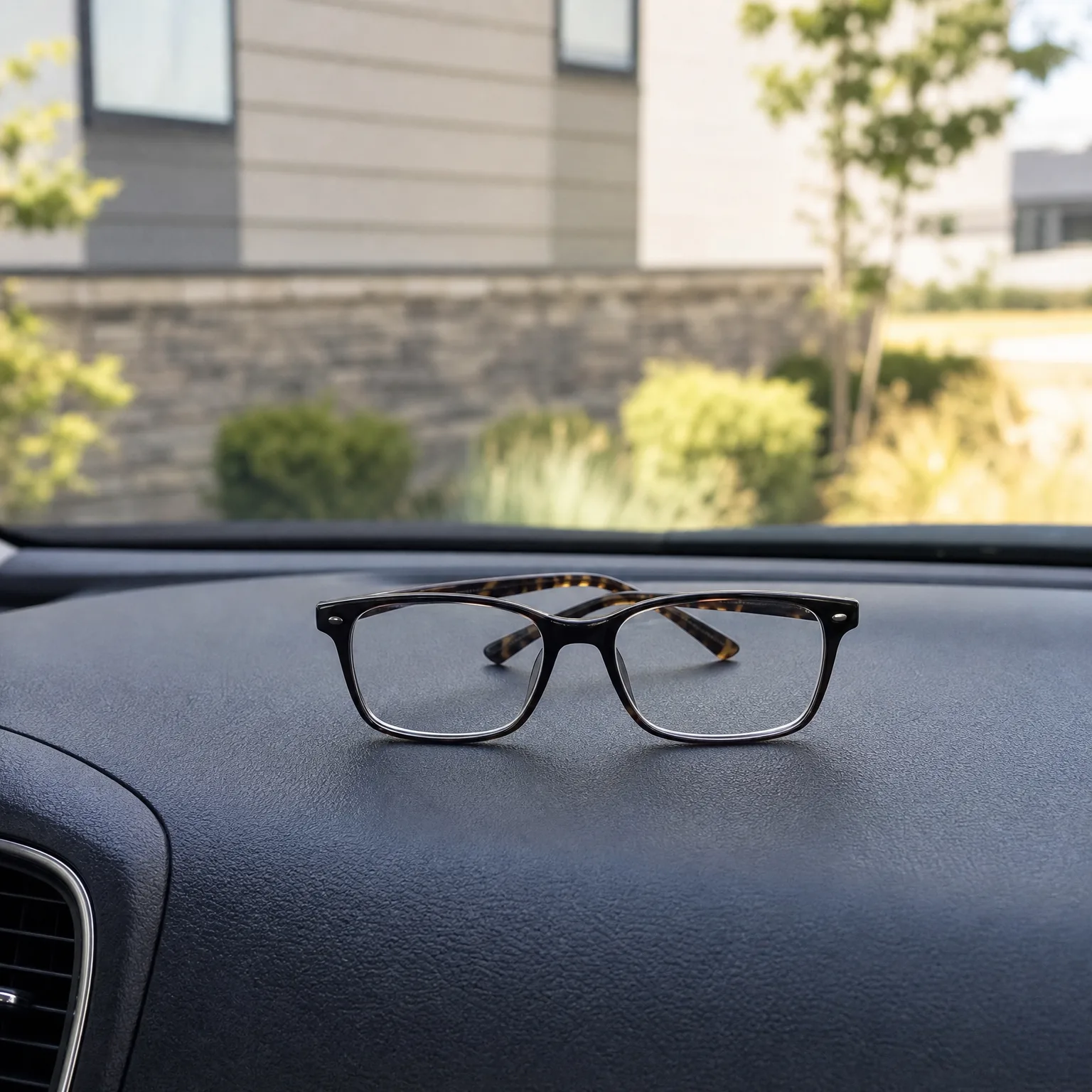
Keeping Your Independence Behind the Wheel
You keep your independence by proving, year after year, that you're still driving well, and by choosing coverage that rewards that.
Age alone doesn't take your license or your coverage away
Insurers don't price your policy on age by itself. They price it on risk, and age is one rough signal among many, like how often you drive, what you drive, and your claims history. The reason renewals creep up in your late 70s and 80s is that insurers see, on average, more claims in that age group, mostly from slower reaction times and more fragile outcomes in a crash. That's a statistical average, not a verdict on you.
This is why what you do matters more than how old you are. A clean recent driving record, a defensive driving course, fewer miles driven, or a car with strong safety features can all push back against that average. Insurers look for current evidence of safe driving, not just your age on file.
License renewal works on a similar logic but through a different system. Some states require vision tests, in-person renewal, or shorter renewal cycles once you reach a certain age, and some don't change anything at all. This varies a lot by state, so check your state's motor vehicle agency directly rather than assuming the rules you've heard about from someone else's state apply to you.
Where this plays out differently is health. A specific medical condition, not age itself, is what can affect either your license or your coverage. If your health changes, insurers and license agencies care about documented ability to drive safely, not the number of years you've lived. That's a separate conversation from the one about getting older.

When a renewal jump made one driver ask why
A driver in her early 80s, driving the same routes she'd driven for decades, errands, church, her grandkids' school pickups, saw her premium rise sharply at renewal with no accidents or tickets on her record. She called her insurer and asked directly what changed. The answer was that her age bracket had shifted, which the insurer uses as one factor among several, not a judgment on her specifically.
She asked what she could do about it. She completed a defensive driving course accepted in her state, reported her actual annual mileage since she'd cut back on long drives, and asked about every discount tied to safe driving history rather than age. Her next renewal came in lower than the one that had alarmed her. She kept driving exactly as she had been, she just made her safe driving visible to the insurer instead of assuming they already knew.

Compare quotes now and find the insurer that actually rewards the safe driver you already are.
What actually keeps you driving and keeps costs down
- Take a driving course Many states have defensive driving courses that insurers recognize with a discount. Ask your insurer which courses they accept before you pay for one.
- Report your real mileage If you drive less than you used to, your insurer may not know unless you tell them. Call and update your estimated annual mileage, it can lower your rate.
- Check your state's renewal rules Some states require vision tests or in-person renewal past a certain age, others don't. Look up your state's motor vehicle agency site directly so you know what's actually required of you.
- Ask about discounts Discounts tied to clean records, low mileage, or safety equipment don't disappear with age. Ask your insurer to list every discount you qualify for, not just the ones they mention first.
- Keep your records current If your vision, hearing, or any health condition changes, get it documented and addressed. Current medical clearance protects your license and your coverage far more than your birth date does.
Your price and your license depend on what you can show about your driving now, not your birth date.
Will my car insurance drop my coverage because of my age?
No, insurers generally don't cancel coverage for age alone. They may raise your premium at renewal based on risk factors tied to age statistics, but dropping coverage usually requires a specific trigger like a lapse in payment, a serious violation, or a license suspension. If you're worried about cancellation, call your insurer and ask directly what would trigger it. Rules on cancellation also vary by state, so check your state's insurance department if you want the specifics that apply to you.
Can a doctor report me to the DMV if they think I shouldn't drive?
In some states, yes, doctors can or must report certain medical conditions that affect driving ability, while other states leave that reporting voluntary or don't require it at all. This varies significantly by state, so check your state's motor vehicle agency for its specific reporting rules. What's consistent everywhere is that a medical report usually triggers a review, not an automatic loss of license, and you typically get a chance to demonstrate your ability to drive safely.
What happens if I fail a vision or driving test at renewal?
It depends on your state and how you did, failing doesn't always mean an automatic loss of license. Some states offer restricted licenses, like daytime-only or local-area-only driving, instead of a full revocation. Others may require corrective lenses or a retest after a set period. Check your state's specific process before the test so you know your options ahead of time rather than finding out after.