My Rear Cross Traffic Alert Is Turned Off What Should I Do
Turn it back on if you can, since the alert helps you most in the exact situations where backing up is hardest to judge.
The alert exists for the blind spot your mirrors can't cover
Rear cross traffic alert watches for vehicles approaching from the side as you back out, which is exactly the angle your mirrors and rear camera don't show well. It gets switched off sometimes by accident, sometimes during a dealer service visit, and sometimes because a previous driver found the warning sound annoying in a crowded parking lot. Whatever the reason, once it's off it stays off until someone turns it back on through the vehicle's settings menu.
This feature doesn't affect your insurance rate by itself. Insurers that ask about safety features usually ask what the car came equipped with, not whether every system is currently switched on day to day. So turning it back on won't lower a premium and leaving it off won't raise one directly.
Where it matters is the actual moment of backing out of a space. The alert is built for parking lots and driveways with limited sightlines, where a car or a cyclist can appear from the side faster than you'd expect. Without it, you're relying entirely on your own glance over the shoulder and whatever the rear camera shows straight behind you, which has a narrower field of view than the alert system covers.
The setting is usually easy to restore. Check your vehicle's driver assistance or safety menu, since most models let you toggle it back on in a minute or two. If you can't find it, your owner's manual or a quick call to the dealer's service department will tell you exactly where it lives for your specific model, since the menu layout varies by manufacturer and sometimes by model year.
Will turning the alert back on affect my insurance premium?
No, not directly. Insurers generally price based on what safety equipment your vehicle came with from the factory, not on whether each feature is switched on at any given moment. A car with rear cross traffic alert built in keeps whatever classification it earned for that equipment whether the feature is active today or not.
Where it could matter indirectly is if the alert being off contributes to a backing-up accident and a claim. A claim on your record affects future premiums regardless of why the accident happened, so the stronger reason to turn it back on is avoiding that situation entirely, not managing your rate.
This is a safety setting, not an insurance one, and that's what should decide what you do next.
Once your alert is back on and your coverage reflects a safe, well-equipped driver, it's a good time to compare quotes.
What to do about the alert being off
- Check the settings menu first Most vehicles let you switch this back on in the driver assistance menu. Look there before assuming anything is broken.
- Recheck after service visits Dealer service can reset settings without telling you. Make it a habit to check this alert and other safety features after any shop visit.
- Don't expect a rate change Insurers price based on what the car came with, not day-to-day settings. Turning it on or off won't move your premium by itself.
- Rely on your own check too The alert helps but doesn't replace looking over your shoulder before backing out. Keep doing both even once it's restored.
- Ask the dealer if you're stuck If the menu isn't clear, a quick call to service will walk you through it for your exact model. This takes only a few minutes.
A trip to the grocery store parking lot
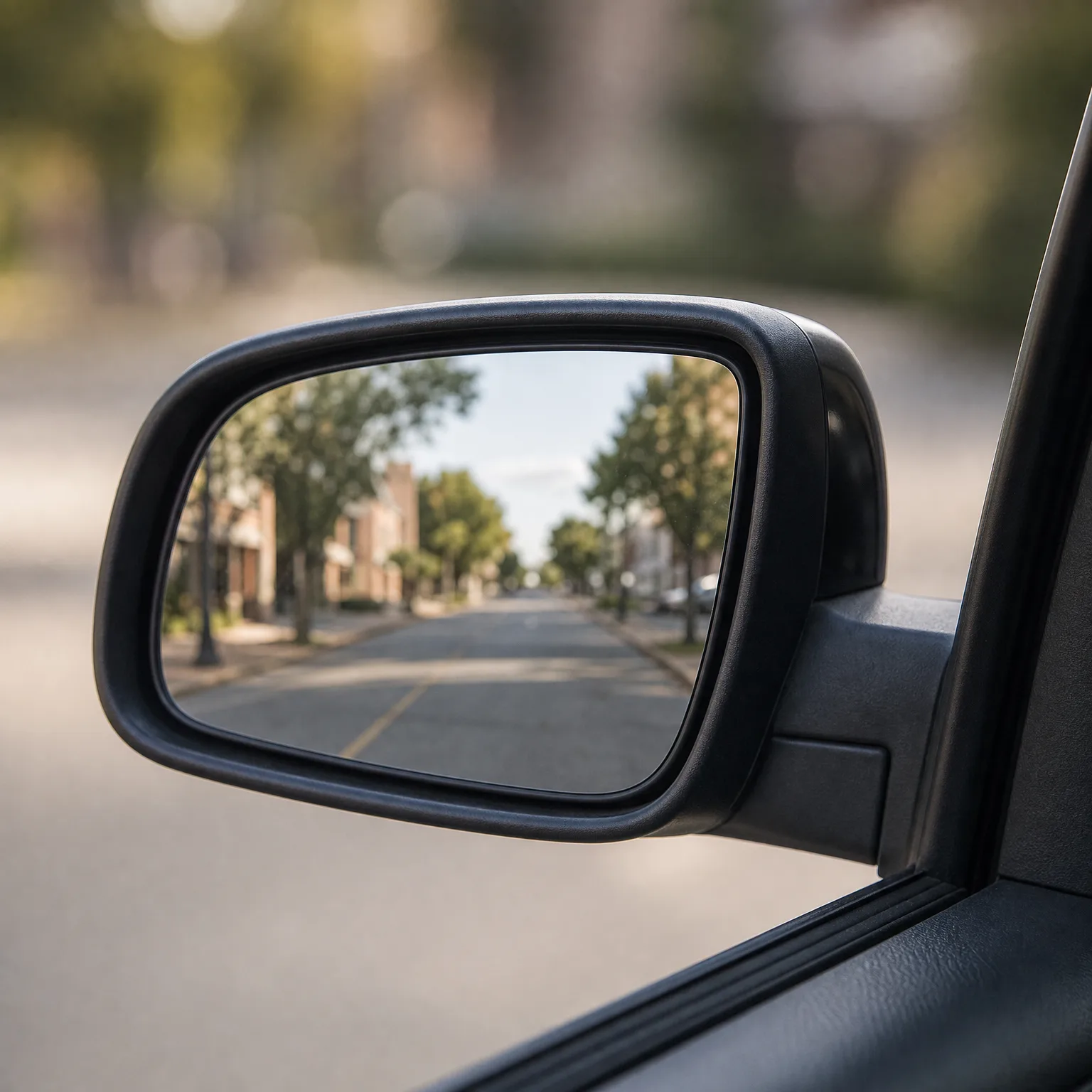
You back out of a space at a busy grocery store the way you always have, checking your mirrors and glancing over your shoulder. A car backing out two spaces down catches you off guard because the angle made it hard to see until it was already moving. Nothing happens, but it's close enough that you think about it the rest of the day.
That evening you check the vehicle's settings menu and find the rear cross traffic alert switched off, something you don't remember doing. You turn it back on and test it in your driveway by having a family member walk behind the car a few feet to the side, just to confirm it beeps the way it used to. The next time you're in a crowded lot, the alert sounds as a car approaches from the side, giving you an extra second you didn't have before. It doesn't replace your own judgment, but it backs it up exactly when you need it most.