
Should I Accept the First Car Insurance Claim Offer
No, not until you've checked that the first offer covers what the damage or your injuries will actually cost.
The first offer is a starting point, not a final word
An insurer's first offer usually reflects the lowest reasonable number they can justify, not the highest. Adjusters are trained to settle quickly and close files, and a fast offer often arrives before the full extent of vehicle damage or injury is clear. That doesn't mean the offer is dishonest. It means it was built early, with incomplete information, and you're allowed to ask for it to be revisited.
For vehicle damage, the real cost often isn't visible until a shop opens the car up and finds hidden damage behind a bumper or under a panel. For injuries, some pain or limited mobility doesn't show up for days, and medical bills can keep arriving after you've already said yes to a number. Accepting too early can mean you're the one who absorbs those later costs.
This is also where state rules and policy language matter. Some states give you a window to reconsider a settlement, others don't, and some insurance contracts spell out how disputes over a claim amount get resolved. Check your policy documents and your state's insurance department for what applies to you, since this is one of the clearest places where the answer isn't universal.
There are times accepting right away makes sense, like minor damage with a clear repair estimate in hand, or a claim where you've already gotten your own medical evaluation and the offer matches it. The difference is whether you have enough information to know the offer is fair, not whether the offer came quickly.
A fender bender where the first number left out hidden damage
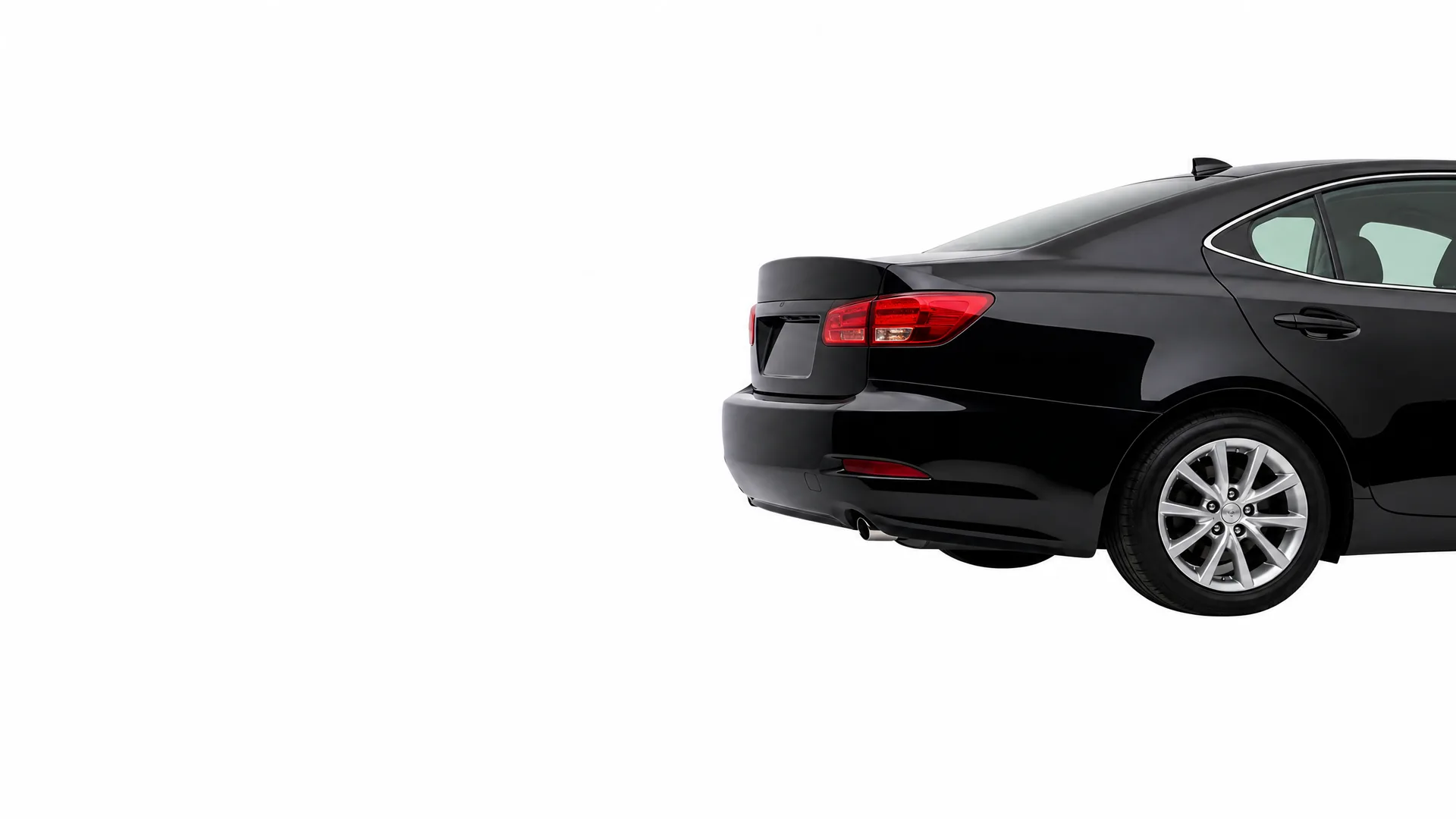
A driver in their early 80s was rear ended at low speed in a parking lot. The other driver's insurer called within two days with an offer to cover a new bumper and taillight, and asked for a quick yes so they could close the file. The damage looked minor from the outside, so the offer seemed reasonable at first glance.
Instead of accepting immediately, the driver took the car to a body shop for an independent estimate before responding. The shop found that the impact had also bent part of the frame near the bumper mount, damage that wasn't visible without removing the panel. The driver brought that estimate back to the insurer, who revised the offer to include the frame repair. The whole process took about a week longer than accepting on the spot would have, but it meant the driver didn't pay out of pocket for repair work the other driver's insurance was responsible for.
A quick offer is a negotiating opening, not a verdict, and asking for time doesn't put your claim at risk.
Once you know what a fair settlement looks like, compare quotes to make sure your own coverage holds up too.

Whether you accept the first offer right away
If you do
You get paid faster and the claim closes, which is simpler if the damage is minor and clearly estimated. But once you accept, you typically can't go back later if repair costs turn out higher or if an injury takes longer to heal than expected.
If you don't
You take a bit more time, usually getting an independent repair estimate or a medical evaluation first. This can mean a slightly longer wait for payment, but it protects you from being stuck covering costs the first offer didn't account for.
What to check before you say yes to a claim offer
- Get your own repair estimate Have an independent shop look at the car before agreeing to a number. Hidden damage behind panels or in the frame often isn't part of a first estimate.
- Wait on injury claims Don't settle an injury claim until you've seen a doctor and understand the full extent of it. Some pain and limited mobility take days to appear.
- Ask what the offer excludes Request an itemized breakdown of what the offer covers. Rental car costs, towing, or diminished value are sometimes left out.
- Check your state's rules Some states allow a window to revisit a signed settlement, others don't. Look at your state insurance department's guidance before signing anything.
- Put your counter in writing If the offer is too low, respond in writing with your own documentation attached. A written record protects you if the claim is disputed later.