
Should I File an Insurance Claim for Bumper Damage
File only if the repair costs more than your premium is likely to rise over the next few years combined.
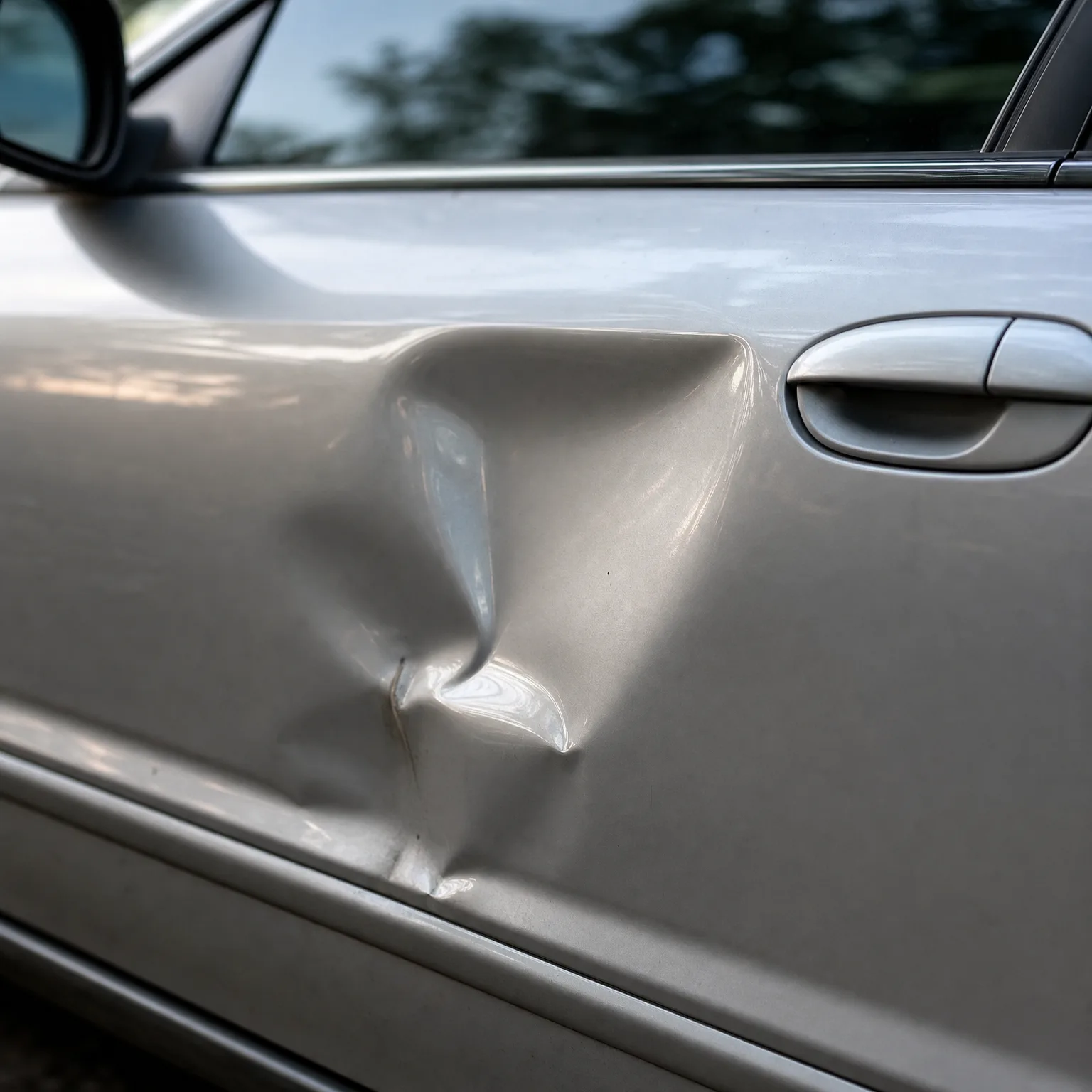
A cracked bumper in a parking lot
A driver backing out of a grocery store space found a long crack and a scrape across the bumper when they came out with their cart. No one left a note. The damage looked bad but the bumper itself was still attached and the car drove fine. They got a repair shop estimate before calling anyone.
The estimate came back for an amount close to what a few months of premium payments would cost. They checked their policy for the deductible and found it would take most of the payout anyway, leaving very little help from the insurer. They paid for the repair themselves, kept the receipt and the estimate in case the same bumper was ever damaged again, and never reported the claim at all.
Will my rate go up even if I don't file a claim?
No. Your rate is tied to claims you actually file, not to damage that exists on your car. If you pay for the bumper repair yourself and never report it to your insurer, there is no claim on your record and nothing for a future insurer to see either.
The only exception is if the damage came from an accident involving another driver or a police report, since that information can surface separately through public records or the other driver's insurer. A single-car bumper scrape with no other party involved almost never shows up anywhere unless you report it yourself.

Deciding whether to report the bumper damage
If you do
You pay your deductible, then the insurer covers the rest of the repair. The damage goes on your claims history, which insurers see for several years. If the repair cost is high and the deductible is low, this can still save you money despite any rate increase.
If you don't
You pay the full repair cost yourself, with nothing going on your record. Your future premiums stay on the same path they were already on. This works best when the repair is cheap enough that the deductible would have eaten most or all of the payout anyway.
Once you know whether this damage is worth filing, compare quotes to see how either choice fits your rate ahead.
Why the math usually favors paying it yourself
Insurance is built to cover damage that would be hard for you to absorb on your own, not every scratch and dent that happens over years of driving. A claim triggers a deductible first, and only the amount above that deductible comes from the insurer. For minor bumper damage, that remaining amount is often small, sometimes smaller than what the claim will cost you in higher premiums over the next several years.
Insurers price risk based on your claims history because a filed claim tells them something about how likely you are to file again. Even a small claim adds to that picture. This is why a single claim can raise your premium by an amount that, added up over multiple renewal periods, exceeds what the claim actually paid out.
The calculation changes when the damage is severe enough that the repair cost far exceeds your deductible by a wide margin. In that case the insurer is covering most of the expense and the math tips back in favor of filing, even with a future premium increase factored in. It also changes if another driver caused the damage, since their insurer should be the one paying regardless of what happens to your own rate.
What varies by insurer is exactly how much a given claim raises your rate and for how long it stays on your record. Some insurers forgive a first small claim entirely, others weigh recent claims more heavily than older ones. Check your policy documents or ask your insurer directly how they handle a claim of this size before you decide.

How much will my insurance go up if I file a bumper claim?
It depends on your insurer, your claims history, and the size of the claim, so there is no fixed answer. Insurers that have not seen a claim from you in several years tend to raise rates less than they would for someone with a recent claim already on file. Ask your insurer how they calculate claim surcharges and for how long they apply, since this varies by company and sometimes by state.
Can I get a repair estimate before deciding to file a claim?
Yes, and doing this first is what lets you make the decision with real numbers instead of guessing. Most repair shops will give you a written estimate for free or for a small fee, and having it in hand lets you compare the repair cost directly against your deductible. Get more than one estimate if the damage looks significant, since repair costs can vary noticeably between shops.
Does a small claim affect my insurance if I switch companies later?
Yes, claims history generally follows you when you switch insurers, since new companies can access your claims record as part of underwriting. How much weight they give an old small claim varies by insurer and by how much time has passed. Ask a new insurer directly how far back they look and whether a single minor claim would affect the quote they offer you.