Should You Submit Dashcam Footage to Insurance
Yes, submit it when the footage backs up your account of what happened, because clear evidence almost always works in your favor.
A left-turn accident with a clear dashcam angle
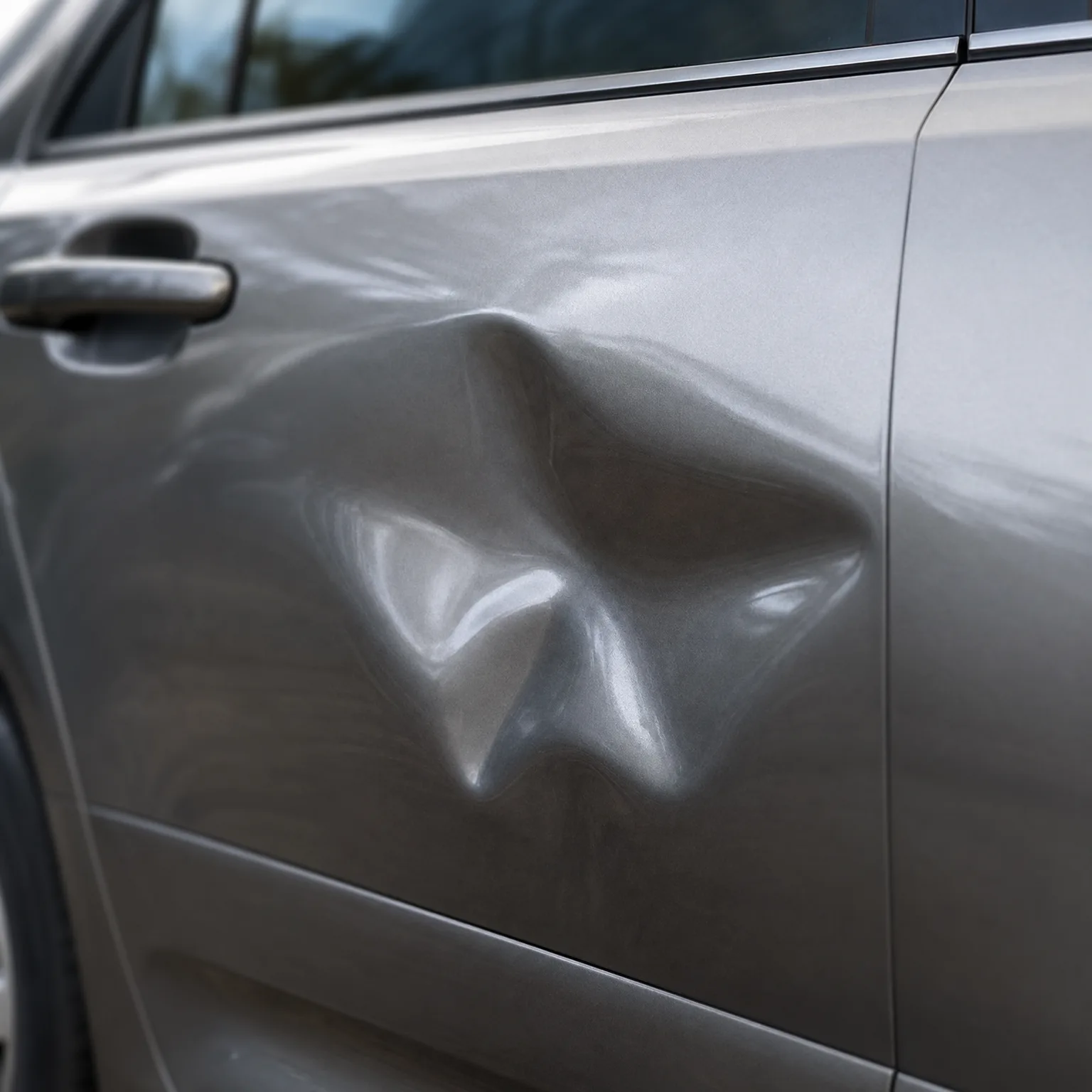
You were stopped at a light when another driver made a left turn across your lane and clipped your front bumper. The other driver told the responding officer you had been speeding, which was not true. You had a dashcam running, so you pulled the clip that night and saved it to your phone before anything got overwritten.
When you filed your claim, you offered the footage to your insurer along with your statement. The adjuster watched it, saw your speed and position matched your account, and the other driver's insurer accepted fault within days instead of dragging out a dispute. You paid your deductible and got it back once liability was settled. The footage didn't change what happened, but it meant nobody had to take your word against his.

The short version
Submit dashcam footage when it clearly supports your account of an accident, because it removes doubt and speeds up fault decisions. Watch the clip yourself first to confirm it helps rather than complicates your story. Then send it to your insurer with your claim, not before.
Can dashcam footage ever be used against you instead of for you?
Yes, if the footage shows you did something that contributed to the accident, like following too closely or reacting late, it can work against you. Insurers and adjusters look at footage objectively, not just for what supports your claim.
This is why watching your own footage before submitting it matters so much. If the clip shows something unflattering, you don't have to hide it, since insurers can sometimes request it through the claims process anyway, but you should understand what you're sending and be ready to explain it. In most everyday accidents, footage still helps more than it hurts, because it usually confirms what any honest witness would say.
Now that you know how footage fits into a claim, compare quotes from insurers who handle evidence the way you'd want.
How to handle dashcam footage the right way
- Watch it before sending Review the full clip yourself first. Make sure it actually supports your account before you hand it over.
- Save it immediately Dashcams often overwrite old footage automatically. Copy the file to your phone or computer the same day.
- Send it with your claim Attach the footage when you file, not after. Early submission helps the adjuster move faster.
- Keep the original file Don't just send a screen recording of your dashcam screen. Save the original video file so quality and timestamps stay intact.
- Ask your insurer how it's used Policies vary on whether footage affects your rates directly. Ask your agent how submitted video factors into their claims process.
Why footage changes how claims get resolved
Most accident claims come down to two drivers describing the same moment differently. Without outside evidence, insurers have to weigh each account, talk to witnesses if there are any, and sometimes split liability when the story isn't clear. Dashcam footage removes that guesswork. It shows speed, position, signals, and timing in a way memory and description can't.
This is especially useful in disputes over fault, like left turns, rear-end collisions, or lane changes, where both drivers often believe they had the right of way. An adjuster who can watch the moment itself doesn't need to rely on competing statements. That usually means faster decisions and less back and forth between insurers.
Where this plays out differently is when the footage is ambiguous or incomplete. A camera angle that misses the other vehicle, or a clip that starts just after the impact, doesn't give an adjuster much to work with, and may even raise more questions than it answers. In those cases, footage still won't hurt you, but it also won't do the work you hoped it would.
How footage is used afterward can vary by insurer. Some will factor it into fraud prevention or safe driving programs, and some treat it strictly as claims evidence with no bearing on your policy otherwise. Ask your agent directly how your insurer handles submitted video so you know what to expect.
Does a dashcam lower my insurance rates?
Not directly in most cases, since simply owning a dashcam usually doesn't change your premium. Some insurers offer programs that reward verified safe driving footage or data, so check with your agent whether yours does. The bigger benefit is usually in claims, where footage can speed up fault decisions and protect you from disputed accounts, which indirectly protects your rating history over time.
Can my insurer require me to hand over dashcam footage?
Yes, if you file a claim, your insurer can request any footage relevant to the accident as part of their investigation. This is standard practice, similar to requesting photos or repair estimates. What varies is how insistent they are and what happens if you decline, so ask your agent what your policy says about cooperating with claims investigations before an accident ever happens.
What happens if my dashcam footage contradicts the police report?
The footage usually carries more weight, since video evidence is harder to dispute than a verbal account taken after the fact. Officers write reports based on statements and observations, which can be incomplete. If your footage clearly contradicts the report, share it with your insurer and ask how it affects the claim, since this can lead to a fault correction depending on how clear the footage is.