What Are Adaptive Headlights
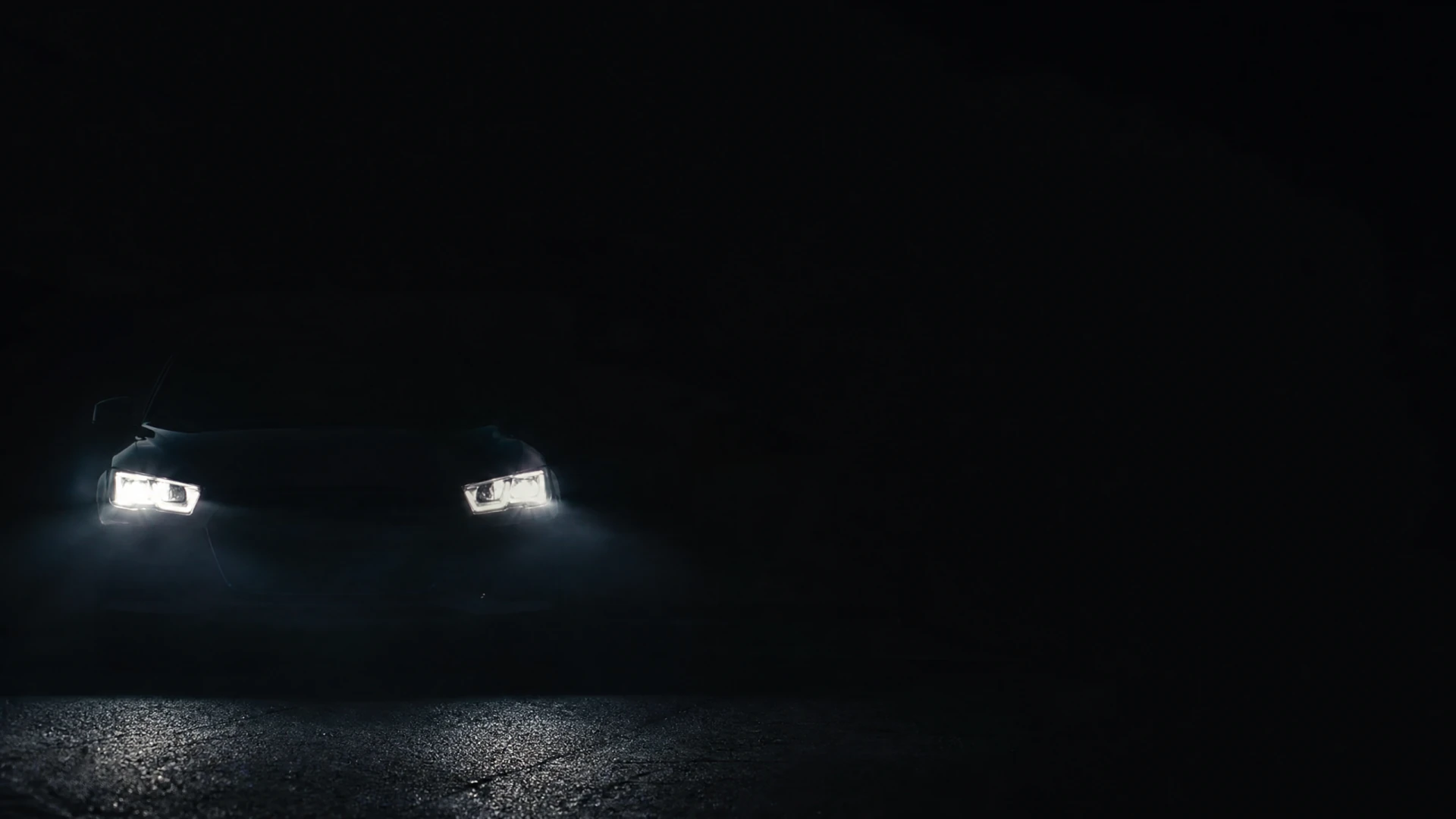
Adaptive headlights pivot with your steering so the road ahead stays lit on turns, and some insurers reward that with a discount.
Why these lights can change your rate and your night drives
Adaptive headlights exist because standard headlights point straight ahead no matter which way the car is going. On a curve or a turn, that leaves the edge of the road dark right when you need to see it. Adaptive systems use the car's steering angle and sometimes its speed to swing the beam toward where you're actually headed, so the light follows the road instead of the hood ornament.
Insurers care about this because nighttime turns and curves are where a lot of older-driver incidents happen, not because of fault but because of reduced visibility meeting a sudden need to react. A feature that gives you more warning and more light earlier means less last-second steering or braking. That lowers risk on paper, and insurers price risk.
Whether it actually lowers your premium depends on the insurer and sometimes the state. Some build it into a broader safety-equipment discount alongside things like automatic emergency braking. Others don't single it out at all and fold it into how they rate the car's overall safety record. You won't know which applies to you until you ask directly or look at your declarations page.
It also matters whether the system came standard on your car or was a dealer add-on, since insurers rate the vehicle, not the option packages a previous owner chose. If you're shopping for a different car, checking whether adaptive headlights are standard on a trim you like is worth doing before you assume the discount applies.
The short version
Adaptive headlights turn with the car so curves and turns stay lit, which can lower your risk and sometimes your premium. Whether it counts for a discount depends on your insurer, so ask them directly or check your declarations page. If your car has them, make sure your insurer knows.

What to actually check before you assume it helps your rate
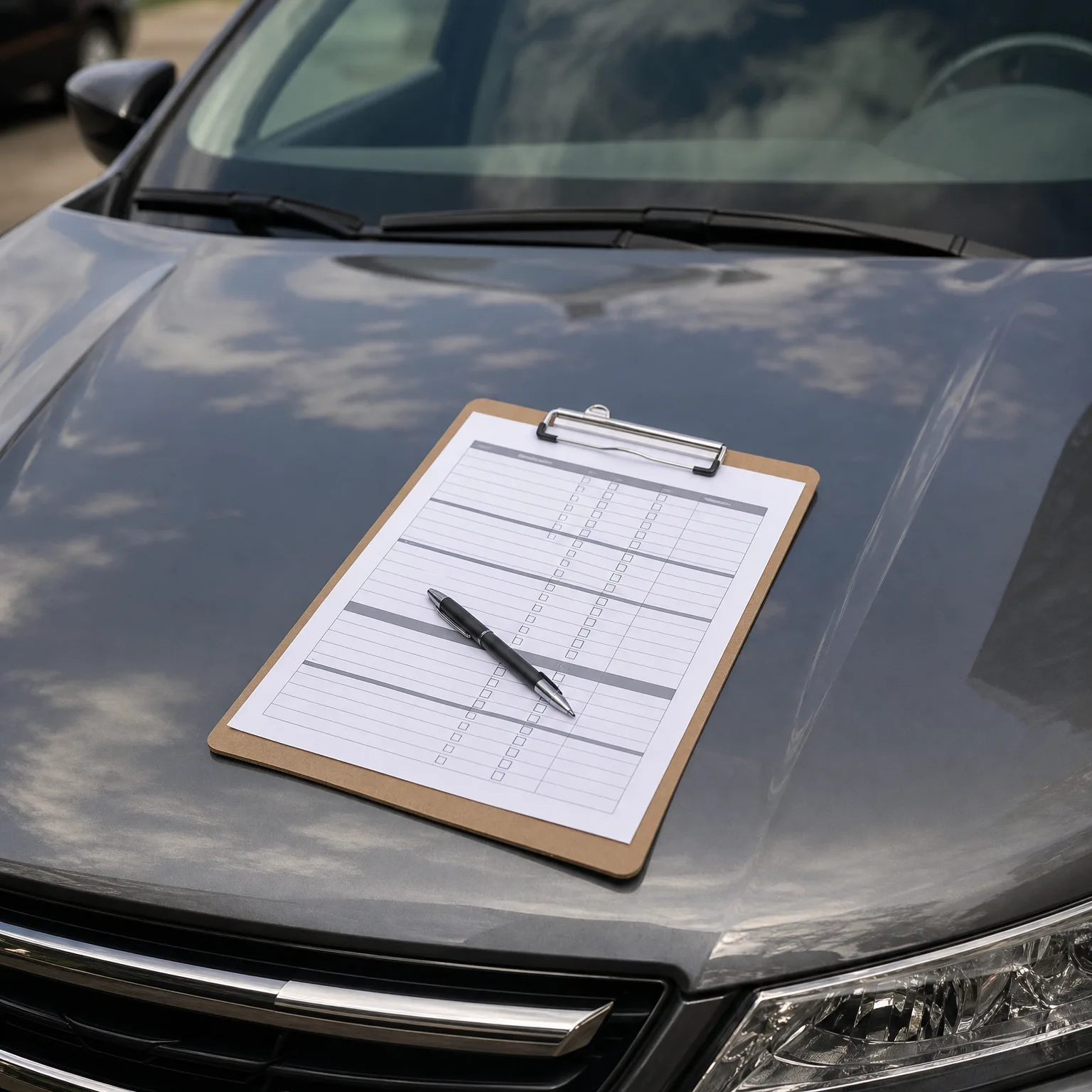
- Confirm the car has it Check your owner's manual or window sticker, since the feature isn't always obvious by name. Some automakers call it something else entirely.
- Ask your insurer directly Not every insurer discounts this feature specifically. Call and ask if adaptive or steering-responsive headlights qualify for anything on your policy.
- Check your declarations page If a discount applies, it should show up as a line item. If you don't see it and you have the feature, ask why.
- Don't confuse it with high beams Adaptive headlights are about direction, not brightness. Automatic high-beam dimming is a separate feature and may be rated separately.
- Mention it when you shop quotes Some insurers ask about safety features upfront, others don't ask at all. Bring it up yourself so it isn't missed.
Now you know what to ask, so compare quotes to find an insurer that credits you for the feature.
A driver who found the feature but not the discount
A driver in her early 80s had a car with adaptive headlights that came standard on her trim level, something she hadn't thought much about beyond noticing her night driving on winding roads felt easier. When her renewal came in higher than the year before, she pulled her declarations page looking for anything that might offset it and didn't see any mention of headlights or safety features at all.
She called her insurer and asked directly whether the feature qualified for anything. It turned out her insurer did offer a safety-equipment discount, but it required her to confirm the feature in writing since it hadn't been noted when her policy was last updated. She sent a copy of her owner's manual page showing the feature, and the discount was applied going forward. It didn't erase the increase, but it brought her premium down enough that she felt better about staying with the same insurer rather than shopping from scratch.

Will this lower my rate if my insurer never asks about it?
Not automatically. Insurers rate your policy based on what they know about your car, and if a feature isn't on file, it isn't being credited no matter how useful it is on the road. Many insurers rely on standard vehicle data that doesn't always capture every trim-level feature, especially on older model years.
That means the responsibility often falls on you to raise it. If you believe your car has adaptive headlights, say so when you get a quote or when you renew, and ask what documentation they need. Some will take your word paired with a VIN lookup, others want the owner's manual or a window sticker. Either way, silence usually means no credit, so asking costs you nothing and might lower what you pay.