What Are Considered Local Roads
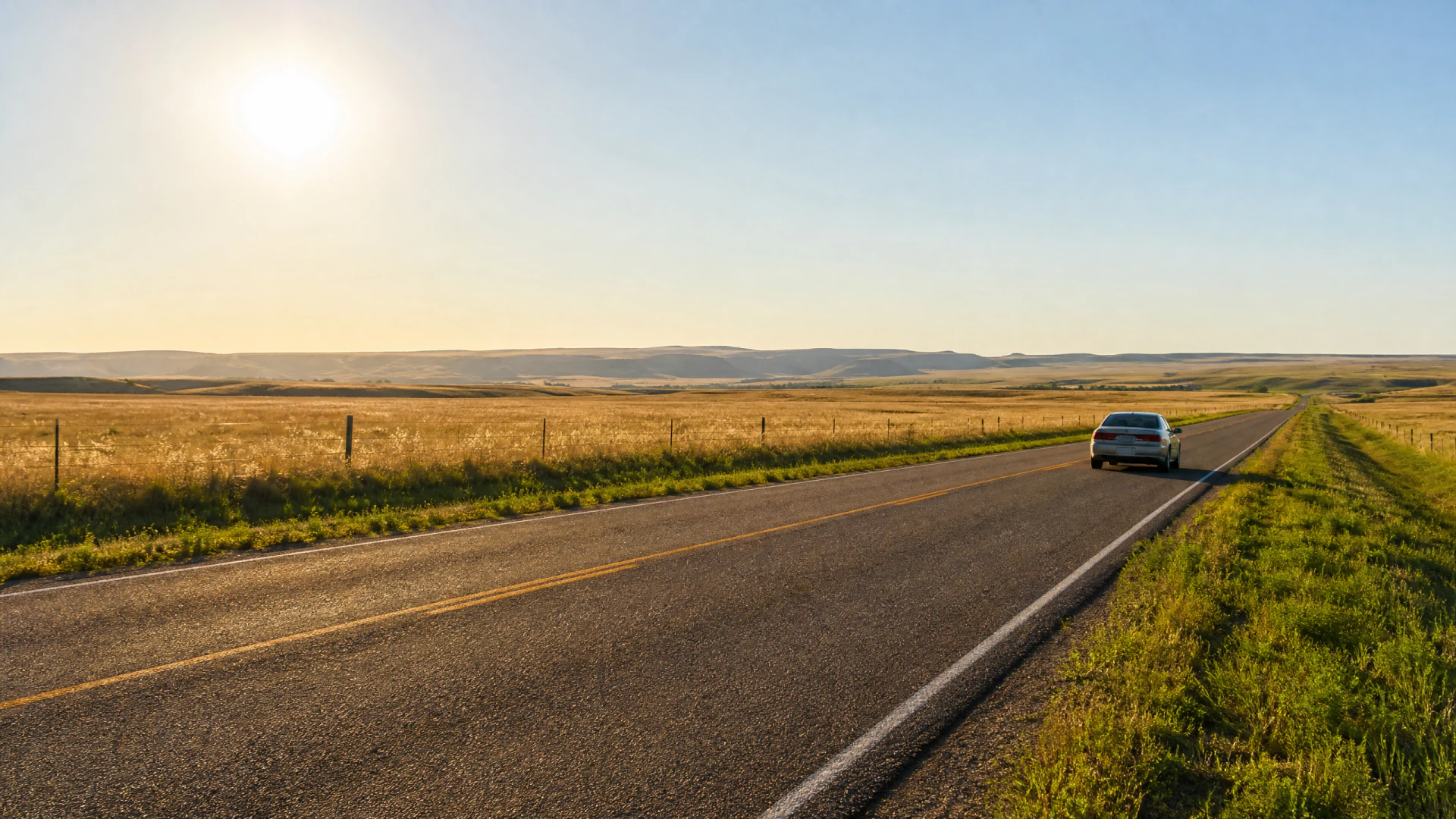
Local roads are the low speed streets near your home, like neighborhood blocks and town streets, as opposed to highways and major arterials.
How to tell a local road from everything else
- Lower posted speed Local roads usually carry the lowest speed limits in your area, often well under highway speed. Check the posted sign if you're unsure what category a street falls into.
- Residential or town streets These are the roads that connect houses, businesses, and neighborhoods rather than connecting cities. If you're driving to a neighbor's house or the corner store, you're likely on one.
- No through traffic design Local roads are built to serve the area they pass through, not to move traffic quickly from one place to another. Cul de sacs and short connector streets are classic examples.
- Fewer lanes, more stops Expect single lanes each direction, frequent stop signs, and more pedestrians. This is different from the multi lane, limited access design of highways.
- State definitions vary slightly Some states classify roads by function, others by ownership or maintenance responsibility. Check your state transportation department's road classification system if you need the exact legal definition.
A driver checks her route before a license renewal review
Martha was preparing for a license renewal that included a road test. She wanted to know which streets near her house counted as local roads, since her son mentioned the test might focus more on local driving than highway merging. She looked up her town's road classification map and found that nearly every street in her neighborhood was marked as local, meaning lower speeds, stop signs, and short blocks rather than long stretches of open road.
Knowing this changed how she practiced. Instead of worrying about highway merging, which she rarely did anyway, she spent her practice time on turns, stop sign etiquette, and reading cross traffic at four way intersections, the actual skills a local road test would check. When the test came, it covered exactly that kind of driving. She passed comfortably, in part because she'd aimed her preparation at the roads she actually understood and used every day.

Knowing most of your driving is local lets you prepare and insure yourself for the driving you actually do.
Compare quotes now that you know how your everyday local driving shapes your coverage and your risk profile.

Should you tell your insurer your driving is mostly local
If you do
Your insurer may adjust your rate based on lower mileage and lower speed driving patterns, since local roads generally carry less severe crash risk than highways. Some insurers ask directly about typical driving routes or offer usage based programs that reward this kind of driving.
If you don't
Your insurer will likely assume a standard mix of driving that may not reflect your actual habits, including less local only exposure. You could miss out on a rate that better fits your real risk, especially if your routine centers on nearby errands, church, and appointments.
Why the local versus highway distinction actually matters
Road classification exists because different roads carry different kinds of risk, and both insurers and license agencies care about that risk. A highway crash tends to happen at higher speed and often causes more severe injury, while a local road crash is more likely to be a lower speed collision at an intersection or during a turn. Insurers build their pricing models around these patterns, and license agencies build their testing and renewal requirements around them too.
For an older driver, this distinction can work in your favor. Vision, reaction time, and quick decision making tend to matter most in high speed, high complexity situations, which are more common on highways than on local streets. If your daily driving is mostly errands, church, and doctor visits on local roads, your actual risk profile may look different than a generic age based assumption would suggest. That's worth communicating clearly if you're asked about your driving habits.
The classification isn't just about speed, though. It also reflects how a road is designed and maintained, who owns it, and what kind of traffic it's meant to serve. Two roads with the same speed limit might fall into different categories because one is a through street built to move traffic and the other is a short residential block. This is why the exact definition varies by state and sometimes by county, since each jurisdiction sets its own classification system for planning and funding purposes.
Where this gets more complicated is mixed use roads, the kind that start as local streets but turn into busier collector roads a few blocks later. If your regular routes include any of these, it's worth checking your state's classification map directly rather than assuming based on how a road feels when you drive it. The posted speed limit is a good starting clue, but it isn't always the full story.
Does driving only on local roads lower my insurance rate?
It can, but only if your insurer asks about or tracks your typical driving patterns, since many base rates on general location and mileage rather than road type specifically. Ask your agent directly whether local driving habits factor into your rate. Usage based or low mileage programs are the most likely place this would make a difference, so check if your insurer offers one.
Will a license renewal road test focus on local roads if that's where I drive?
Often yes, since many renewal road tests are designed around the kind of driving you'll actually do, especially local errands and nearby trips. Check with your state's licensing agency for the specific test format, since some include a highway portion regardless of your typical routes. If your test does include highway driving, practicing that separately is worth your time.
Are local roads safer to drive on as I get older?
Generally yes, because they involve lower speeds and less complex merging, which reduces the reaction time pressure that can be harder as vision and reflexes change. This isn't universal though, since local roads also mean more intersections, pedestrians, and stop signs requiring frequent judgment calls. If you're concerned about a specific type of road, an occupational therapist or driving evaluator can assess your comfort on it directly.