What Are the Most Important Safety Features
The features that matter most compensate for slower reflexes and reduced side vision, and insurers reward you for having them.
Why these particular features matter at this stage of driving
Insurers and license examiners both care about the same underlying thing, which is how quickly you can react to something unexpected and how well you can see what's around you. As reaction time and peripheral vision naturally change with age, certain features stop being conveniences and start doing real work. Automatic emergency braking, blind spot warning, and rear cross traffic alert all exist to close that specific gap, which is why they matter more to you now than they did at fifty.
Automatic emergency braking matters most because it addresses the single biggest risk, which is not seeing a hazard in time to stop. It doesn't require you to react at all, it reacts for you, which is different from every other feature on this list. Blind spot warning matters next because turning to check over your shoulder has gotten harder for most people your age, and the sensor does that check continuously without asking your neck to cooperate.
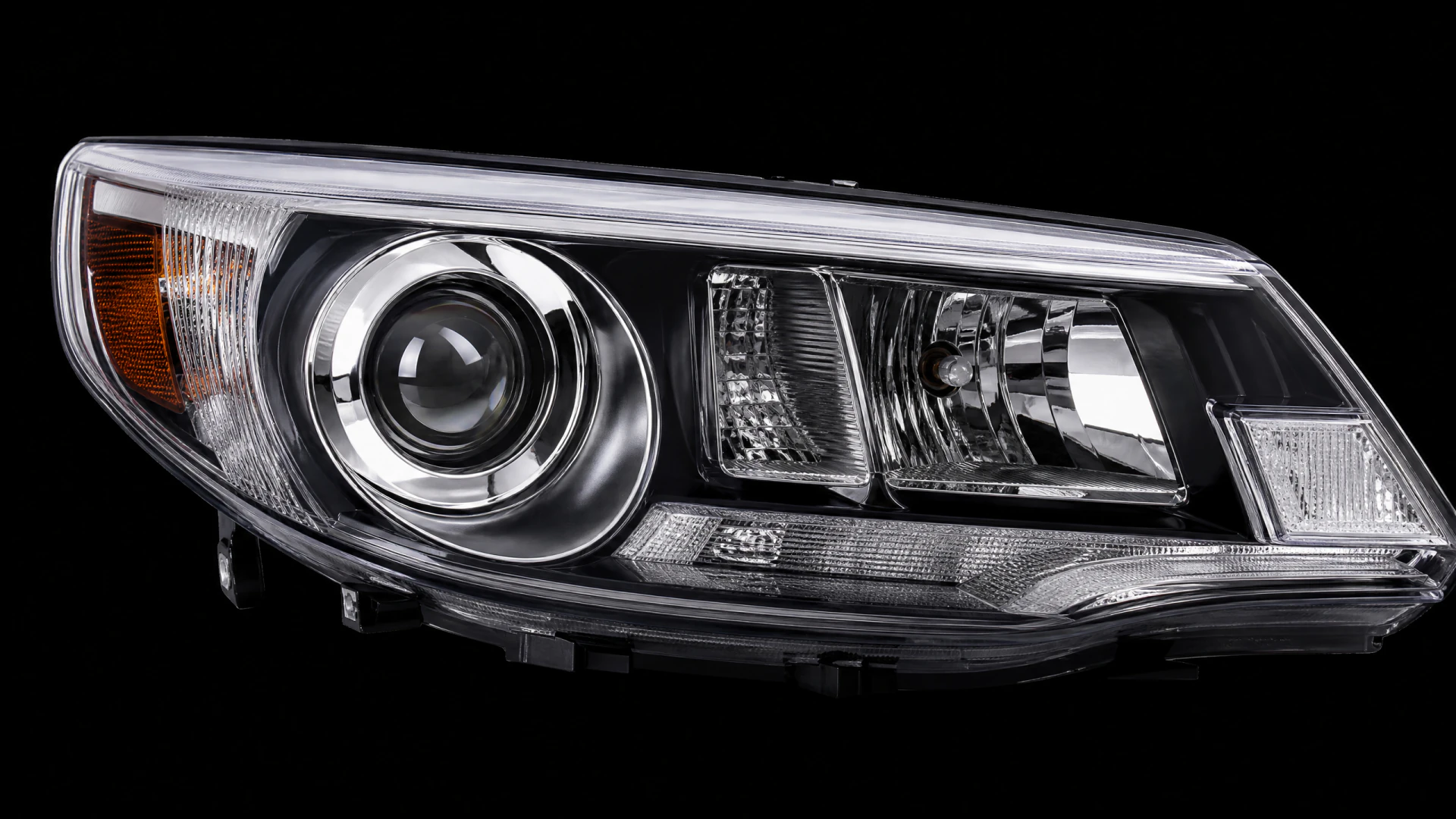
Lane departure warning and adaptive headlights matter for a quieter reason, which is fatigue and night driving. Many drivers in their late seventies and eighties still drive confidently in daylight but find evening drives more tiring, and these two features reduce the strain of staying centered in a lane or seeing the road edge in low light. They don't replace good judgment about when to drive, they just make the drives you do take less taxing.
What varies is how insurers score these features and whether a vehicle's exact trim includes them, since the same model year can differ by package. Check your specific vehicle's build sheet or window sticker, not just the model name, and ask your insurer directly which features they recognize for pricing, since that list differs by company and sometimes by state.
The short version
Automatic emergency braking, blind spot warning, and rear cross traffic alert matter most because they cover for slower reaction time and harder-to-check blind spots. They also tend to lower your premium since insurers see them as real risk reducers. Check your vehicle's exact trim and ask your insurer which features they credit.

A driver checks her own car before renewing
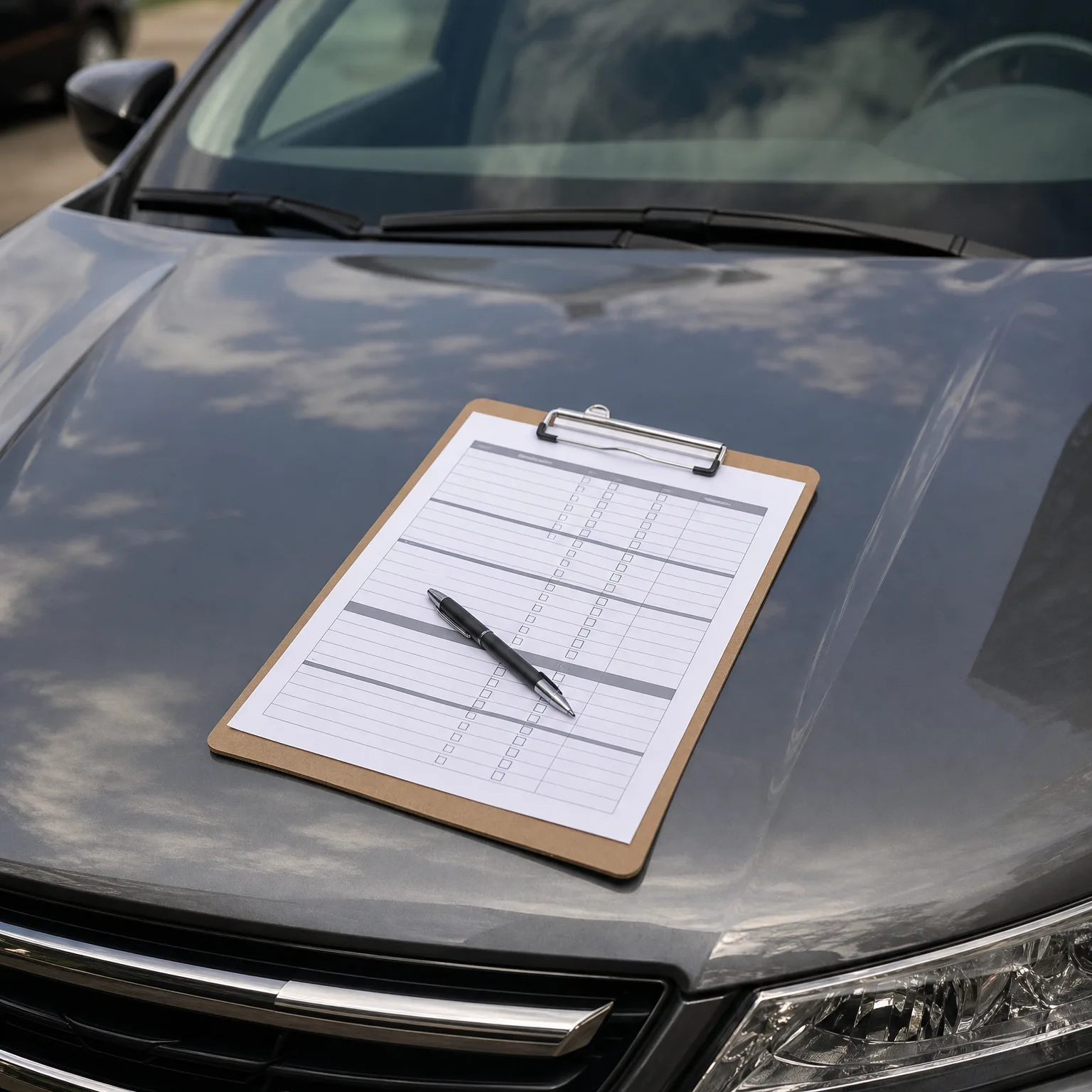
A woman in her early eighties was renewing her policy and noticed the premium had gone up again. Rather than assume nothing could be done, she pulled her car's window sticker from the glove box and found it had blind spot warning and automatic emergency braking, both from a safety package she'd forgotten she'd paid extra for years earlier.
She called her insurer and asked specifically whether those features were reflected in her price. They weren't, because the system had her car listed by base model only. Once she provided the trim details, her premium dropped, and she also felt more confident on left turns and highway merges knowing the car was watching her blind spot the way her neck no longer easily could. The fix cost her nothing but a phone call and a few minutes checking paperwork.
Once you know which safety features your car actually has, compare quotes to see how much they're worth to your premium.
Will adding these features to an older car even be worth the cost?
Often not, and that's worth saying plainly. Retrofitting features like automatic emergency braking into a car that wasn't built with them is usually expensive, sometimes impossible, and rarely makes financial sense for a vehicle you've already owned for years.
What makes more sense is using this information two ways. First, check whether your current car already has features you didn't know about, since trim levels and option packages are easy to overlook. Second, if you're considering replacing your car anytime soon, let this list guide which features you prioritize in the next one, since the payoff there is real and lasting. The decision isn't about upgrading what you have, it's about knowing what you have and planning the next purchase with open eyes.
Your premium increase may be less about age and more about whether your insurer knows what your car can do.