
What Do Cataract Halos Look Like When Driving at Night
Cataract halos show up as bright, fuzzy rings or starburst flares around headlights, often with glare that washes out the road.
Why a clouding lens turns lights into rings and flares
Your eye's lens is normally clear, letting light pass straight through to focus on the retina. As a cataract develops, the lens turns cloudy in patches, and light scatters instead of focusing cleanly. That scattered light spreads out around a bright point like a headlight, and your brain sees it as a halo or a burst of rays.
At night this effect gets worse because your pupil opens wider to let in more light. A wider pupil means light passes through more of the clouded lens, including the parts you don't use in daylight when your pupil is small. That's why someone with early cataracts can still pass a daytime vision check but struggle badly with oncoming headlights after dark.
The halos themselves vary depending on where the clouding sits in the lens. Clouding in the center tends to produce a tight ring with sharp glare. Clouding toward the edges often produces wider, softer halos with more overall haze. Either way, the issue isn't that you're seeing something extra, it's that the lens can no longer keep light where it belongs.
This is also why halos usually get worse gradually rather than appearing suddenly. Most cataracts progress slowly, so the halos tend to creep in over months or years. A sudden change in night vision, especially in one eye, is different and worth having checked rather than assumed to be a normal cataract.
Do cataract halos mean I have to stop driving at night?
Not automatically. Halos are a sign your lens is clouding, not a measurement of how much it's affecting your safety. Plenty of people drive comfortably for years with mild halos, especially on familiar roads with less oncoming traffic.
What matters more is whether the glare is making it hard to judge distance, read signs, or react in time, particularly on unfamiliar roads or in heavy traffic. If you're hesitating at intersections, slowing far more than other traffic, or avoiding night driving because it feels unsafe, that's the signal to get your eyes checked and have an honest conversation with your doctor about current night driving, not just your vision chart score.

Getting your eyes checked for the halos you're noticing
If you do
An eye doctor can confirm whether cataracts are causing the halos and how advanced they are. You'll get a clear sense of whether it's early, manageable, or reaching a point where treatment makes sense. You can keep driving with real information instead of guessing.
If you don't
The halos will likely keep getting worse gradually, and you won't know whether it's still mild or progressing toward something that affects your safety. You may end up limiting your own night driving out of uncertainty, when a checkup could tell you exactly where things stand.
Once you know what's behind your night glare, compare quotes to make sure your coverage still fits how you drive.
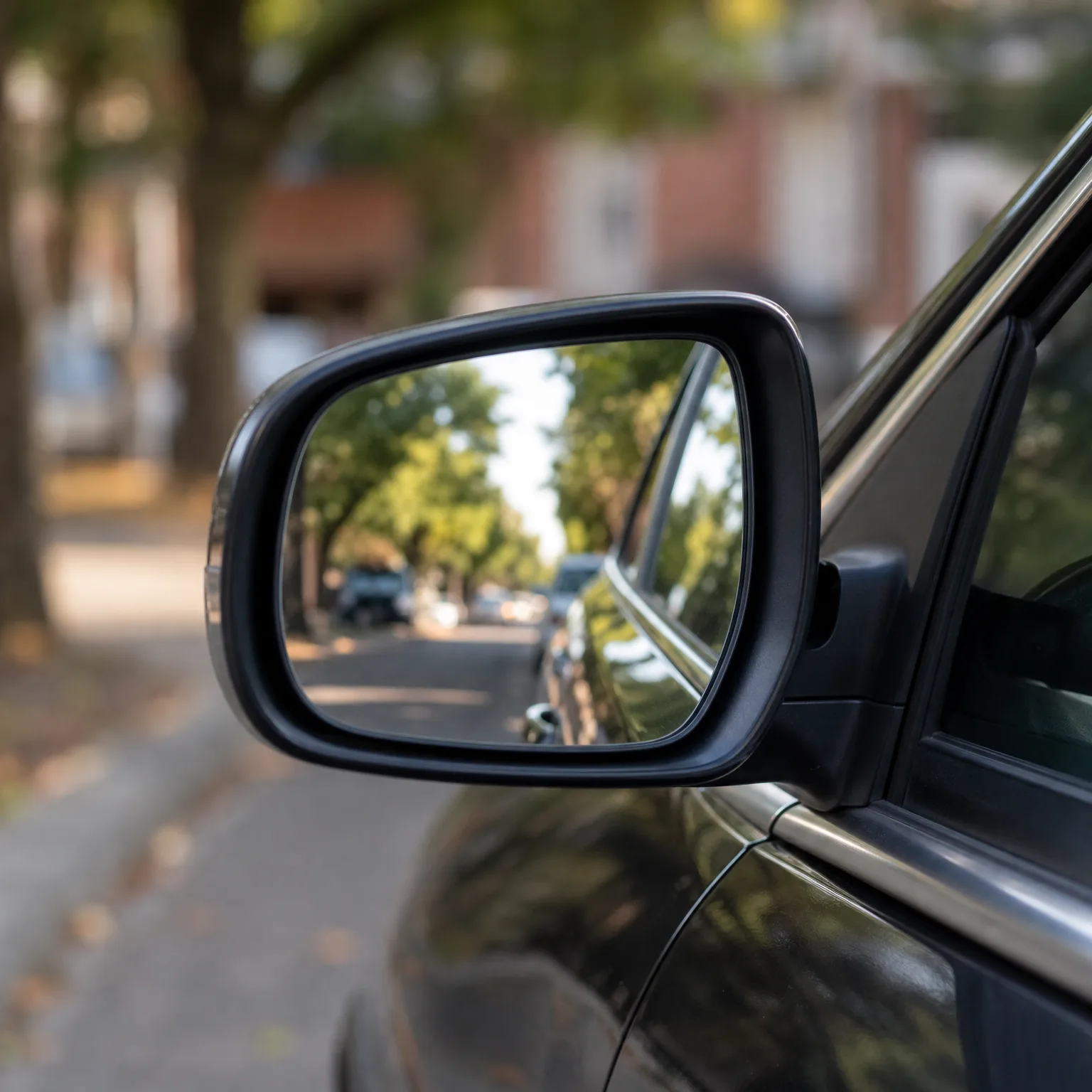
Noticing the rings around headlights on a familiar drive home
A driver in their early 80s started noticing bright rings around oncoming headlights on her regular evening drive home from her daughter's house, a route she'd driven for years. At first she assumed it was just older headlights being brighter than she remembered. Over a few months the rings got wider and started showing up around streetlights too, and she found herself slowing down more than usual and gripping the wheel tighter on stretches she used to drive without thinking.
She brought it up at her next eye exam instead of waiting for her annual checkup. The doctor confirmed early cataracts and explained that the halos were a normal sign of how the clouding scattered light at night, not a sign she was imagining things or losing her edge. Because it was still early, they agreed to monitor it with more frequent checkups rather than move to surgery right away. She kept driving her familiar routes at night but started avoiding unfamiliar roads after dark until her next exam, which felt like a reasonable middle ground rather than giving anything up.

Halos are information about your lens, not a verdict on your driving, so let an exam decide what changes.
Can glasses fix cataract halos at night?
Regular glasses won't remove halos caused by a clouding lens, because the scattering happens inside the eye, not from a focusing error glasses correct. Some anti-reflective coatings can reduce general glare slightly, which may help a little. But if the halos are from cataracts, the only treatment that actually addresses the cause is cataract surgery, which replaces the clouded lens. An eye doctor can tell you whether your halos are purely cataract-related or partly from another correctable issue, like an outdated prescription.
Will cataract surgery get rid of night halos completely?
Most people see a major reduction in halos after cataract surgery, since the clouded lens causing the light scatter is removed and replaced. Some people notice mild new glare or halos from the replacement lens itself, especially with certain lens types, but it's usually far less than before. Ask your surgeon about lens options and what their other patients typically report about night driving afterward, since this varies by the specific lens used.
How do I know if my night vision is too unsafe to drive?
There's no single number that decides this, so pay attention to how you actually feel and perform on the road. Warning signs include trouble judging distance from oncoming headlights, missing signs you used to read easily, or feeling consistently anxious driving familiar routes after dark. If family members who ride with you mention specific moments of concern, treat that as useful information rather than dismiss it. An eye doctor or a driving evaluation can give you a more objective read than self-assessment alone.