What Does Blind Spot Collision Warning Mean
Blind spot collision warning alerts you to vehicles you can't see, and insurers often value it because it can reduce certain accidents.

A driver finds the feature listed but not reflected in the price
A driver in her early 80s had her car's window sticker in a drawer and noticed it listed blind spot collision warning. Her renewal had gone up that year, and she wondered whether that feature should have kept it lower. She called her agent and asked directly whether the system had it on file.
It turned out her policy had never been updated with that detail, because the agent who wrote it years earlier hadn't asked and the feature wasn't something she'd mentioned since. Once she gave the vehicle identification number, the system confirmed the feature was factory installed. Her agent noted it on the file and explained it would be considered at the next renewal alongside everything else that had changed. It didn't erase the increase, since other factors were part of that too, but it was one more thing working in her favor going forward.
Will blind spot warning lower my rate even if I never asked about it?
It can, but only if the insurer actually has it on record. Having the feature in your car isn't the same as having it in your file. Insurers usually pull vehicle details from the identification number, which often catches factory-installed safety features automatically, but not always, and not for every make or model year.
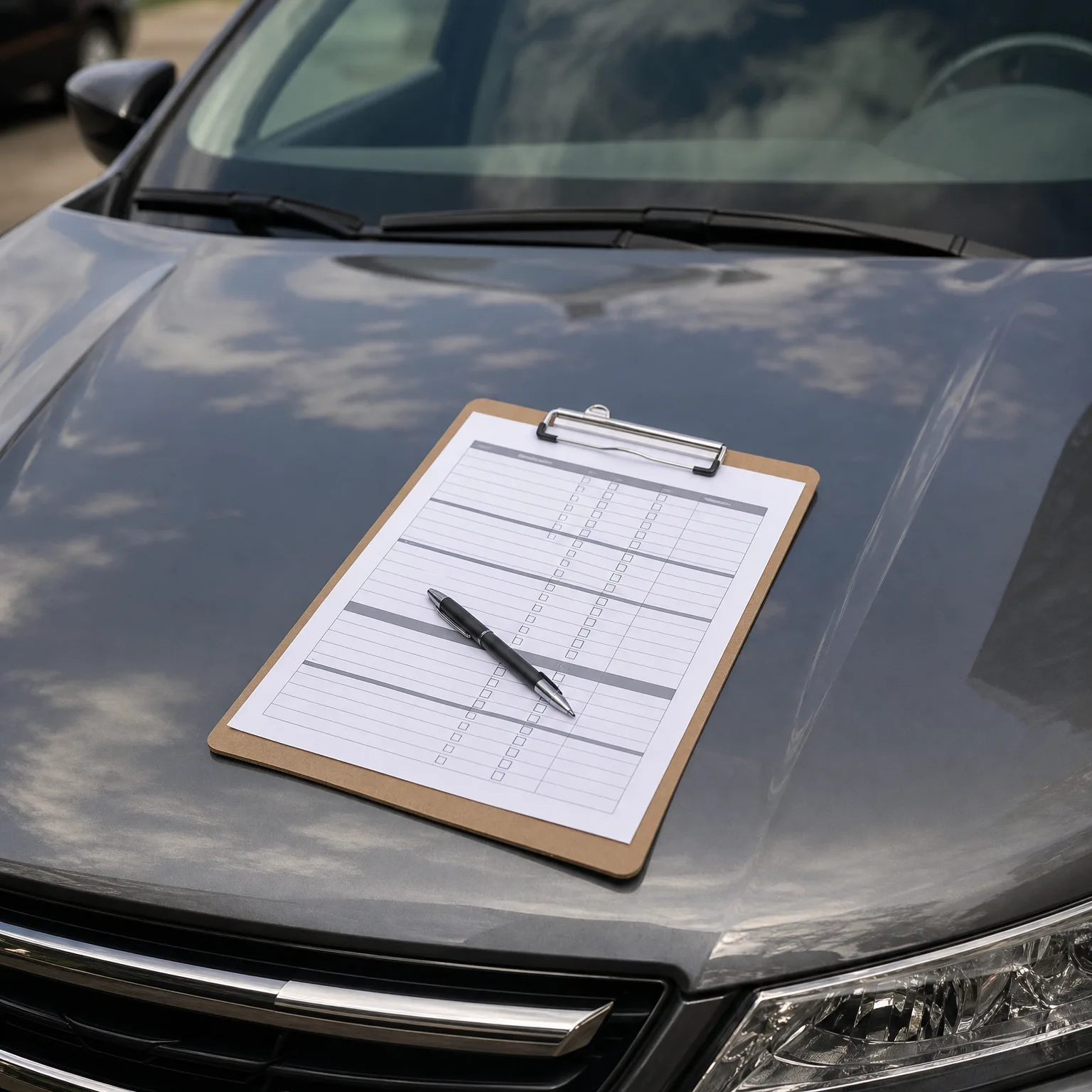
If you're not sure, ask your agent to confirm what equipment is listed for your vehicle. If blind spot warning isn't there and your car has it, ask what it takes to add it. Some insurers want documentation, others accept the vehicle identification number alone. Either way, it's worth confirming rather than assuming the system already knows.
Now that you know what this feature does, compare quotes to see it properly reflected in your price.
What to know about blind spot collision warning on your policy
- What the feature does It watches the lanes beside and behind you and alerts you when something is there you might not see. It doesn't steer or brake for you, it only warns.
- Why insurers care Fewer lane change and merging accidents mean fewer claims. Check whether your insurer offers a discount for this feature specifically, since not all do.
- Confirm it's on file Having the feature in your car doesn't mean your insurer knows about it. Ask your agent to verify it's listed against your vehicle.
- It's not a safety test This feature has nothing to do with license renewal or driving evaluations. Don't confuse an equipment discount with proof of driving ability.
- Check state and insurer rules Which features qualify for a discount varies by insurer and sometimes by state. Ask specifically rather than assuming your car's features all count.
Why this feature matters to an insurer at all
Insurers price risk, and risk is mostly about what tends to cause claims. Blind spot collisions, where a driver merges or changes lanes into a car they didn't see, are common enough that insurers track them separately from other crash types. A feature that catches this specific mistake before it happens is valuable to them because it's a targeted reduction in a known risk, not a general safety improvement.
That's also why the discount, where it exists, is usually small and specific rather than a broad reduction. The feature addresses one kind of accident. It doesn't reduce your risk of rear-ending someone, hitting a patch of ice, or being hit while parked. Insurers price accordingly, crediting what the feature actually prevents rather than treating it as a general mark of a safer car or a safer driver.
Where this plays out differently is in how each insurer verifies and values it. Some pull equipment data automatically from the vehicle identification number and apply any applicable discount without you asking. Others require you to report it and may ask for documentation like a window sticker or manufacturer specification sheet. A few don't offer a separate discount for this feature at all, folding it into a broader bundle of safety technology credits instead.
The practical upshot is that the feature's value to you depends less on what it does and more on whether your insurer sees it, prices it, and keeps that detail current on your file as your vehicle ages or if you change insurers.
A safety feature only helps your price if your insurer knows it's there, so don't assume it, confirm it.