What Evidence Helps in a Hit and Run
The evidence that matters most is the plate, the vehicle description, and anything a camera caught, gathered before memory fades.
What to collect right after it happens
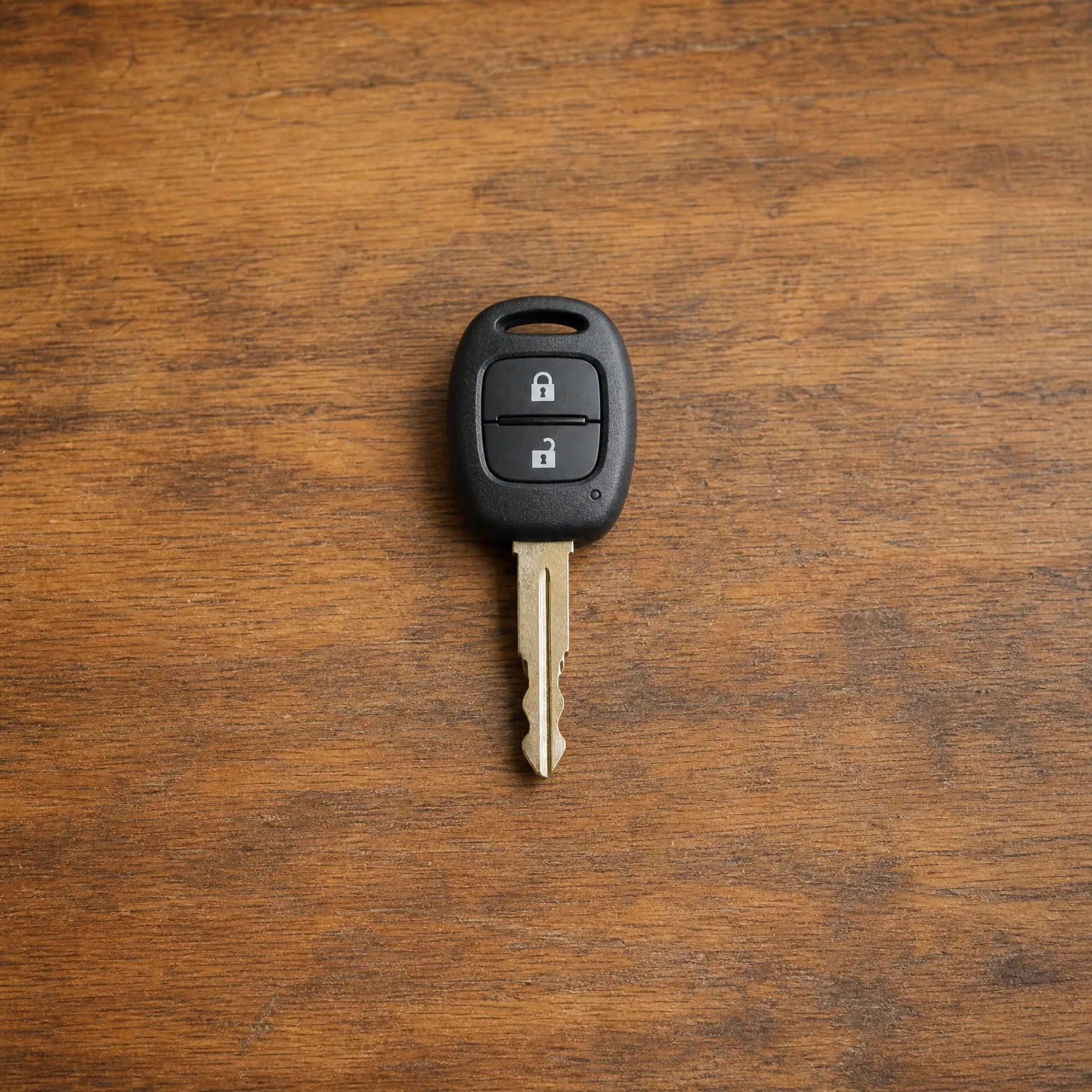
- License plate and vehicle Even a partial plate narrows the search fast. Note the color, make, damage location, and anything unusual like a bumper sticker or missing hubcap.
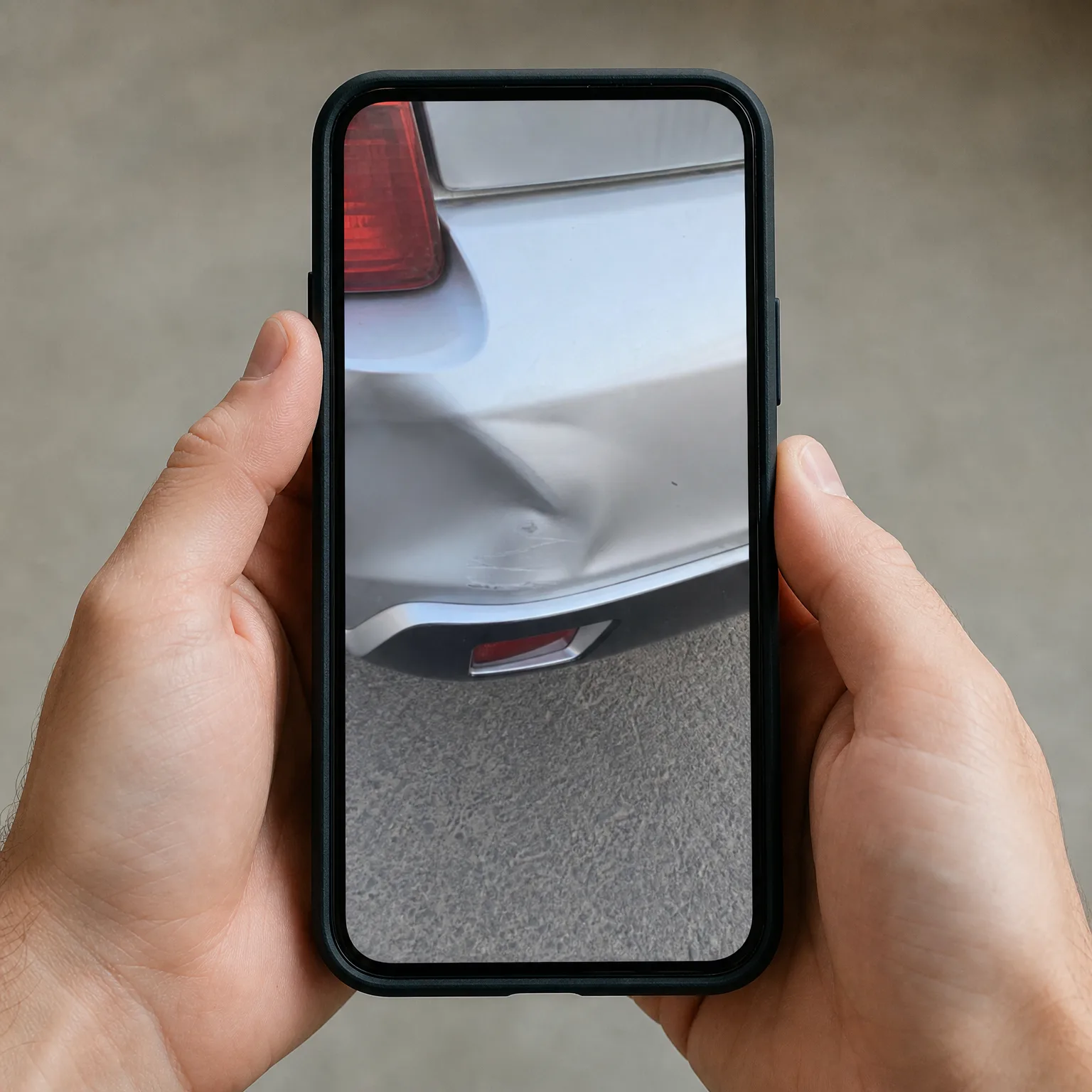
- Photos of everything Shoot the damage, the scene, skid marks, and debris before anything moves. Wider shots that show context matter as much as close-ups of the dent.
- Witnesses on the spot Ask anyone nearby for their name and phone number right then. People who saw it happen rarely stick around, and their account can confirm fault.
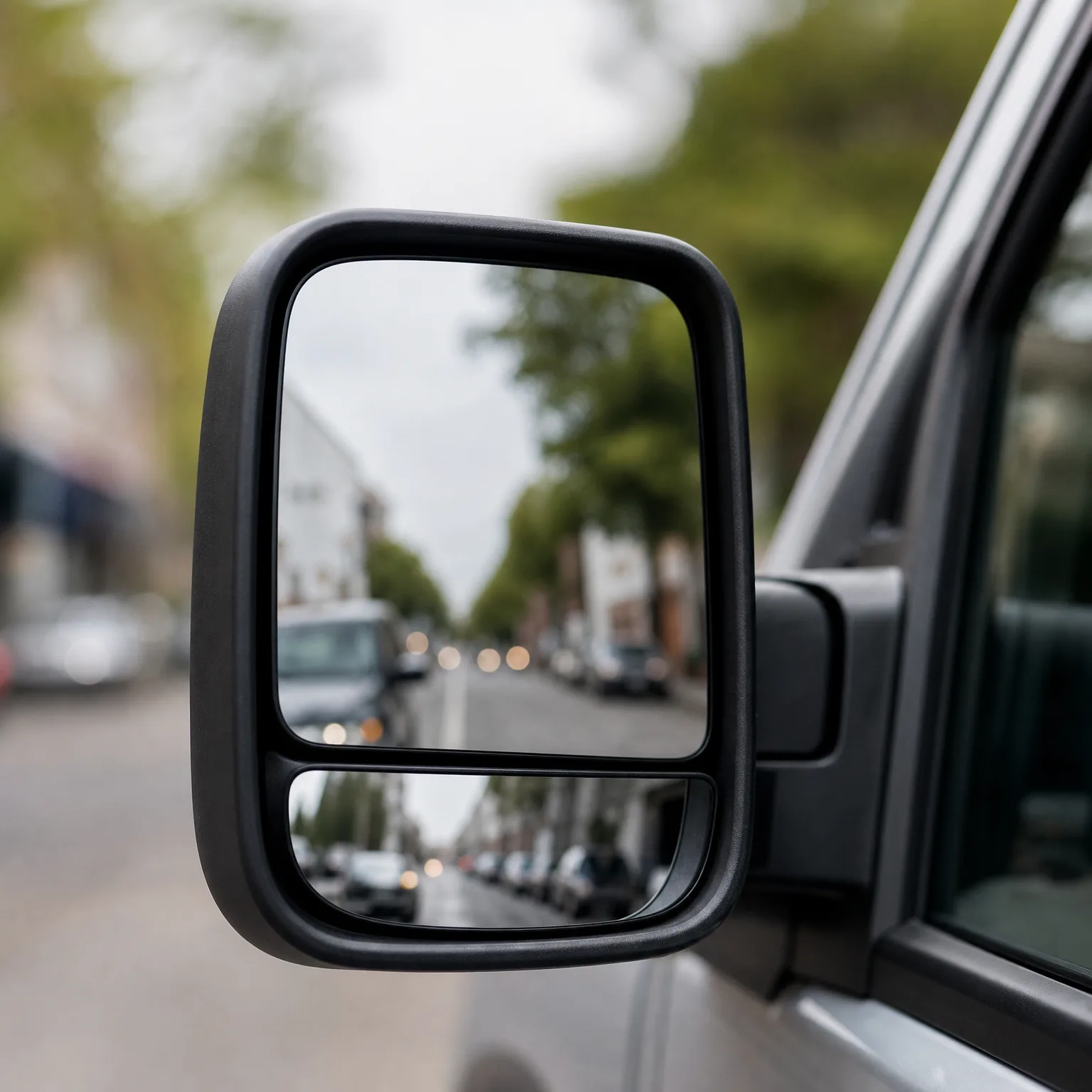
- Nearby cameras Look for doorbell cameras, storefronts, and traffic cameras near the scene. Footage gets overwritten quickly, so ask owners to save it the same day.
- The police report Call it in even if damage looks minor. The report timestamps the event and gives your insurer an official record to work from.
A parking lot hit and run with no witnesses
You come out of a store to find your rear bumper caved in and no note on the windshield. There's no one around, but a security camera sits on the light pole twenty feet away. You take photos of the damage from several angles, write down the time, and go back inside to ask the store manager if they can pull the footage.
The manager saves a clip showing a truck backing out fast and clipping your car before driving off. You can't make out the full plate, but you get the truck's color, make, and the direction it left. You file a police report that afternoon and send the clip and your photos to your insurer. The partial plate and footage are enough for the adjuster to treat it as a confirmed hit and run rather than an unknown-cause claim, which changes how the claim gets handled.

Should you spend time gathering evidence before leaving the scene
If you do
You document the plate, damage, and any cameras before the trail goes cold. Your claim moves faster because the insurer isn't guessing what happened. If the other driver is found, there's a far better chance they're held responsible instead of you absorbing the full cost.
If you don't
You leave with only a damaged car and no way to identify who hit you. The insurer has to treat it as an unknown-cause loss, which can limit how the claim is paid. Footage gets erased, witnesses move on, and the chance of finding the other driver drops fast.
Once you know what evidence to gather, compare quotes to see which insurer handles hit and run claims best for you.
Does it matter if the other driver is never found?
It matters for how the claim gets paid, not for whether you have a claim at all. If the driver is never identified, your insurer typically treats it as an uninsured motorist situation rather than a normal at-fault claim, as long as you carry that coverage.
Without that coverage, you may be left relying on your own collision coverage if you have it, which usually means paying your deductible. This is why evidence still matters even if you never expect the driver to be caught. A partial plate, a vehicle description, or footage can be enough for your insurer to classify the claim correctly, which affects your costs more than it affects whether the driver is found.

Evidence gathered in the first minutes decides how your claim is classified, and that decides what you pay.
Does a hit and run raise your insurance rates?
Generally no, not if it's confirmed as a hit and run and you weren't at fault. Insurers typically treat it differently from an at-fault accident, since the other driver caused it and fled. Check your policy or ask your insurer directly, since how this is handled can vary by state and by company.
What if there's no camera and no witnesses at all?
You still file a police report and your insurance claim using whatever details you remember, even small ones like direction of travel or vehicle sound. Insurers can sometimes still pay the claim under uninsured motorist or collision coverage without an identified driver, though the process may take longer and ask more of you to support it.
Should you wait for police before moving your car?
If you're blocking traffic or in danger, move to safety first and document the original position with photos if you can. Otherwise, staying put until police arrive preserves the scene. Check your state's rules, since some require you to remain unless it's unsafe to do so.