
What Happens if I Give Someone My Car and They Crash It
If you hand someone the keys and they crash, your policy pays first, because your coverage follows the car, not the driver.

When a grandchild borrows the car for an afternoon
Say your granddaughter is visiting and asks to borrow your car to run an errand. You say yes, she has a valid license, and you don't think twice about it because this is the kind of thing you've done for family for years. On the way back she misjudges a turn and taps another car in a parking lot. Nobody is hurt, but both cars have damage.
Because it was your car, your insurance is the one that responds first. The other driver's damage and any damage to your own car get handled through your policy, the same as if you had been driving. Your granddaughter's own insurance, if she has a separate policy, generally only steps in if the damage costs more than your policy covers. You file the claim the same way you always would, and afterward you decide together whether this changes who you lend the car to next time. Nothing about her driving record follows your policy, but your claims history does carry forward, so it's worth knowing before you hand over the keys.
Will my rates go up because someone else crashed my car?
Yes, this is the most common worry, and it's a fair one. When a claim is paid out under your policy, it typically becomes part of your own claims history, regardless of who was driving. That history is one of the things an insurer looks at when your renewal comes up, alongside your own record.
How much it affects your renewal, and for how long, varies by insurer and by state, so this is worth asking about directly. Some insurers weigh a first claim differently than a pattern of claims, and some states limit how claims can be used in pricing. If you lend your car occasionally to people you trust, one incident is unlikely to upend your coverage, but it's reasonable to ask your insurer how they handle it before it happens, not after.
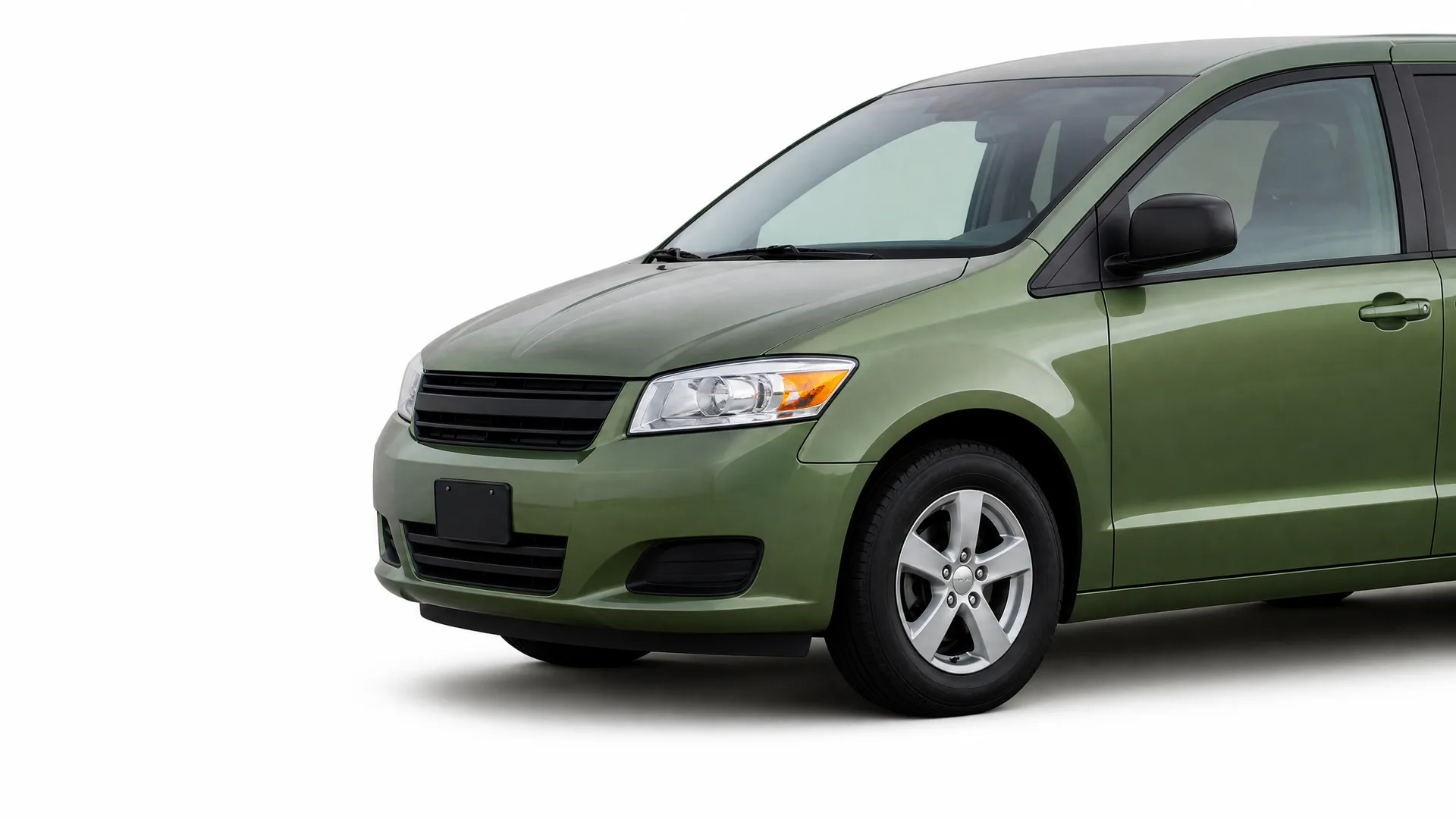
Your policy protects the car, so the real decision is who you trust with it, not who technically owns it.
Now that you know how your policy responds, compare quotes to make sure that coverage still fits what you need.
Coverage is tied to the car, with a few conditions worth knowing
Car insurance is built around the vehicle itself, not a single named driver. This is true across insurers and states. The idea is that a policy insures the risk of that particular car being on the road, so when you let someone else drive it with your permission, your policy is the one that's expected to respond if something goes wrong.
This is why giving someone your keys is different from someone taking your car without asking. Permission matters. If you hand the keys over yourself, that's regarded as permissive use, and your policy treats the resulting claim the same as if you had been driving. If your car is taken without your knowledge, that's a different situation entirely, closer to theft, and it's handled differently.
There are limits to this. Some insurers list specific excluded drivers on a policy, often because of a prior serious violation, and if someone on that list drives your car, coverage may not apply the way you'd expect. There can also be differences if the person driving lives in your household regularly versus someone visiting once, since some insurers expect regular household drivers to be listed on the policy itself.
Because these specifics vary by insurer and by state, the safest move is to ask your own insurer two plain questions. First, does permissive use apply the way you'd assume for someone like your friend or relative. Second, is there anyone you shouldn't lend the car to under your current policy. Knowing the answers before you hand over the keys means there are no surprises after.

Does my insurance cover a friend driving my car if they don't live with me?
Yes, in most cases, as long as you gave them permission and they're not someone specifically excluded on your policy. Occasional use by a friend or relative who doesn't live in your home is usually treated as permissive use. What can change this is if your insurer requires regular drivers to be listed, so if this friend borrows your car often, it's worth asking whether they should be added rather than just covered occasionally.
Should I add someone as a listed driver if they borrow my car often?
Often yes, if the borrowing is regular rather than occasional. Insurers distinguish between someone who drives your car a few times a year and someone who uses it every week, and the second case is more likely to need to be listed. Ask your insurer where that line falls for your policy, since the definition of regular use isn't the same everywhere.
What if the person driving my car has their own insurance policy?
Their policy usually only comes into play if the damage goes beyond what your policy covers. Your coverage is generally considered primary because it's attached to the car, and theirs is secondary, stepping in only for the remaining cost. Whether that's how it works for you depends on both policies, so it's worth confirming with your insurer rather than assuming.