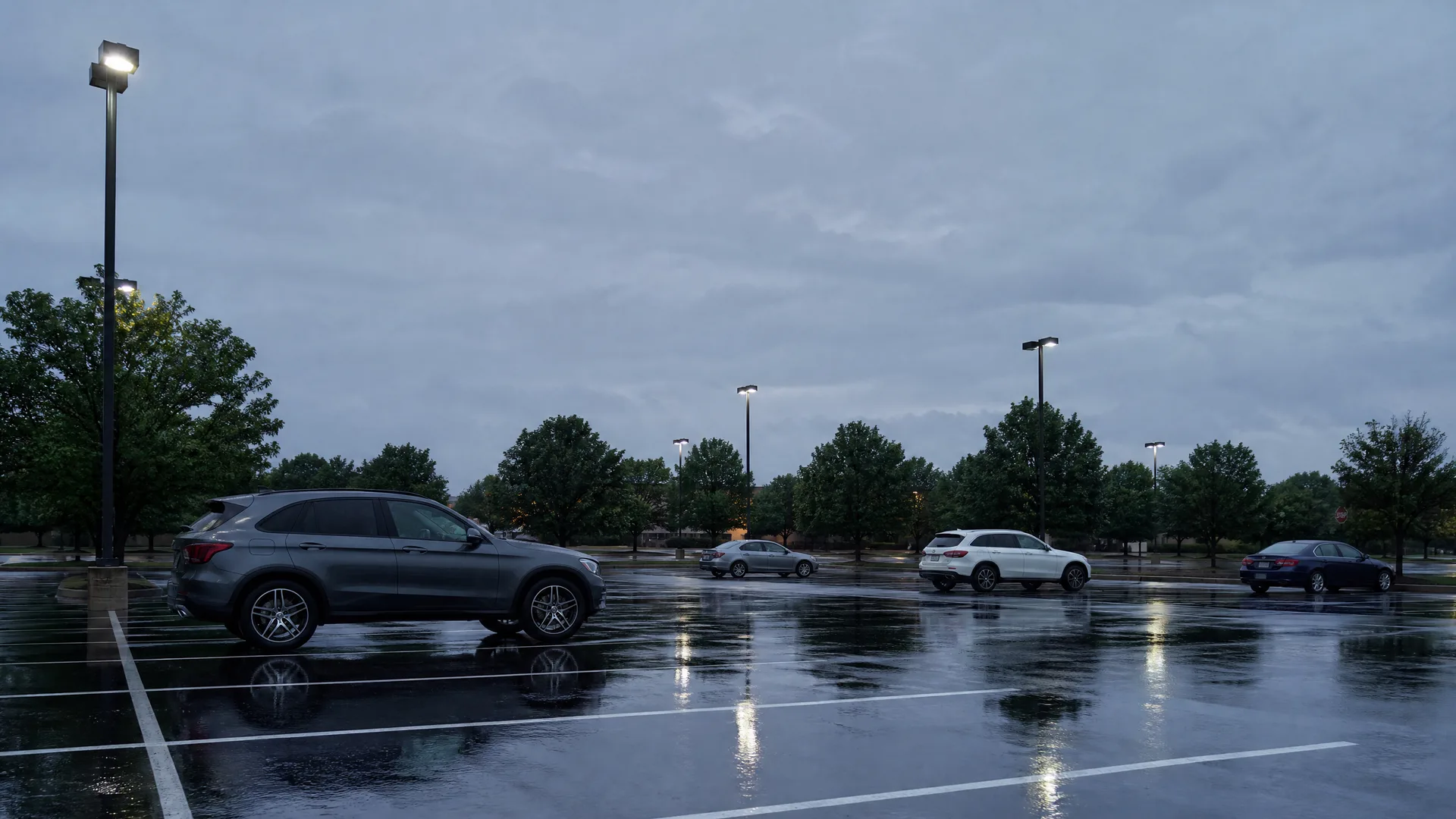
What Helps Driving at Night with Cataracts
The real fix is getting your eyes checked and your lenses or glasses adjusted, not just avoiding night trips.
Why glare gets worse and what actually cuts it
Cataracts cloud the lens inside your eye, and that cloudiness scatters light instead of letting it pass through cleanly. Oncoming headlights, streetlights, and wet roads all throw more light at your eyes at night, so the scattering gets worse exactly when you need clear vision most. That is why night driving usually declines before daytime driving does, even when your regular vision test still looks fine.
An eye exam is the only way to know how much the cataract is contributing versus something else, like an outdated glasses prescription or dry eyes. Anti-reflective coatings on glasses, a updated prescription, or in some cases cataract surgery can restore a lot of night clarity. None of this is optional guesswork, it is a specific medical question your eye doctor can answer directly.
Some things help in the meantime without fixing the underlying cause. Cleaning your windshield inside and out removes a surprising amount of glare-causing haze. Dimming your dashboard lights, aiming your mirrors to deflect headlight glare, and avoiding roads with heavy oncoming traffic all reduce the strain. These are real adjustments, not substitutes for treatment.
What your state requires for vision at license renewal varies, and some states ask more questions as drivers age. Check your state's licensing agency for what their vision standard actually is, since passing it with cataracts is common and doesn't automatically mean restrictions.
The short version
Get your eyes examined, since cataracts scatter light and that's usually the real cause of night glare, not your driving skill. Ask about an updated prescription, anti-reflective coatings, or surgery. In the meantime, clean your windshield and dim your dashboard to cut glare on the roads you still drive at night.
A driver who stopped evening church because of glare
A driver in her early 80s had started dreading the drive home from evening church because oncoming headlights left a glare that took a few seconds too long to clear. She assumed it was just age and planned to stop going at night. Instead she mentioned it to her eye doctor at her next visit, who found a cataract forming in one eye and confirmed her glasses prescription was also a year out of date.
She got new lenses with an anti-reflective coating right away, which helped some, and scheduled cataract surgery for the more affected eye a few months later. Between the glasses and the surgery, her night glare dropped enough that she went back to driving herself to evening services. She also mentioned the vision change to her insurer when she renewed her policy, since she wanted her file to reflect that she'd addressed it rather than ignored it.
Once your eyes are checked and treated, compare quotes with a clear picture of your vision and your driving.
Getting your eyes checked before your next renewal
If you do
You find out exactly what's causing the night glare and get a specific fix, whether that's new lenses, a coating, or surgery. You can tell your insurer and your family you've addressed it, with a doctor's assessment behind you instead of a guess. Most people who get treated keep driving, including at night.
If you don't
The glare keeps getting worse gradually, so you may not notice how much you've started avoiding until you've nearly stopped night driving altogether. If a vision problem shows up later at a license renewal or after an incident, you'll be addressing it under more pressure instead of on your own schedule.

What actually helps with cataract glare at night
- Get an eye exam This tells you how much the cataract is affecting your vision versus other causes. Schedule it before your next license renewal, not after.
- Update your glasses Prescriptions often fall behind as cataracts progress, and an old prescription makes glare worse than it needs to be. Ask specifically about anti-reflective coatings for night driving.
- Ask about surgery timing Surgery often restores significant night clarity and is common and well understood by eye doctors treating older adults. Ask what surgery would change for your night vision specifically, not just your overall vision.
- Clean your windshield Haze and residue on glass scatter headlight glare more than people expect. Clean both sides of your windshield and your headlights themselves.
- Adjust mirrors and lights Tilting mirrors slightly and dimming interior lights reduces how much glare reaches your eyes directly. These are small changes you can make tonight, before any appointment.