
What Information Is Needed for a Car Insurance Quote
You need your license, your car's details, your driving history, and a sense of the coverage you want, and that's it.
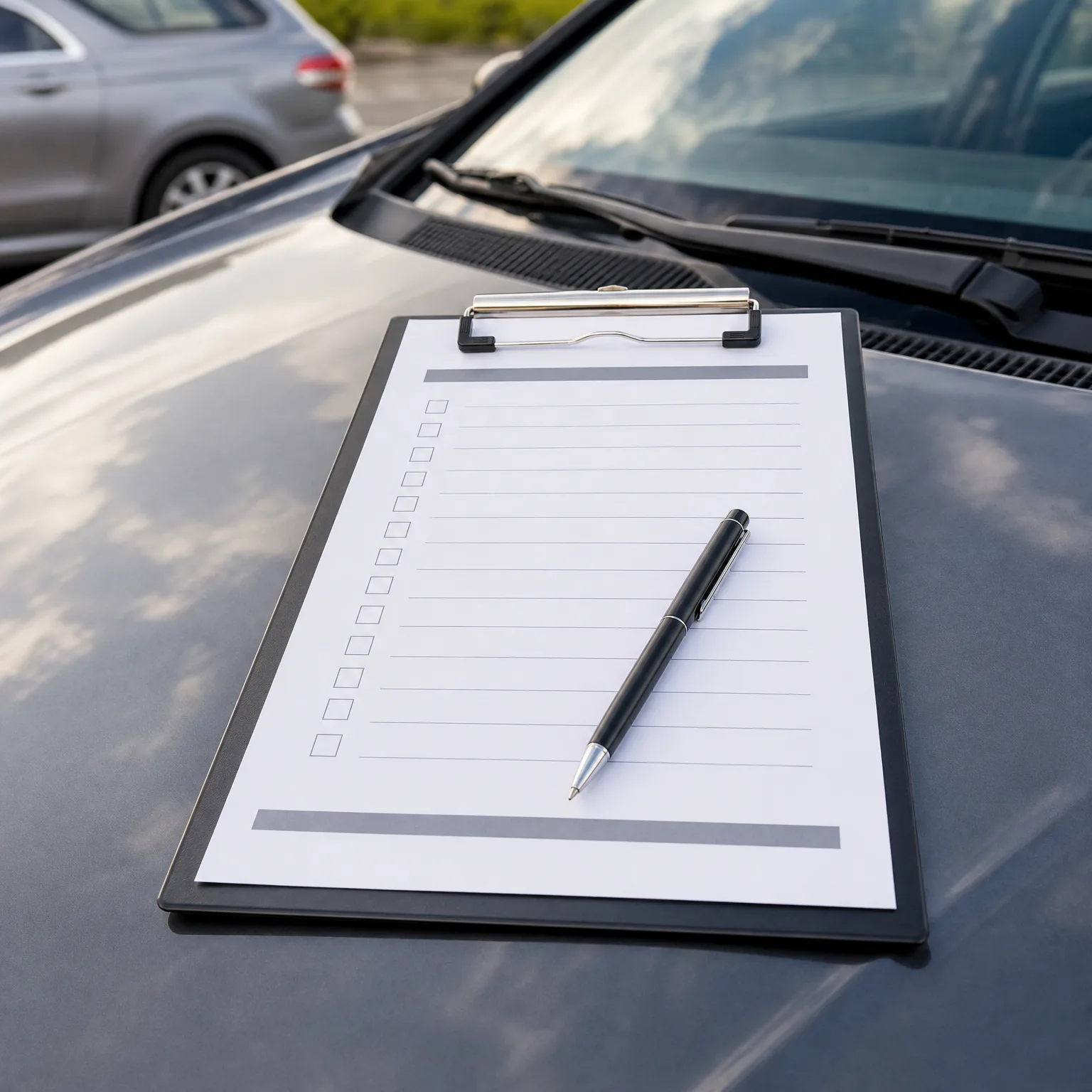
Have these five things ready before you start
- Driver's license info This confirms who you are and how long you've been licensed. Have the license number and renewal date on hand for yourself and anyone else on the policy.
- Vehicle details The insurer needs the year, make, model, and vehicle identification number to price the car correctly. Check your registration or the car itself for the VIN if you don't have it memorized.
- Driving history This covers accidents, violations, and claims from recent years. Think back honestly, since the insurer will check records anyway and surprises can change your quote later.
- Current coverage info If you have a policy now, know your current limits and who your insurer is. This helps you compare apples to apples instead of guessing at what you're upgrading or dropping.
- How much you drive Insurers ask about annual mileage and what you use the car for. A rough honest estimate of errands, appointments, and trips is enough, you don't need an exact count.

Getting a quote after years with the same insurer
A driver in her early 80s decided to compare quotes because her renewal had crept up two years running and she wanted to know if she could do better elsewhere. She pulled out her current policy to see her coverage limits, found her license renewal date on her wallet card, and checked her car's registration for the VIN. She also thought through the last several years, no accidents, one minor ticket a while back, and wrote that down so she wouldn't have to guess when asked.
When she sat down to get quotes, she had every answer ready before the first question finished. She estimated her mileage based on her usual week, the grocery store, church on Sundays, her granddaughter's house twice a month, and rounded up a little to be safe. The quotes came back within minutes and she could compare them side by side because she'd given the same accurate information to each one. She ended up switching to a policy with a lower premium and the same coverage, and the whole process took less time than she'd expected because she wasn't scrambling for paperwork halfway through.
The quote isn't judging whether you should drive, it's just pricing the car and the facts you give it.
Gather these details once, then compare quotes to see what your accurate information actually earns you.
Why insurers ask for exactly this
Every piece of information an insurer asks for ties directly to risk, and risk is what sets your price. Your license and driving history show how you've actually driven, not how old you are. Your vehicle details tell them what it costs to repair or replace that specific car. None of it is about judging your decision to keep driving, it's about pricing the specific risk your car and your record represent.
This is why two drivers of the same age can get very different quotes. One may have a clean record and a car that's cheap to repair, the other may have a different vehicle or a ticket from a few years back. The questions are the same, but the answers lead to different numbers. That's also why accuracy matters more than impressions, an insurer that finds a mismatch between what you said and what your record shows can adjust your rate later or delay your claim.
Some of what counts as relevant history varies by state, and how far back an insurer looks can vary too. A violation that no longer affects your rate in one state might still count in another, so check your own record or ask directly what window the insurer uses. The same goes for mileage, some insurers ask for a precise number, others just want a general range, so don't assume one insurer's form tells you what another will want.
The one thing that doesn't vary is this, honest and complete information gets you a quote that holds up. An insurer can't give you an accurate price with partial answers, and a low quote built on missing details isn't really a lower price, it's a price that's likely to change once they see the full picture.
Does my health or a recent medical exam affect my quote?
Not directly, insurers price based on your driving record and vehicle, not your medical history. What matters is whether a license renewal required a vision or road test and whether you passed it. If a state restricts your license in some way, like daytime-only driving, that restriction itself may factor into pricing, so check your license for any such conditions before you get quotes.
Will quotes differ a lot between insurers for the same information?
Yes, because each insurer weighs the same facts differently. One might weigh years of clean driving heavily, another might focus more on vehicle type or how much you drive. This is exactly why giving every insurer the same accurate details matters, so the variation you see reflects real differences in how they price, not gaps in what you told them.
Do I need to get quotes from my current insurer too?
It's worth asking, since loyalty doesn't always mean you have the best price available. Call or check online for an updated quote using the same information you're giving other insurers. Compare it directly against the others, and if your current insurer's price has drifted higher than what's available elsewhere, that's useful to know either way.