What Is Comprehensive Insurance
Comprehensive pays for damage to your car from things other than a crash, like weather, animals, fire, or theft.
It covers what happens to your car when you're not even driving it
Comprehensive exists because cars get damaged in ways that have nothing to do with how anyone drives. A hailstorm, a falling branch, a deer in the road at dusk, a windshield cracked by a rock. None of that is a collision, and none of it is anyone's fault, so it gets its own kind of coverage with its own rules.
That's why comprehensive is often paired with collision rather than sold alone. Collision pays when your car hits something or something hits you. Comprehensive pays for nearly everything else that can damage the car itself. Together they cover the vehicle from most angles, while liability, which is required almost everywhere, covers damage you cause to other people and their property.
Whether you carry comprehensive at all is partly your choice and partly your lender's, if you're financing or leasing. Once a car is paid off, some owners drop comprehensive if the car's value is low and the yearly cost of carrying it no longer makes sense against what they'd actually recover in a claim. That math depends on your car's age and value, so it's worth checking rather than assuming either way.
What counts as a comprehensive claim can vary slightly by insurer, and a few states handle glass damage or animal collisions with their own specific rules. Ask your insurer directly how they classify those cases in your state, since it can affect what you pay out of pocket.
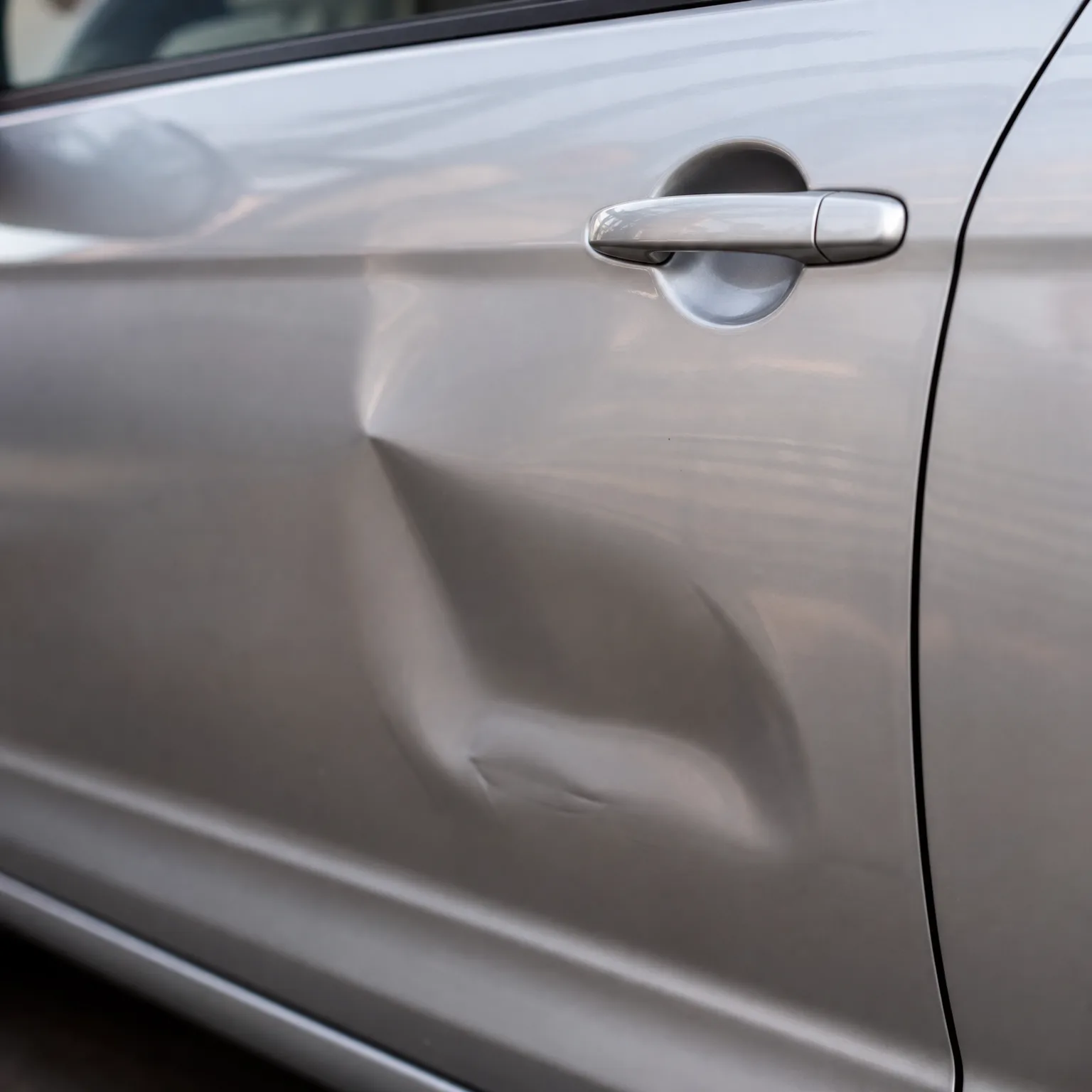
A tree limb falls on your car overnight
You wake up to find a heavy branch across your hood after a windstorm, with the hood dented and a headlight cracked. Nothing about this involved another car or any driving at all, so you call your insurer to ask whether it falls under comprehensive. They confirm it does, since falling objects are one of the standard things comprehensive covers, and they walk you through filing the claim with photos of the damage and the branch.
You take it to a shop the insurer approves, pay your deductible, and the rest of the repair is covered. The claim doesn't involve fault or blame, so it's handled differently than an at-fault accident would be, and it typically doesn't carry the same weight when your insurer looks at your driving history later. The car comes back repaired within a couple weeks, and the only cost to you was the deductible you'd already chosen when you set up the policy.
Does a comprehensive claim raise my rate the way an accident would?
Usually not in the same way. Comprehensive claims are for events outside your control, like weather, theft, or animals, so insurers generally treat them differently than at-fault accidents when they look at your driving record. Most rate increases are tied to claims that reflect how someone drives, and a tree limb or hailstorm doesn't say anything about that.
That said, filing several comprehensive claims in a short span can still draw attention from an insurer, even if each one was unavoidable. And rules differ by company and by state, so it's worth asking your insurer directly how they weigh comprehensive claims in your area before you file, especially if you're already watching your renewal price closely.
Now that you know what comprehensive covers, compare quotes to see what that protection costs across insurers.
What to know before you decide on comprehensive coverage
- What it actually covers Comprehensive pays for damage from weather, fire, theft, vandalism, and animals, not crashes with other cars. Check your policy's list of covered events so you know exactly what's included.
- How it pairs with collision Comprehensive and collision are usually bought together to cover the car from most angles. Ask your insurer how the two interact and whether you need both given your car's value.
- Whether it's required If you're financing or leasing, your lender likely requires comprehensive coverage. If your car is paid off, it becomes your choice, so weigh the yearly cost against your car's worth.
- What your deductible means here Comprehensive claims come with their own deductible, which you choose separately from collision. A higher deductible lowers your premium but raises what you'd pay if your car is damaged.
- How claims are treated afterward Comprehensive claims are generally not treated like at-fault accidents since nothing about them reflects your driving. Ask your insurer how they factor these claims into renewal pricing in your state.
Comprehensive isn't about how you drive. It's about everything that can happen to your car when you're not.
Is comprehensive insurance required by law?
No state requires comprehensive coverage by law, only liability is typically mandatory. Lenders often require it if you're financing or leasing a car, since they have a financial interest in the vehicle. Once the car is paid off, carrying comprehensive becomes entirely your decision, based on the car's value and how much risk you want to carry yourself.
Does comprehensive cover a windshield crack?
Yes, windshield and glass damage usually fall under comprehensive coverage. Some states have specific rules requiring insurers to waive the deductible for glass repair or replacement, so it's worth checking your state's rules and your policy's glass coverage terms directly with your insurer before assuming what you'll owe.
What's not covered by comprehensive insurance?
Comprehensive doesn't cover damage from a collision with another car or object, mechanical breakdowns, or normal wear and tear. It also doesn't cover injuries, which fall under medical or liability coverage. Check your policy's exclusions section, since a few specific exclusions can vary by insurer.