What Is Liability Insurance on a Car Policy
Liability insurance pays for the other driver's injuries and damage when you're the one found at fault.
What liability coverage actually does for you
- Covers the other side It pays for the other driver's car repairs and medical bills when you caused the accident. It does not pay for your own car or your own injuries.
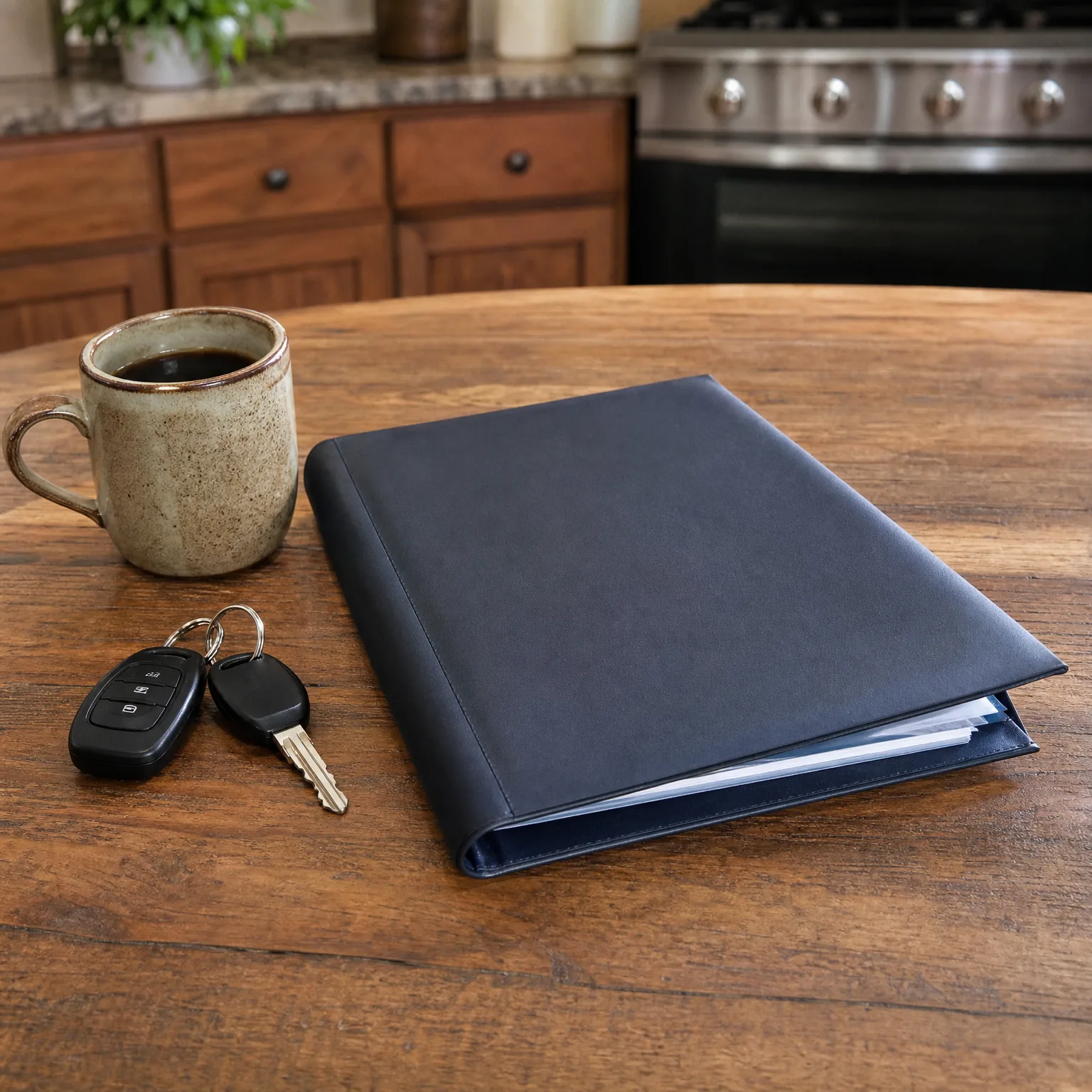
- Comes in two parts One part covers injuries to other people, the other covers damage to their property. Check your declarations page to see how much of each you carry.
- Has a dollar limit Your policy only pays up to the limit you chose when you bought it. If the accident costs more than that, you could owe the difference yourself.
- Required to drive legally Every state requires some minimum amount of this coverage to register and drive a car. Ask your agent what your state requires and whether your limit still fits your situation.
- Separate from car coverage Collision and comprehensive coverage protect your car, not liability. If you want your own vehicle covered too, that's a different part of the policy.
How much liability coverage do I actually need?
More than the state minimum, in most cases. State minimums were set as a legal floor, not as a realistic estimate of what an accident costs today. If you cause a serious accident and your limit runs out, you can be held personally responsible for the rest, including savings or other assets you own.
A common approach is to carry enough to protect what you have. If you own a home, have savings, or receive retirement income, those are things a court judgment could reach if your coverage falls short. Ask your agent to walk through your limits against what you'd want protected, rather than just renewing the same number from decades ago.
There's no universal right answer, because it depends on your assets, your state's rules, and what else you carry, like an umbrella policy. The goal is matching the coverage to your actual situation, not just to habit.
Now that you know what liability coverage protects, compare quotes to find a limit that fits your budget.
Why insurance separates your car from everyone else's
Liability coverage exists because the law wants to make sure the person who causes an accident can actually pay for the harm they caused. It's built around fault. If you're found responsible for a crash, the other driver and any passengers need a way to be made whole again, and liability insurance is that mechanism. It stands apart from coverage for your own car because those are two different problems. One is about what you owe someone else. The other is about protecting your own property.
This is also why liability coverage has a limit instead of paying whatever the total cost turns out to be. Insurers price the coverage based on the limit you choose, and you're agreeing to a ceiling in exchange for a lower premium. Choose a low limit and you save money upfront, but you carry more personal risk if a serious accident happens. Choose a higher limit and you pay more now for less exposure later.
What counts as adequate coverage isn't fixed, because it depends on what you have to lose. Someone with few assets and modest income has less at stake financially if a judgment exceeds their limit, though the stress of it is real either way. Someone with a home, investments, or retirement savings has more that could be pursued, which is why many people in that position choose limits well above the legal minimum.
The other variable is your state. Some states require higher minimums than others, and some use different systems entirely for handling fault and payouts after an accident. None of that changes what liability coverage is for. It only changes how much you're required to carry and how claims get sorted out once an accident happens.
The real risk isn't your license, it's a liability limit too low to protect what you've built.
Does liability insurance cover my own car if I'm at fault?
No, it doesn't. Liability only pays for the other driver's damage and injuries when you're responsible. To repair or replace your own car after an at-fault accident, you need collision coverage as a separate part of your policy. Check your declarations page to see if you carry it and what your deductible is.
Will my liability rates go up just because of my age?
Age itself isn't the only factor, but insurers do look at claims data for your age group, along with your personal driving record and health. Some insurers weigh age more heavily than others. Ask your agent or company directly how age affects their pricing and whether a safe driving course could offset part of the increase.
What happens if my liability limit isn't enough to cover a claim?
You could be held personally responsible for the remaining cost, which may involve a lawsuit against your other assets. This is why choosing a limit above your state minimum matters if you have savings, a home, or other property. An umbrella policy is one way to add protection beyond your standard liability limit.