What Is the Downside to a High Deductible Auto Insurance
A high deductible lowers your premium but means you pay more yourself before coverage kicks in after a claim.

A fender bender that cost more than expected
A driver in her early 80s chose a higher deductible a few years back because her renewal dropped and she rarely filed claims. She backed into a post in a parking lot, cracking a taillight and denting the bumper. The repair estimate came in just above her deductible, so filing meant paying most of it herself anyway.
She decided to pay for the repair out of pocket instead of filing, since a claim wouldn't have saved her much after the deductible and could have affected her next renewal. She kept the money she'd saved on premiums over the years as a cushion for exactly this kind of repair, which made the decision easier. It worked out for her, but only because she had that cushion set aside and the damage was minor.
How do I know if a high deductible is still right for me now?
It's still right if you have enough set aside to cover the deductible comfortably without changing your month, and if your driving and health haven't changed in ways that raise your chance of a claim. If a repair bill at your deductible level would strain your budget, that's a sign to reconsider.
Your situation today isn't the same as it was when you first chose this deductible. Reaction time, vision, and the roads you drive have likely changed even if you feel the same behind the wheel. It's worth revisiting this choice regularly, not just setting it once and forgetting it, especially as your renewal price shifts.
The deductible you picked years ago should match the savings you have today, not the budget you had back then.
Once you know what deductible fits your savings and your driving now, compare quotes to find the price that matches it.

Choosing a high deductible versus a lower one
If you do
Your monthly or renewal cost drops, often noticeably, and stays lower as long as you keep that deductible. If you're ever in an accident, you pay more of the repair or medical cost yourself before coverage starts. Small claims may not be worth filing at all, since the payout after your deductible could be minimal.
If you don't
Your premium stays higher every renewal, which adds up over years of safe driving. But if you're ever in an accident, you pay less out of pocket and a claim is worth filing even for moderate damage. This suits you if a sudden repair bill would be hard to absorb right now.
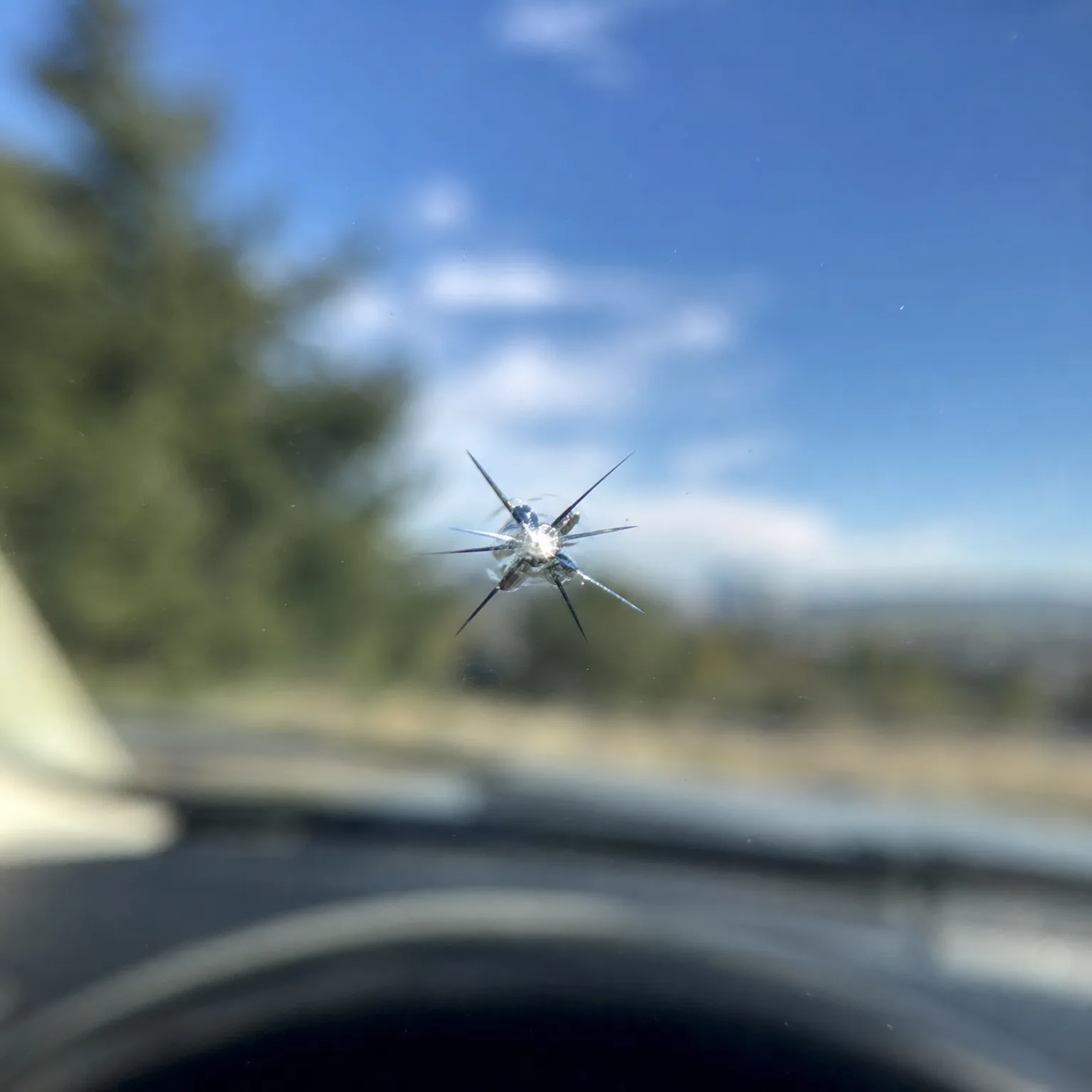
What a high deductible actually costs you later
- Bigger bill after an accident You pay that deductible amount yourself before any coverage pays out. Make sure you have that exact amount sitting in savings, not just a rough idea you do.
- Small claims aren't worth filing Minor damage near your deductible amount means filing a claim may get you little or nothing back. Decide in advance that you'll pay small repairs yourself and save the claim for serious damage.
- Savings can shrink over time Insurers adjust pricing as you age, so the gap between a high and low deductible may narrow at renewal. Check your renewal notice each year to see if the savings still make the higher deductible worth it.
- Health changes raise the stakes A new medication or vision change can raise your chance of a claim, even if you feel like the same driver. Revisit your deductible choice whenever your health or daily driving habits shift.
- Harder to absorb on fixed income A deductible that felt manageable on a working income can feel much larger on a fixed one. Recalculate what you could actually pay today, not what felt comfortable when you first chose it.