What Is the Most Crucial Sense for Driving
Vision is the sense driving depends on most, since nearly everything you react to behind the wheel, you react to because you saw it first.
Why sight carries more of the job than any other sense
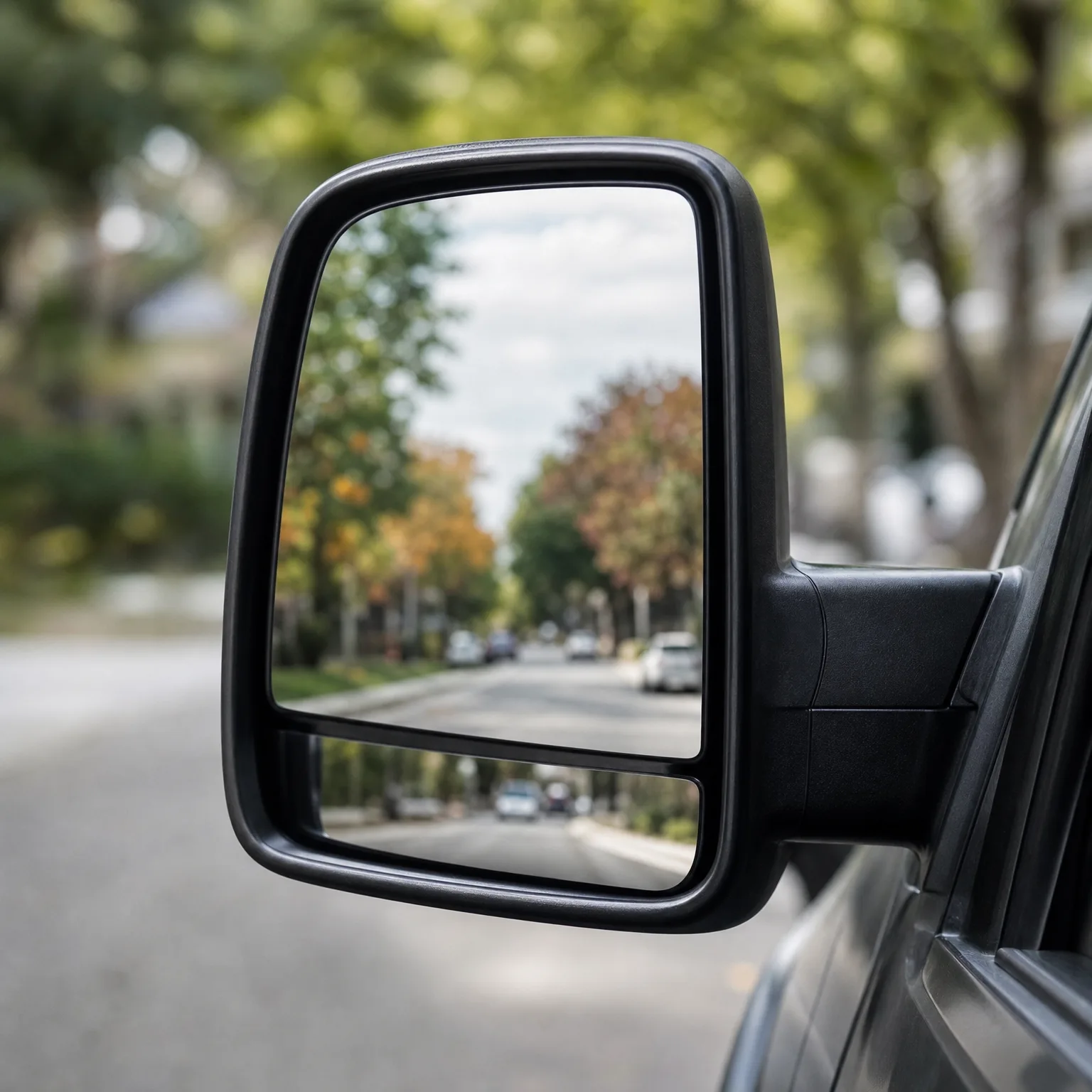
Driving is mostly a visual task. You judge distance, speed, and timing by what you see, and you adjust constantly based on things entering and leaving your field of view. Hearing matters too, for sirens or a horn, and touch and feel matter for the wheel and pedals, but almost every decision you make while driving starts with your eyes picking something up first.
That's why license renewal almost always includes a vision check, especially as you get older. It isn't a judgment about your overall ability, it's a direct test of the one input driving relies on most. A small change in sharpness, peripheral range, or night vision can change your reaction time before you'd notice it yourself.
This is also why vision changes affect insurance pricing indirectly. Insurers don't ask about your eyesight directly in most cases, but they do pay attention to license status, any restrictions placed on it, and your driving record. If a vision issue leads to a restricted license, like daytime only, that restriction becomes part of how they see your risk.
Where this varies is in how states test vision and how often. Some states require a new vision test at every renewal once you reach a certain age, others only check periodically or rely on self-reporting. Check your state's DMV rules so you know what's coming and when, rather than finding out at the counter.
The short version
Vision is the sense driving depends on most, since nearly every driving decision starts with something you see. That's why license renewals test it, and why a vision-related restriction can affect how insurers view your risk. Get your eyes checked regularly and keep your license status current.
Will a vision problem automatically raise my insurance rates?
Not by itself. Insurers generally don't ask about your eyesight directly or see eye exam results. What affects your rate is what happens as a result, mainly your driving record and your license status.
If a vision issue leads to a restricted license, like a daytime-only restriction, or if it contributes to a citation or accident, those things do show up in how an insurer prices your policy. But simply needing glasses, or having your vision checked more often at renewal, doesn't change your rate on its own. The best move is to keep your vision corrected and current, follow any restriction exactly, and keep your record clean. That protects both your license and your rate far more than the eye exam itself does.
Now that you know how vision fits into your license and your rate, compare quotes to see where you stand.
A driver gets a restriction added at renewal
A driver in their early 80s went in for a routine license renewal and failed the vision portion of the test. The DMV didn't take the license away, but added a daytime-only restriction until she got an updated prescription and retested. She was frustrated at first, since she hadn't noticed any real change in her driving.
She got new glasses within a few weeks, scheduled a retest, and the restriction was lifted once she passed. In the meantime, she simply avoided driving after dark, which she realized she rarely did anyway. Her insurance rate didn't change during the restricted period, since she had no accidents or citations, and once the restriction was lifted her record showed nothing unusual at all. The whole episode cost her some scheduling hassle, not her independence.
A restriction is a fixable flag, not a verdict, and fixing it fast protects your license and your rate.