What Not to Say to an Insurance Adjuster
Don't guess, apologize, or estimate anything, because an adjuster's job is to find reasons to pay you less.
Say less than you think you need to
- Don't say sorry Apologizing sounds like admitting fault, even when you're just being polite. Describe what happened without judging who caused it.
- Don't guess at injuries Saying you feel fine can be used against you later if pain shows up days after. Tell them you're still being checked out by a doctor.
- Don't estimate speed or distance A rough guess becomes a fact in their file, even if you were wrong. Say you don't know exact numbers if you don't.
- Don't accept the first offer Early offers are written to close the claim fast and cheap. Ask for the offer in writing and take time before answering.
- Don't rush the statement You don't have to answer on the spot, even if asked to. Get details about the claim in writing first and respond when you're ready.
A fender bender that got complicated fast
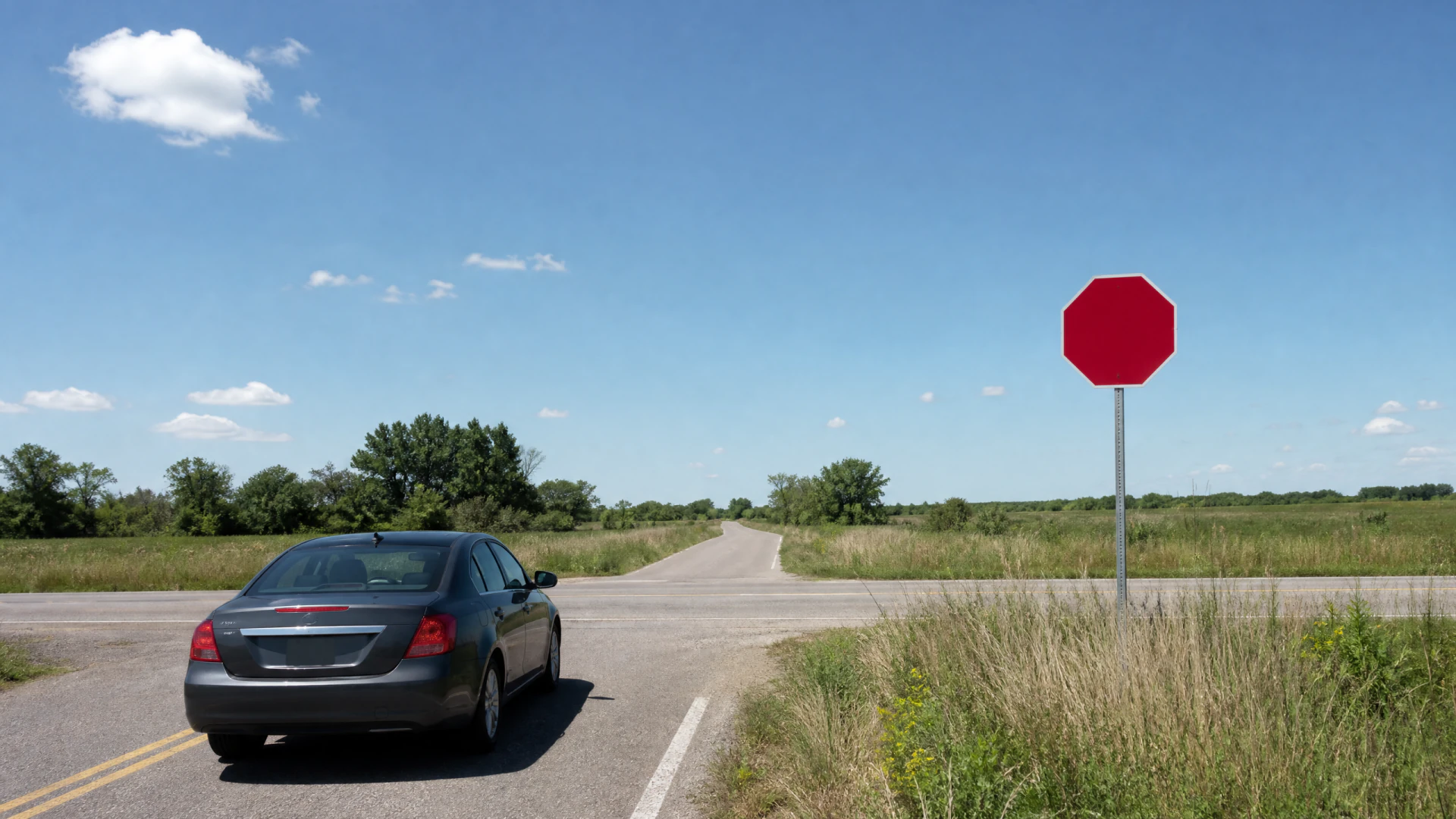
You're rear ended at a stop sign. The other driver's insurer calls the next day asking how you're feeling. You say you're sore but think you're fine, since nothing feels broken. You also mention you probably should have left more room ahead of you, just making conversation.
Two days later your neck pain gets worse and you see a doctor, who finds a strain that needs treatment. When you file for those costs, the adjuster points to your own recorded comments, both the part about feeling fine and the part about following distance, to argue your injury isn't related to the crash and that you share the blame. You spend weeks providing medical records and a written statement to undo damage that a few careful words would have prevented. The claim eventually gets paid, but slower and with more back and forth than it should have taken.
What if the adjuster already has a recording of me?
You can still clarify or correct what you said. A recorded statement isn't the final word on your claim, and adjusters expect people to misspeak, especially right after a stressful event.
Put your correction in writing, calmly and specifically, naming what you said and what you meant instead. If you mentioned feeling fine before seeing a doctor, follow up with medical documentation showing what was found later. The written record you create after the fact carries real weight, especially if you send it before the claim is decided rather than after you've been denied.
Now that you know how to protect what you say, compare quotes with an insurer that won't need correcting later.
Do I have to talk to the other driver's insurance company at all?
No, you're not required to give them a statement, recorded or otherwise. You can direct them to your own insurer or an attorney instead. Check your state's rules, since some require basic cooperation with your own insurer even if not with the other side.
Can what I post on social media hurt my claim?
Yes, adjusters do look, and photos or posts can be used to question your injuries or story. A photo of you smiling at an event can be twisted to suggest you're not hurt, even if the picture is old. Keep your accounts private and avoid posting about the incident at all.
Should I get my own estimate before talking to the adjuster?
It helps, because it gives you something concrete to compare their offer against. An independent repair estimate shows the real cost rather than relying on their number alone. Check whether your policy requires using specific shops, since that can affect which estimates count.
Every word you give an adjuster becomes part of their case against your claim, not just a conversation.