What Time of Day Has the Least Cars on the Road
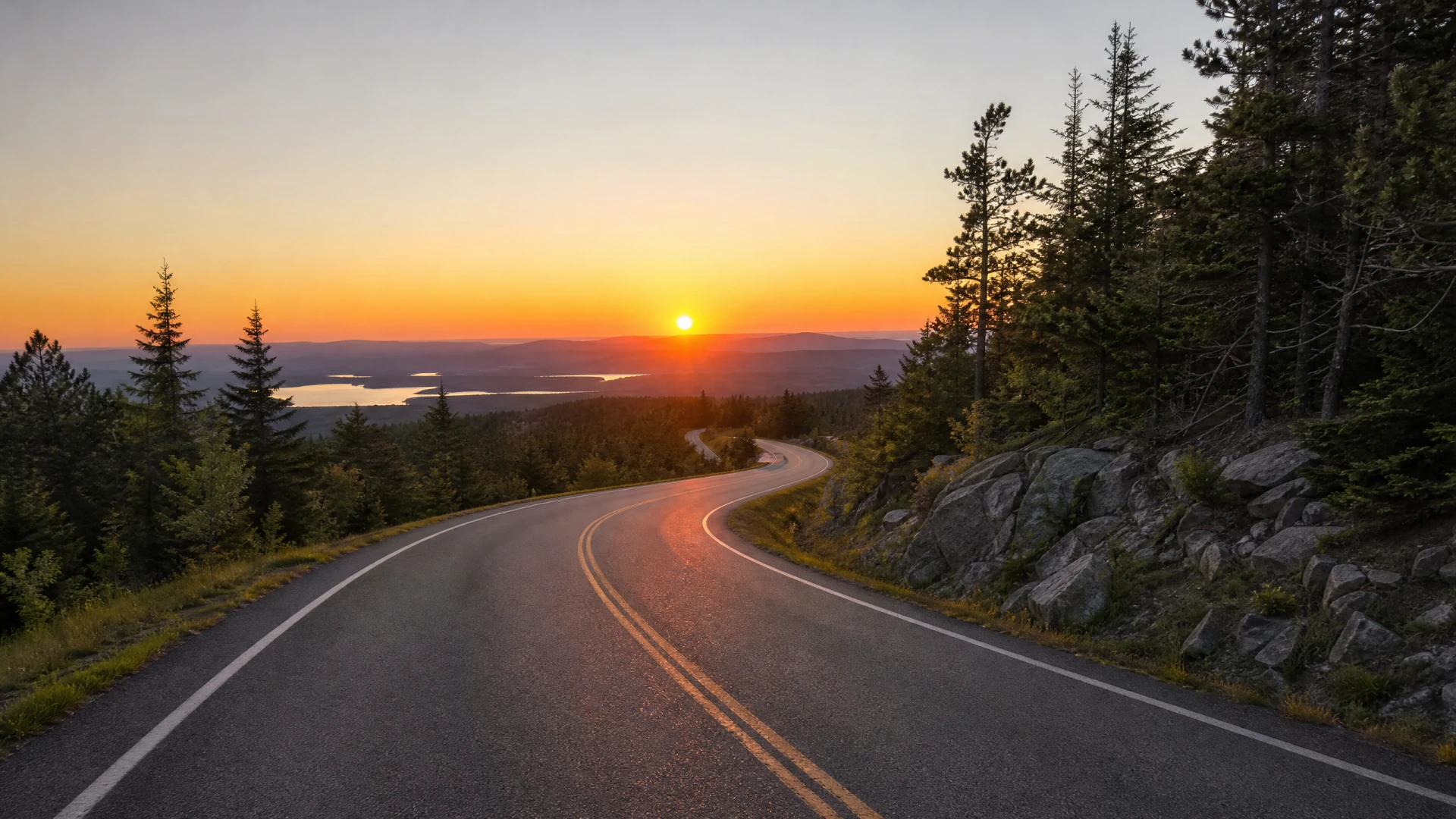
Mid-morning, right after the early rush, usually has the least traffic, with late morning and early afternoon close behind.
Traffic follows the rhythm of everyone else's day
Roads empty out when most people are already where they're going. Early morning brings the commute crowd, late afternoon brings them home again, and school schedules add a second wave on each end. Once that first rush clears, usually a bit after the morning commute, the road has far fewer cars until the afternoon buildup starts.
The exact timing shifts depending on where you live. A small town with no real commute won't have the same pattern as a city with heavy rush hours. Weekends behave differently too, since the morning rush disappears but errands and events create their own smaller waves later in the day.
Weather and season matter as well. Shorter winter days push some errands earlier, and summer vacation periods can thin out weekday traffic even during normal rush hours. If you drive the same route often, watching how it behaves over a couple of weeks tells you more than any general rule.
The point isn't to find a perfect empty road. It's to find a window where traffic is lighter, drivers are calmer, and you have more room to react if something unexpected happens.
How to find your own quiet window
- Watch your usual route Notice which times feel calmer when you already drive somewhere regularly. Your own observations beat any general rule, since local patterns vary block by block.
- Avoid both rush periods Early morning and late afternoon carry the heaviest traffic almost everywhere. Plan errands for the stretch between them whenever your schedule allows it.
- Check school zone times Traffic near schools spikes sharply at drop off and pickup. Routes that are quiet midday can suddenly fill up right around those windows.
- Reconsider weekends separately Weekend traffic follows a different shape than weekdays, often building later in the morning. Don't assume a weekday quiet hour stays quiet on a Saturday.
- Build in a buffer Leave a little earlier than you think you need to. A calmer road loses its benefit if you're rushing to make up time.
Driving during the quieter hours
If you do
You get more space between cars, more time to react, and fewer sudden lane changes around you. Parking lots are calmer too, which matters for errands. It's one of the simplest ways to make a routine drive feel easier without changing anything else about how you drive.
If you don't
Driving during rush periods means more merging, more sudden stops, and less room for error from drivers around you. It's still manageable with care, but it asks more of your attention and reflexes than a quieter stretch of road would.
Once you've settled on a driving routine that feels comfortable, compare quotes to make sure your coverage fits it.
Does driving at quieter times actually lower your insurance rate?
Not directly. Insurers don't track what time of day you personally drive, so choosing quieter hours won't by itself change your premium the way a clean driving record or safety course might.
What it can do is make driving easier and safer for you, which supports the record insurers do look at. Fewer tight situations on the road can mean fewer chances for a close call or an incident. Over time, a clean record built partly through smart timing still helps the same way any clean record does. If a state or insurer offers programs based on actual driving data, through a device or app, then your real driving times could factor in more directly. That varies, so it's worth checking with your insurer if you want to know for certain.
Choosing calmer hours won't change your rate directly, but it supports the clean record that does.