What to Do if Your Headlights Are Too Bright
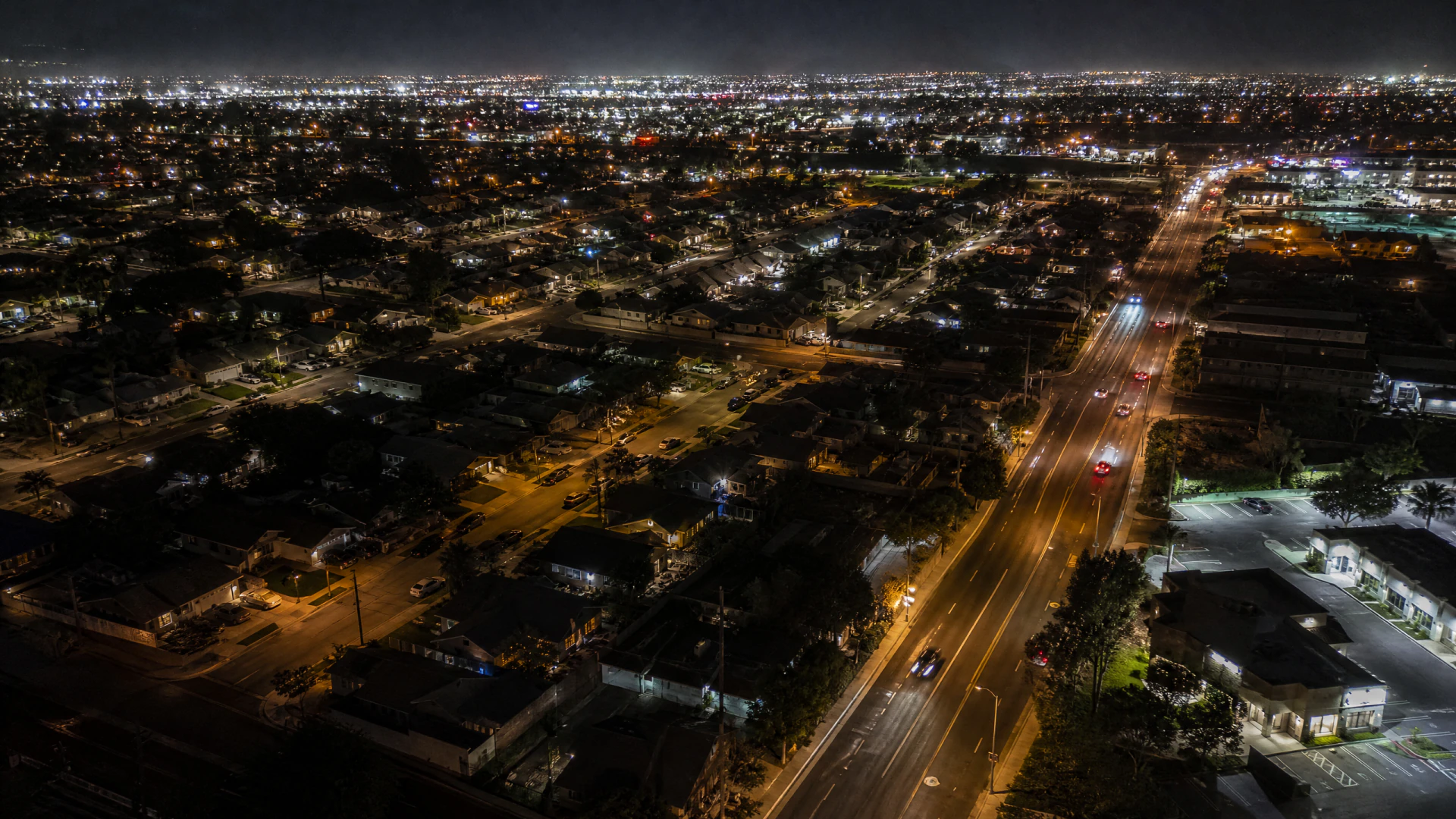
If headlights blind you at night, the fix is mostly about your eyes, your windshield, and your own headlight aim, not other drivers.
Why night glare gets worse as your eyes age
Your eyes change gradually over the years, and one of the first things to go is how fast your pupils recover after a bright light hits them. A headlight that a younger driver barely notices can leave you seeing a floating glare spot for several seconds. This is normal aging, not a sign anything is wrong with you, and it happens to nearly everyone eventually.
Part of what you're noticing is also real. Headlights genuinely have gotten brighter and whiter over the last couple decades, since many newer cars use different bulb technology than older models did. So it isn't only your eyes, it's also the cars around you changing.
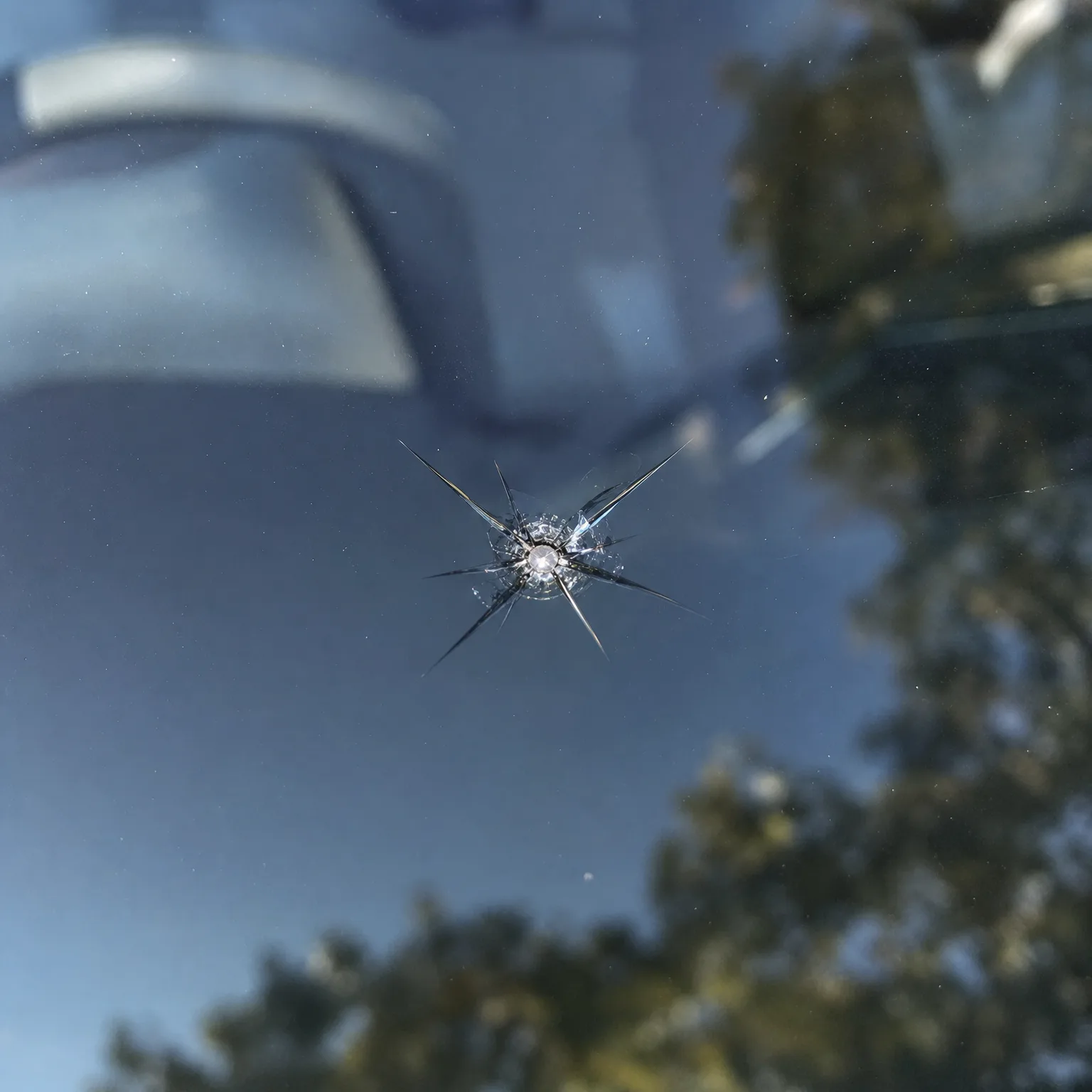
Your windshield plays a bigger role than most people realize. A windshield with small pits, scratches, or a film of road grime scatters light in ways that make glare worse, turning a single headlight into a smear across your whole field of view. This is one of the few causes that's fully within your control and cheap to fix.
What varies is how your state handles headlight aim complaints and whether an eye exam is part of your license renewal. Some states test night vision or require periodic vision checks, others don't. Check your state's licensing agency to see what applies to you, since that shapes whether this is something to raise at your next renewal.
What actually helps with headlight glare
- Get your windshield checked Pits and grime scatter light and make every headlight worse than it needs to be. Have it cleaned inside and out, and replaced if it's pitted or scratched.
- Get an eye exam Night glare sensitivity is often an early, fixable sign of cataracts or another vision change. An exam tells you what's happening and what can be corrected.
- Check your own headlight aim If people flash you often, your headlights may be misaimed or sitting too high. A shop can check and adjust the aim in a few minutes.
- Adjust your mirrors at night Tilt your rearview mirror to its night setting and angle side mirrors slightly outward. This cuts the glare bouncing in from behind without losing visibility.
- Plan routes around glare If certain roads are consistently bad, choose alternatives when you can. This isn't giving anything up, it's just smart choice of a route for a particular drive.

A driver who thought other cars were the problem
One driver in her early 80s started avoiding evening church events because oncoming headlights left her seeing spots for what felt like a block afterward. She assumed newer cars just had absurdly bright lights now and there was nothing to do but stay home after dark. Her daughter suggested an eye exam before giving up on evening drives altogether.
The exam found early cataracts, which explained most of the glare sensitivity, and her optometrist referred her for an evaluation. While she waited, she also got her windshield replaced since it had years of small pits she'd stopped noticing. Between the two, her night driving improved enough that she kept going to evening events, and after her cataract treatment the glare issue mostly resolved. She still avoids one poorly lit road out of habit, but that's a choice now, not a limitation.
Once you know what's behind your headlight glare, compare quotes knowing your night driving won't count against you.

Whether you get your eyes and windshield checked
If you do
You find out if the glare is your windshield, your headlight aim, or a vision change like cataracts. Most causes are fixable, often cheaply, and you keep driving the evening routes and events that matter to you without cutting back.
If you don't
The glare likely gets worse gradually, and you may start avoiding more night driving without knowing why, assuming it's just how headlights are now. A fixable problem goes unfixed, and you lose evening independence you didn't have to lose.
Could headlight glare affect my license or my insurance?
Not directly, and not from glare alone. No insurer or license agency tracks whether you find headlights too bright. What can matter is the underlying cause, since significant untreated vision changes are what license renewal vision tests and insurers actually care about.
If an eye exam finds something like cataracts, getting it addressed is what protects both your license and your rates, not avoiding the topic. Treated vision issues generally don't affect your coverage or renewal at all. The glare itself is just a signal worth listening to, not something to report or worry over on its own.