What to Do When You Cannot Drive
When you stop driving, you don't just cancel your policy, you work through coverage, your license, and the car itself in the right order.
The steps that protect you when you're done driving
- Don't cancel coverage yet If the car still sits in your driveway, it usually still needs some coverage even if no one drives it. Talk to your insurer before you cancel anything.
- Ask about a non-driver policy Many insurers offer reduced coverage for a car that isn't being driven, covering theft or damage but not liability. This can cost much less than a full policy.
- Decide on your license too Giving up driving doesn't mean you must surrender your license immediately. Some people keep it for identification, but check what your state requires if you stop renewing it.
- Plan for the car itself A car sitting unused can develop problems and may still need to pass inspection or registration. Decide whether to sell it, store it, or hand it down, and tell your insurer which you chose.
- Give the real reason why If you're stopping because of a health change, say so plainly. It affects what coverage makes sense and may open options you didn't know existed.
Can you get your money back for the time you won't be driving?
Often yes, at least partly. If you cancel a policy or switch to reduced coverage partway through a term, many insurers refund the unused portion, though how they calculate it varies by company and sometimes by state. Ask directly what happens to the remaining months before you make any change.
If you're not cancelling but switching to a lower tier of coverage instead, you may not get a refund so much as a lower bill going forward. That's often the better outcome anyway, since it keeps some protection in place in case the car is damaged, stolen, or involved in an incident even while parked. Ask your insurer to lay out both paths in plain terms, cancellation with a possible refund, or reduced coverage with a lower ongoing cost, so you can compare what each actually leaves you with.

Once you know how to handle coverage for a parked car, compare quotes to see what a reduced policy would cost.
Deciding what to do with a car no one drives anymore
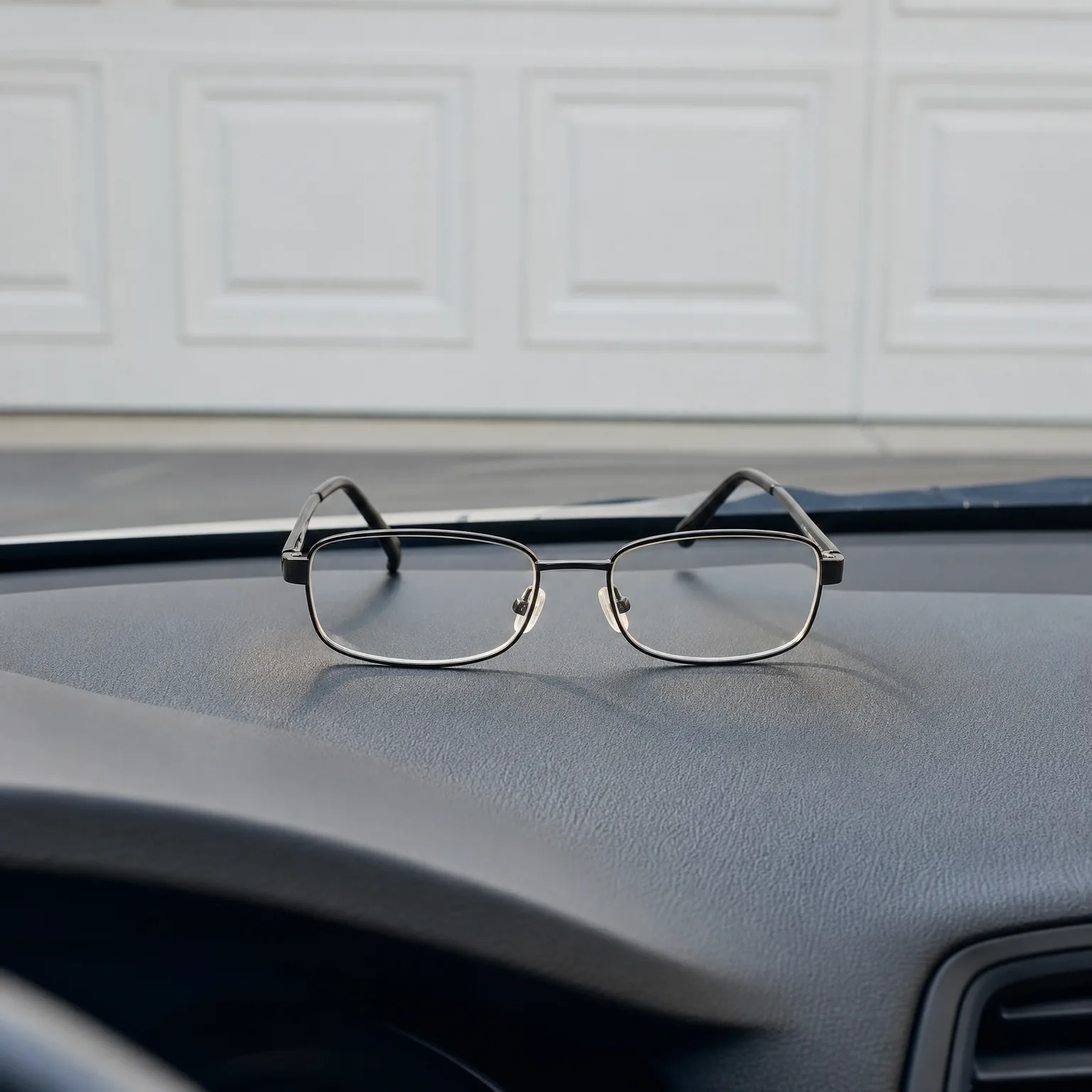
A reader stopped driving after a health change made it clear it was time to stop. The car stayed in the garage, and for a few months nothing happened with the policy because no one thought to change it. Then a renewal came through at the same cost as before, for a car that hadn't moved in months.
They called their insurer and asked what applied to a car that wasn't being driven. The insurer offered a reduced policy that kept coverage for theft, fire, and weather damage but dropped the liability portion, since no one was driving it. The cost came down by a real amount, and they kept that coverage in place while they decided whether to sell the car or pass it to a grandchild. A few months later they sold it, called again, and cancelled the policy entirely, getting back the unused portion of what they'd paid.
Why a parked car still needs a decision, not just a cancellation
A car that isn't being driven can still be stolen, vandalized, hit by another vehicle, or damaged by weather or fire. That's why most insurers don't treat a parked car the same as no car at all. The risk changes, but it doesn't disappear, and the policy should change to match the real risk rather than drop away entirely.
This is also why insurers separate liability coverage from the coverage that protects the car itself. Liability exists because of driving, so once you're not driving, that part of the cost can go away. But comprehensive coverage protects the vehicle as property, and property sitting still can still be damaged or stolen, so that part often stays even when driving stops.
Your license works on a different logic entirely. It isn't tied to your insurance policy, and giving one up doesn't require giving up the other. States treat licenses as a separate record, often with their own renewal rules and their own process if you decide to let it lapse or convert it to an identification card instead.
Where this plays out differently is when health is the reason behind the change. If a condition affects your ability to drive safely, that can matter to your insurer even if you've already stopped driving, especially if the car might be driven again or by someone else in the household. Telling your insurer the full picture lets them match coverage to your actual situation instead of guessing at it.
What happens to my car insurance if I stop driving but keep the car?
You typically shift to a reduced policy rather than cancelling outright. This keeps protection against theft, fire, and weather damage while dropping the liability portion tied to actual driving. Check with your insurer about what this reduced coverage is called and what it costs, since the options and names vary by company.
Do I have to give up my driver's license if I stop driving?
Not usually, no. Many states let you keep a valid license even if you've decided not to drive, and some people keep it simply for identification. Check your state's rules on license renewal and whether an unused license eventually expires or requires anything different from an active one.
What should I do with a car I'm no longer driving?
Decide whether to sell it, store it, or give it to a family member, since each path affects your insurance differently. A sold car means cancelling the policy, a stored car may qualify for reduced coverage, and a car given to someone else usually means transferring title and starting a new policy in their name.