What Type of Headlight Is Best for Night Driving
For most night driving, upgraded halogen or factory LED headlights aimed correctly beat any bulb swap you can buy.
What actually improves your night vision on the road
- Aim matters more than bulb type A misaligned headlight wastes light no matter how bright the bulb is. Have a shop check your headlight aim, especially if you've noticed glare complaints or dark patches on the road.
- LED headlights see furthest Factory LED headlights throw a whiter, farther beam than halogen and hold their brightness longer over years of use. If your car came with LEDs, keep them and just replace failing ones with the same type.
- Stick with safe halogen upgrades If your car has halogen bulbs, look for upgraded halogen bulbs rated for more light output, not HID or LED conversion kits. Conversion kits often scatter light and can blind oncoming drivers.
- Clean and polish your lenses Cloudy or yellowed headlight covers cut your night visibility more than bulb choice does. Polish or replace foggy lenses before spending money on brighter bulbs.
- Check your state's bulb rules Some states restrict bulb color or brightness for aftermarket headlights. Check your state's vehicle equipment rules before installing anything other than factory-approved replacements.
Choosing new headlights after a close call on a dark road
A driver in her early 80s noticed she was having trouble seeing road signs and pedestrians on her evening drives home from church. She still felt sharp and capable behind the wheel, but the dimness bothered her enough that she brought her car in for a look. The shop found her headlight lenses had yellowed with age and one bulb was dimmer than the other, both common problems after years on the road.
She had the lenses polished and replaced both bulbs with a matched, upgraded halogen pair rated for better output, since her car didn't come with LED headlights. She also asked the shop to check the aim on both headlights, which turned out to be slightly off. The combination made an immediate difference. Her night drives felt normal again, and she didn't need to change her driving habits or give up the trips that mattered to her.

Once your headlights are sorted, compare quotes to make sure your coverage still fits how you actually drive.
Why headlight type matters less than most people think
Headlight technology affects how far and how evenly light reaches the road, but it's only one piece of what determines how well you see at night. Bulb brightness interacts with lens condition, aim, and even your windshield's cleanliness. A dim-seeming headlight is often a maintenance problem, not a technology problem.
LED headlights generally produce a whiter light that's closer to daylight, which makes shapes and edges easier to pick out. Halogen light is warmer and slightly weaker by comparison, but a well-aimed, well-maintained halogen headlight still performs well for most driving. The gap between the two technologies matters more at highway speeds and on unlit rural roads than on familiar, slower routes.
Aftermarket HID or LED conversion kits marketed as upgrades often cause more problems than they solve. They're not designed for housings built for halogen bulbs, so the beam pattern scatters instead of focusing where it should. This creates glare for oncoming traffic and can actually reduce how well you see the road, even though the light looks brighter.
Where this plays out differently is in how your eyes respond to light as you age. Older eyes typically need more light to see clearly and recover more slowly from glare, which is why aim and lens clarity often matter more for you than bulb technology alone. A correctly aimed, clean, factory-matched headlight system will usually serve you better than a brighter bulb installed on top of existing problems.
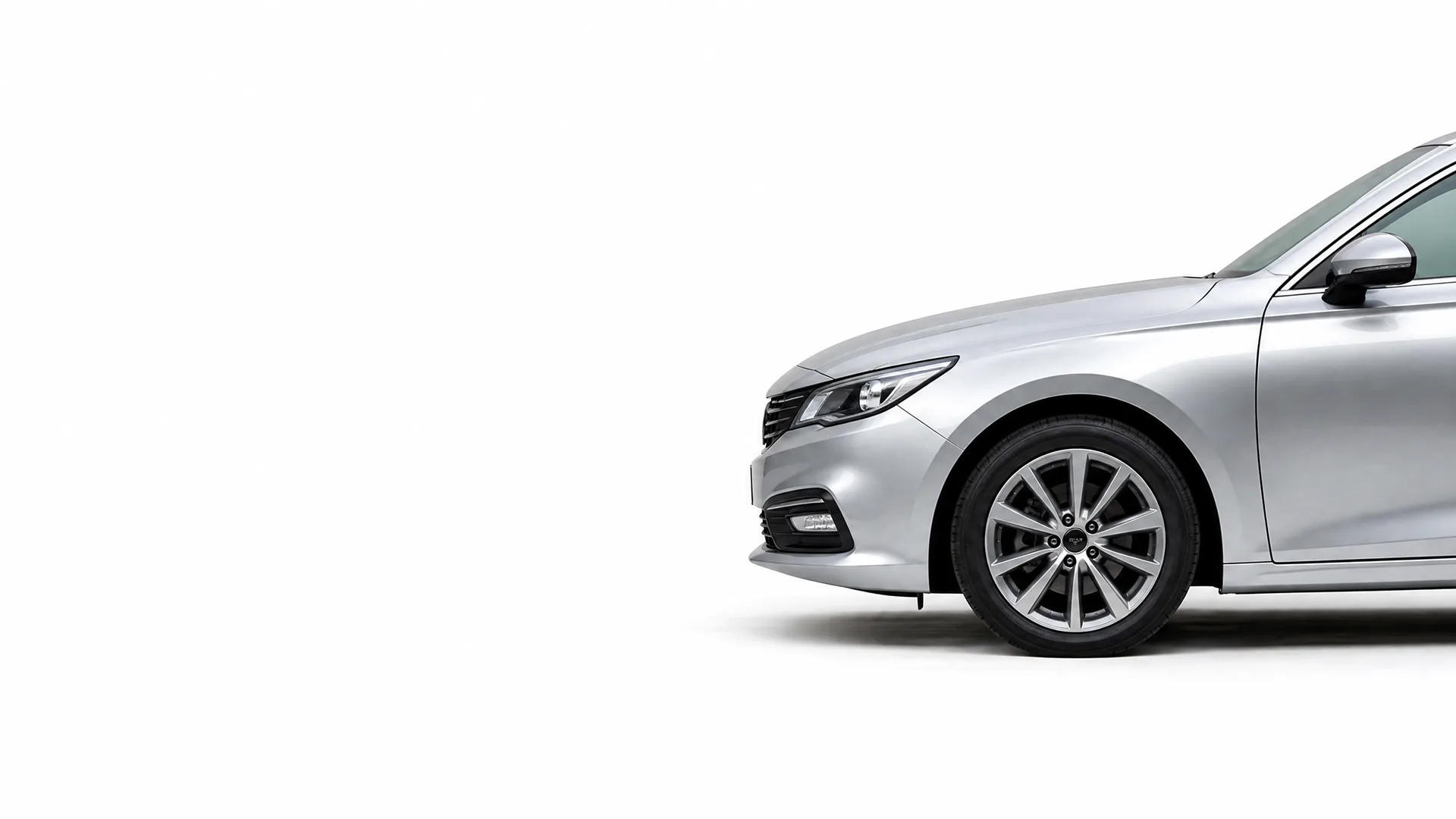
Your headlights are probably dimmer from age and grime, not from the wrong bulb type.
Will upgrading my headlights lower my car insurance rate?
Headlight upgrades alone typically don't change your insurance rate, since insurers price your policy based on broader factors like your driving record, location, and vehicle type rather than individual equipment upgrades. Better headlights can still help you indirectly by reducing your chances of a nighttime accident, which protects your driving record over time.
What does matter to insurers is whether your vehicle has advanced safety features like automatic high beams or adaptive lighting built in from the factory, since some insurers do consider these when calculating discounts. Check with your insurer directly to see what equipment they recognize, since this varies by company and sometimes by state. If your vehicle already has these features, make sure your insurer knows about them when you get quotes.