When Should You Not Use Adaptive Cruise Control
Turn adaptive cruise control off in heavy traffic, bad weather, on winding roads, and anywhere you need to react faster than it can.
It reacts to distance and speed, not to judgment
Adaptive cruise control watches the car ahead and adjusts your speed to keep a set following distance. That works well on open highways where traffic moves in a predictable line. It struggles the moment conditions ask for judgment instead of math, because the system only knows what its sensors can see directly in front of you.
Rain, snow, and fog can confuse the sensors or make them pull back their range, so the system may follow too closely or brake later than you'd like. Heavy traffic means cars merging and cutting in from the sides, which the system doesn't anticipate the way a person does. On curving or hilly roads, the sensor can lose track of the car ahead entirely, either speeding up when it shouldn't or missing a slowdown until late.
The system also assumes the driver is paying attention and ready to take over. It is built to assist, not to replace your judgment about merging, construction zones, or sudden hazards like an animal or debris in the road. In those moments, you need your foot on the pedal and your hands fully in charge, not a system calculating distance a half second behind reality.
This holds true no matter what car you drive, though the exact sensors and how quickly they react can vary by manufacturer. Check your owner's manual for how your system handles low visibility and sharp curves, since some are more conservative than others.
Will turning it off ever affect my insurance or my rates?
No, choosing not to use adaptive cruise control doesn't affect your insurance or your rates. Insurers price your policy based on your driving record, your vehicle, and other factors tied to risk, not on which driver-assist features you choose to use on a given trip.
What does matter is how you drive overall. If turning the system off in tricky conditions helps you avoid a crash or a near miss, that protects your record and keeps your rates where they are. The feature itself is a tool you control, not something an insurer tracks or requires you to use.
The feature follows distance, not danger, so you need to drive yourself when conditions turn tricky.
Once you know when to trust adaptive cruise control and when to take over, compare quotes with that confidence in hand.
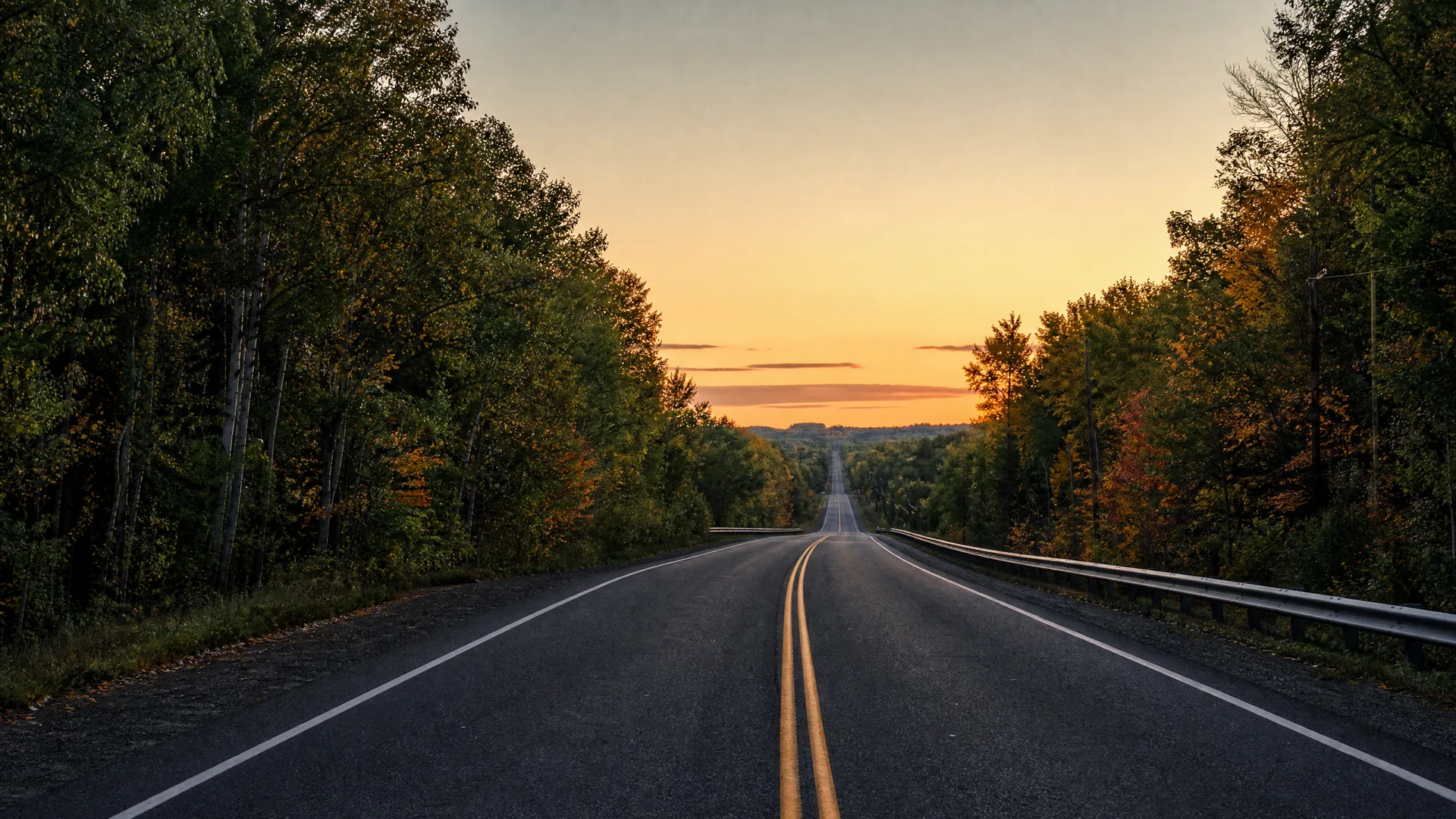
Switching it off when conditions call for it
If you do
You stay fully in control through rain, fog, heavy traffic, and winding roads. You react to merging cars and sudden slowdowns on your own timing, not the system's. Your following distance and speed match what you actually see, not just what the sensor picks up ahead of you.
If you don't
The system may hold a following distance that's too close for wet or icy roads, or miss a car merging in front of you. On curves it can lose the vehicle ahead and react late. You may find yourself correcting the car's speed manually anyway, which is slower than driving without it.

Situations that call for turning it off
- Heavy or merging traffic Cars cutting in or stop-and-go movement confuse the system's spacing. Switch to manual control so you can react to merges before the system does.
- Rain, snow, or fog Sensors can misjudge distance or lose the car ahead in poor visibility. Take over so your following distance matches real road conditions.
- Winding or hilly roads The system can lose track of the vehicle ahead on curves and hills. Drive manually through these stretches and switch back on straighter roads.
- Construction zones Lane shifts and sudden slowdowns aren't something the system anticipates well. Keep full control until you're clear of the work zone.
- Low light or glare Sun glare or darkness can interfere with the sensors reading the car ahead accurately. Switch off if you notice the system reacting slowly or inconsistently.
Driving home through an afternoon storm
You're on a familiar two-lane highway heading home when a storm rolls in fast, dropping visibility and slicking the road. Your adaptive cruise control has been keeping a steady distance from the truck ahead all afternoon, but as the rain picks up you notice the gap closing slightly before the system corrects it. You decide to turn it off and take the pedal yourself, widening your following distance beyond what the system had been holding.
A few minutes later the truck ahead brakes hard for standing water, and because you'd already given yourself extra room and were controlling your speed directly, you slow smoothly without any sudden reaction. Once the rain lets up and traffic opens up again, you switch the system back on for the rest of the drive. The choice cost you nothing and it meant you weren't relying on a system working at the edge of what its sensors could handle.