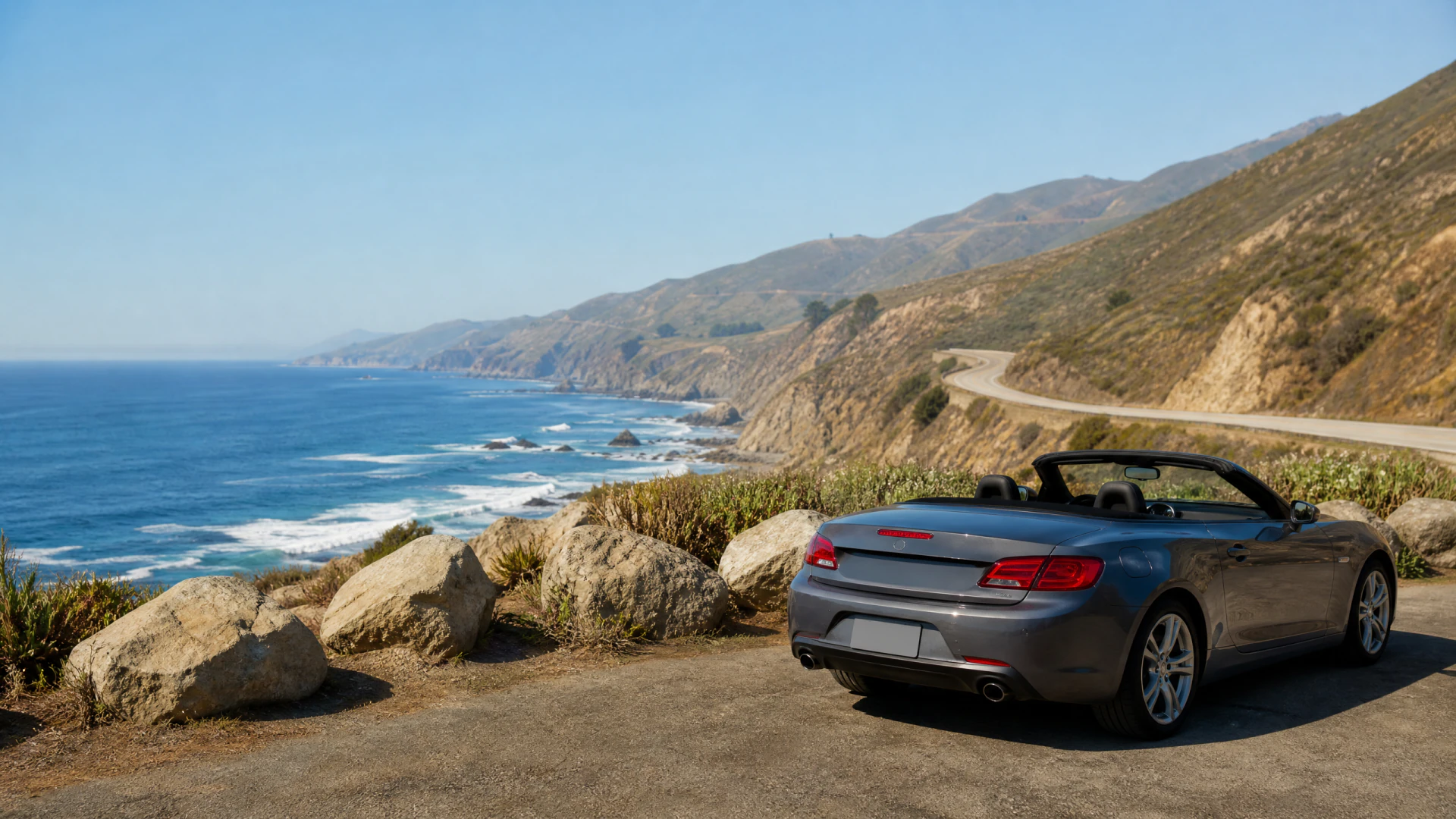
Whose Insurance Covers When a Friend Drives a Car
Your car's insurance covers the accident first, no matter who was driving it with your permission.

What decides whose policy pays
- Your policy follows the car Car insurance is tied to the vehicle, not the driver. If you lent your car to a friend and they caused an accident, your policy is the first to respond.
- Permission matters Coverage usually applies if you gave clear permission to drive. If the car was taken without your okay, that changes things, so only hand your keys to people you trust.
- Their insurer can follow behind If damages go beyond what your policy covers, your friend's own insurance may step in next. Ask them before lending the car if they carry solid coverage too.
- Your record feels it, not theirs A claim from this accident usually affects your history and your future renewal, even though you weren't driving. Think about that before you say yes.
- Rules shift by state and insurer Some states and some policies draw the line differently on permissive use. Call your insurer before lending your car regularly and ask how they handle it.
Lending your car for a Sunday errand
Say a friend comes by and asks to borrow your car for an hour to pick up groceries while their own car is in the shop. You hand over the keys without thinking twice, since you've known them for years and they're a careful driver. On the way back, another driver runs a stop sign and hits them. Your friend wasn't at fault, but the other driver has minimal coverage, and the repair costs climb higher than expected.
Your insurer steps in first, since the damage happened to your car while your friend was driving it with your blessing. They cover the repair up to your policy limits, and because your friend wasn't at fault, this claim shouldn't raise your rates the way an at-fault accident would. If the other driver's insurance eventually pays out, your insurer may recover some of what they spent. You end up with a repaired car, a bit of paperwork, and a clearer sense of how the coverage actually works when you lend your keys.
Does my rate go up if a friend crashes my car?
It can, especially if the accident was your friend's fault and the claim gets paid out under your policy. Insurers generally look at the car's claim history, not just who was behind the wheel, so a costly claim can follow your policy into the next renewal.
How much it affects you depends on your insurer's specific rules, whether you have accident forgiveness, and how the fault was determined. If the other driver was clearly at fault, the impact is usually smaller or nonexistent. Ask your insurer directly how they handle claims where someone else was driving, since this is one of those details that varies by company.
Knowing your policy covers the car no matter who drives it, compare quotes to confirm that coverage is strong enough.
Why coverage sticks to the car and not the driver
Insurance is built around the vehicle because that's the asset being insured and the thing most likely to cause damage to others. When you buy a policy, you're insuring that specific car for the risks it might create on the road, which is why the policy responds first regardless of who's driving, as long as they had your permission.
This is called permissive use, and most policies include it by default. The idea is simple. If you trust someone enough to hand them your keys, your insurer trusts that choice too, within reason. This protects both you and your friend, since neither of you wants to find out mid-accident that nobody's covered.
Where it gets more complicated is with repeated use. If a friend or relative drives your car often, some insurers expect you to list them on your policy, and if you don't, a claim could get questioned or even denied. The occasional afternoon loan is different from someone using your car several times a week, so it helps to be upfront with your insurer about how often this happens.
There are also cases where a friend's own policy becomes relevant, like when damages exceed your limits or when your policy excludes certain drivers. These situations are less common but worth understanding before you lend your car, not after. A quick call to your insurer answers most of these questions better than guessing.
The car carries the coverage, so who you hand your keys to matters more than you might think.
Do I need to list my friend as a driver on my policy?
Not for occasional use, but yes if they drive your car regularly. Insurers distinguish between someone borrowing your car once in a while and someone who uses it often enough to be considered a regular driver. If your friend borrows your car every week or for extended periods, call your insurer and ask whether they should be added. Leaving a frequent driver off your policy can create problems if a claim comes up, since the insurer may argue they should have been disclosed from the start.
What if my friend doesn't have a license or has a bad driving record?
Your policy may still cover the accident, but the details depend on your insurer's rules. Lending your car to an unlicensed driver or someone with a history of violations can raise questions about whether you gave permission responsibly. Some insurers may deny a claim or raise your future rates more sharply in this situation. Before lending your car to someone with a complicated driving history, it's worth checking with your insurer about how they'd handle that specific scenario.
Can I limit who is allowed to drive my car?
Yes, you can set your own boundaries about who borrows your car, separate from what your insurance requires. Some policies also let you formally exclude certain drivers, which can affect your rate and your coverage if that person ever drives your car anyway. If you want to keep a short list of trusted drivers, that's a personal choice, but check with your insurer about any formal exclusions on file so there's no confusion later.