Why Are Car Headlights So Blinding Bright Now
Headlights seem blinding now because of brighter bulbs, taller vehicles, and headlight angles that weren't common before.
Why headlights got so much brighter
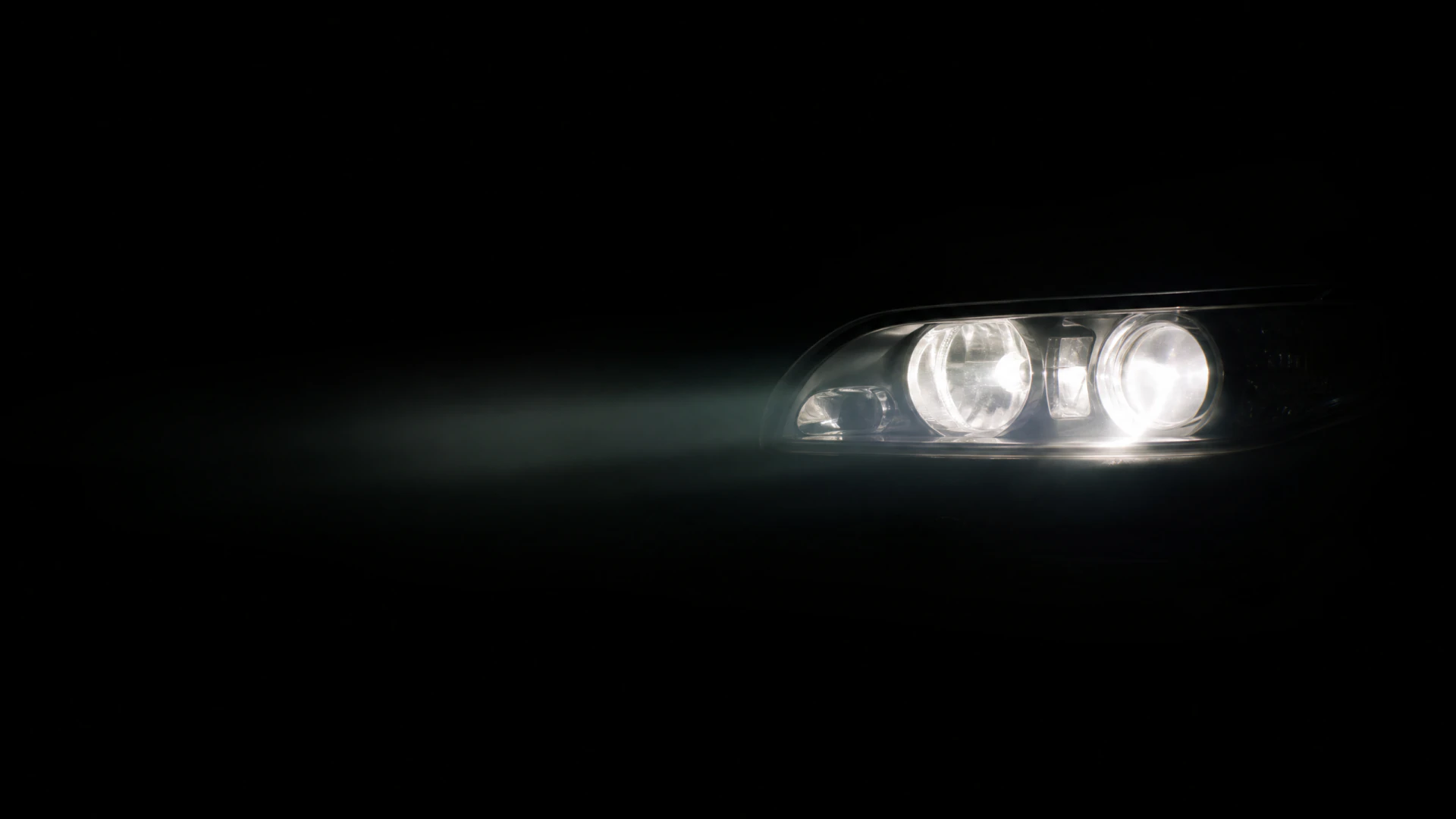
Headlight technology changed faster than most drivers noticed. Older headlights used a warmer, dimmer kind of bulb. Newer vehicles often use brighter white or blue-white bulbs that put out more light and a harsher kind of light, which your eyes register as glare even when the car is following the rules.
Vehicle height matters just as much as bulb type. Trucks and SUVs have become taller and more common on the road, which puts their headlights closer to eye level for someone in a regular car. That height difference alone makes oncoming headlights feel more intense, even if the brightness itself hasn't changed.
Your eyes are also part of this. As eyes age, the lens lets in light less efficiently and takes longer to recover after a bright flash. This is a normal part of aging, not a sign of anything wrong, but it means the same headlight that barely bothered you years ago can feel sharp and lingering now.
Headlight aim varies too. A headlight that's slightly misaligned, or a vehicle that's loaded down in the back, can tilt light upward into oncoming eyes. This isn't something you can fix from your own driver's seat, but it explains why some cars seem far worse than others on the same stretch of road.
The short version
Headlights feel more blinding now because bulb technology got brighter, vehicles got taller, and your eyes naturally take longer to recover from glare as they age. None of this means you're doing something wrong. Adjusting your mirrors, your glasses, and your driving times can make night driving noticeably more comfortable.
What's actually changed, and what helps
- Brighter bulb types Many newer cars use whiter, more intense headlights than the ones you grew up with. Ask your eye doctor about anti-glare coatings for your glasses if this bothers you.
- Taller vehicles on the road Trucks and SUVs sit higher, so their headlights hit your eyes more directly. Leaving more following distance gives your eyes more room to adjust.
- Slower eye recovery with age Eyes naturally take longer to recover from bright light as they age, which is normal. Glancing toward the right edge of your lane when a car approaches can reduce the direct glare.
- Mirror settings matter Many mirrors have a night setting that dims reflected headlight glare. Check your owner's manual if you're not sure your car has this.
- Driving times you control You can choose routes and times with less oncoming traffic if night glare is wearing you out. This is a practical adjustment, not a step back from driving.
Once you know why headlights feel brighter, compare quotes to make sure your coverage still fits how you drive.
Whether you adjust how you drive at night
If you do
You keep driving on your own terms, with routes, timing, and small habits that reduce glare. Night trips feel more manageable, and you stay confident behind the wheel without needing anyone else's help or permission to keep going.
If you don't
Night glare keeps catching you off guard, making trips after dark feel more tiring or stressful than they need to. Over time this might push you to avoid driving at night even for errands you'd otherwise handle easily yourself.
A drive home after dinner with friends
You're driving home after an evening out, something you've done for decades without a second thought. An oncoming truck's headlights hit you straight on, and the glare lingers longer than you expect, leaving spots in your vision for a few seconds after it passes. It rattles you more than it used to, and you wonder if something's wrong with your eyes or if the roads have just changed.
At your next eye appointment, you mention it, and your doctor explains that slower glare recovery is a normal part of aging and confirms your vision is otherwise fine. You also notice your mirrors were never set to the night position, so you switch that on and start glancing toward the right edge of the lane when a bright car approaches. The next few evening drives feel noticeably calmer. You haven't changed where you go or stopped driving at night, you've just adjusted a few small things that were in your control the whole time.