Why Do Headlights Bother My Eyes at Night
Your eyes are taking longer to recover from glare than they used to, and that's a normal part of aging, not a sign you're unsafe to drive.
Why glare hits harder as your eyes age
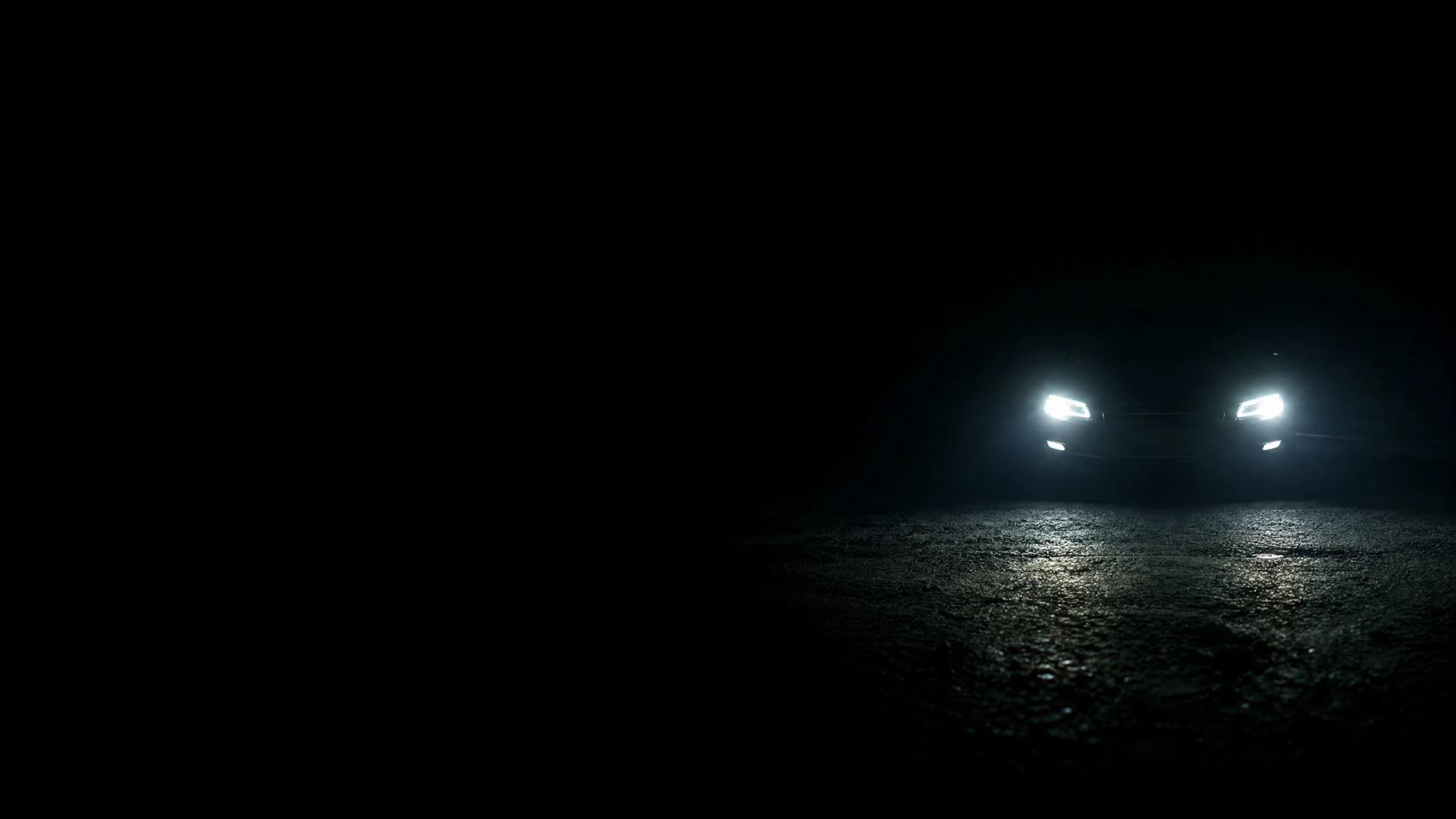
The lens inside your eye changes with age. It gets slightly cloudier and less flexible, even before cataracts become noticeable enough to treat. That cloudiness scatters light instead of focusing it cleanly on the retina, so a bright headlight doesn't just look bright, it looks like it's spreading into a glare across your whole field of view.
Your pupils also react more slowly. When a car approaches with bright headlights, your pupil needs to constrict quickly to cut the light down, then expand again once the car passes so you can see the dark road. Both of those adjustments take longer in older eyes. That lag is what makes the road feel briefly washed out or empty right after a car passes.
There's also a recovery part separate from the pupil response. The retina itself takes longer to reset after a bright flash of light, so your night vision returns more slowly than it did years ago. This is a separate aging process from both nearsightedness and farsightedness, so even a driver with perfect daytime vision can struggle with glare at night.
Sometimes the issue is a specific eye condition rather than general aging. Cataracts, in particular, make glare noticeably worse because the cloudy lens scatters light directly. If the glare has gotten sharply worse recently rather than gradually, or if it's affecting only one eye, that's a signal to get it checked rather than just adjusted for.
The short version
Headlight glare bothers older eyes because the lens clouds slightly and pupils react more slowly, both normal aging changes. It's not a sign you shouldn't drive. Get an eye exam to rule out cataracts, then adjust how and when you drive around glare.
Does this mean I should stop driving at night?
Not necessarily, and for many people the answer is to adjust rather than stop. If glare makes you uncomfortable but you can still track the road, read signs, and react in time, driving on familiar, well-lit routes at normal hours is often still fine.
The clearer signal is how you feel in the moment. If you find yourself braking for things that turn out to be nothing, losing the edges of the lane after a car passes, or feeling tense every time you're out after dark, those are reasons to pull back from night driving specifically, not driving overall. An eye exam will tell you whether there's a fixable cause behind it, which often changes the answer entirely.
Once you know whether this is normal aging or something to get checked, compare quotes with that settled.
What actually helps with headlight glare
- Get an eye exam Rule out cataracts or other conditions that make glare worse than normal aging would. This is the one step that tells you whether to adjust your habits or treat something underlying.
- Clean and aim your headlights Hazy headlight covers and misaligned beams make oncoming glare worse for you and make your own headlights harder on others. Have them checked at your next service.
- Look away from oncoming lights Shift your gaze slightly toward the right edge of your lane when a car approaches instead of looking at its headlights. This keeps you oriented without staring into the glare.
- Update your glasses prescription An outdated prescription makes glare scatter more and recovery slower. Ask specifically about anti-reflective coating, which cuts glare more than a standard lens.
- Plan routes and times around it Drive familiar, well-lit roads after dark and avoid unfamiliar highways at night if glare is a real problem for you. This keeps you driving without putting yourself in the hardest conditions.

Will glasses with anti-glare coating actually fix this?
They help significantly but don't eliminate the problem, since the glare response involves your pupil and retina, not just the lens of your glasses. Anti-reflective coating reduces the scatter and halo effect around bright lights, which is the part glasses can influence.
It won't speed up how fast your pupil reacts or how fast your night vision recovers after a bright light passes. If an exam shows your prescription is current and coated but glare is still bad, the cause is more likely age-related changes in the eye itself, worth discussing with your eye doctor directly.
Are yellow-tinted night driving glasses worth it?
Most eye doctors don't recommend them, despite how they're marketed. Yellow tints don't reduce glare and can actually darken your overall vision at night, which works against you when you need all the light you can get.
What helps instead is anti-reflective coating on clear lenses, a current prescription, and clean, properly aimed headlights on your own car. If you're drawn to the idea because glare is a real problem, raise it with your eye doctor instead, since they can tell you whether a coating or a vision check would help more than a tinted lens would.
Can cataract surgery get rid of the glare completely?
It often reduces glare dramatically, sometimes to the point where night driving feels normal again, because surgery replaces the clouded lens that was scattering the light in the first place. For many people, this is the single biggest improvement available.
It won't necessarily fix every part of the problem, though, since pupil response and retinal recovery still slow with age regardless of lens clarity. Most people still notice some glare after surgery, just far less than before. Your eye doctor can tell you, based on your exam, how much of your specific glare is coming from the lens versus general aging.