Why Do Oncoming Headlights Look Like Starbursts at Night
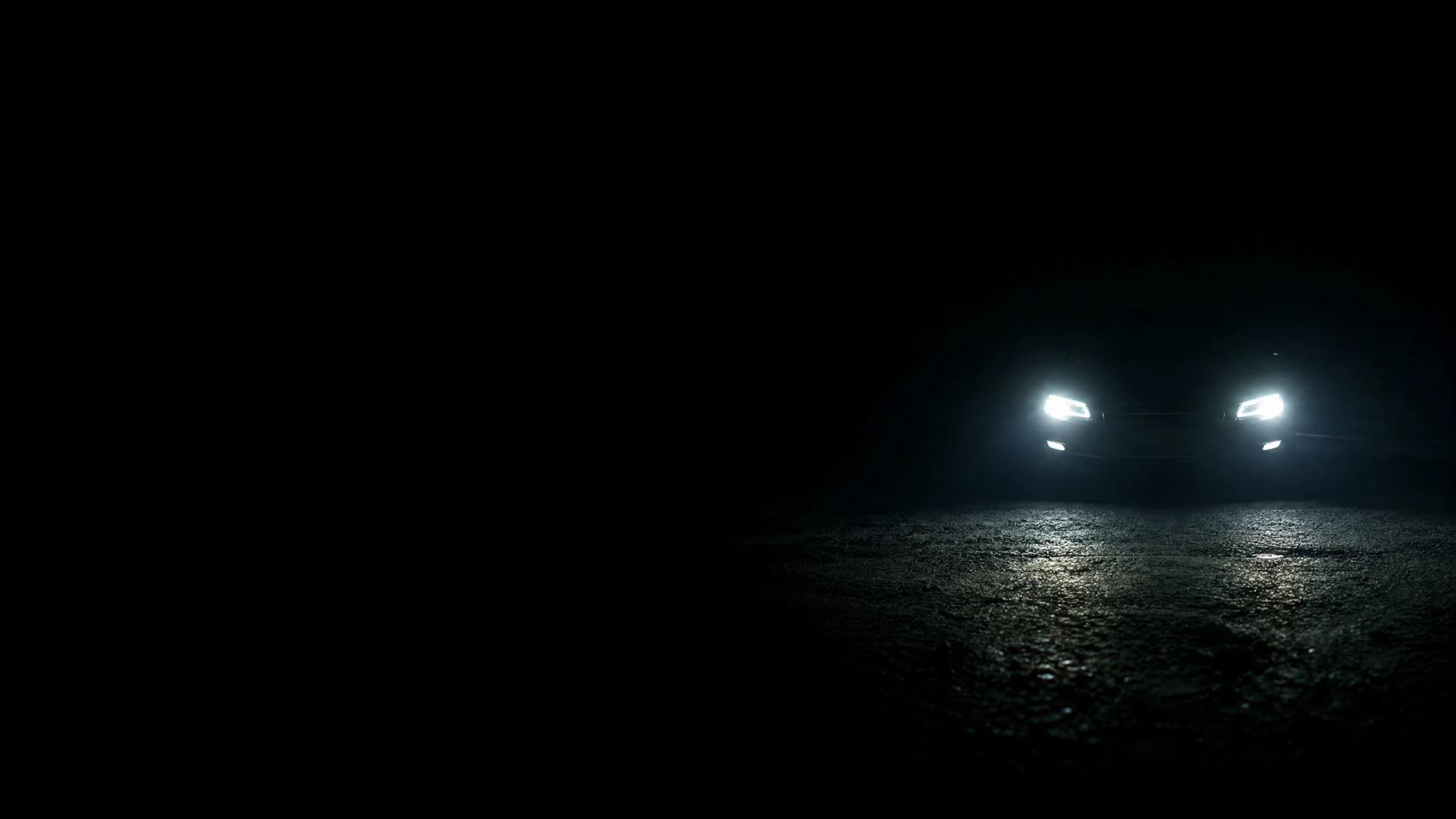
Starbursts around headlights at night almost always come from inside your eyes, not from the lights themselves.
It's your eyes bending the light, not the headlights making more of it
Light from a headlight should travel straight into your eye and land as a clean point on your retina. When something in the eye scatters that light before it lands, it spreads out into rays or a glow around the point, and that's the starburst you see. The scattering happens inside the eye, so the lights themselves haven't changed at all.
The most common cause at your age is the lens inside the eye becoming less clear. That lens is naturally transparent when you're young, and it gradually loses some of that clarity over the years. As it does, light passing through it scatters more instead of focusing cleanly, and bright points like headlights show it first because the contrast against the dark sky makes the scattering obvious.
Your pupils also play a part. At night your pupils open wider to let in more light, and a wider pupil lets light pass through more of the lens, including the edges where early changes often start. That's why starbursts tend to show up only at night or in dim conditions, even if your vision seems fine during the day.
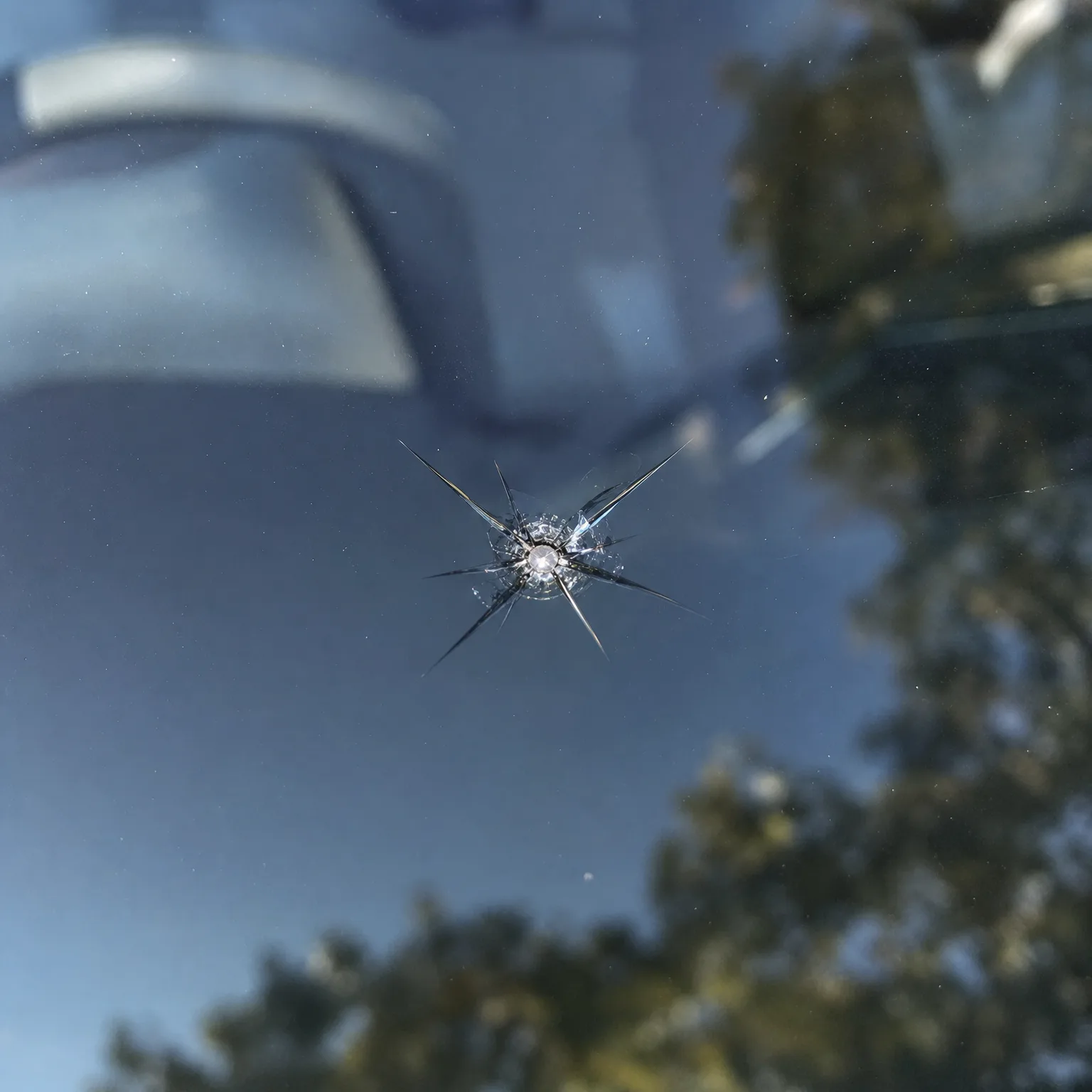
Other things can cause or worsen the effect, including dry eyes, certain prescriptions in glasses, or scratches on a windshield or glasses lenses. An eye doctor can tell you which of these applies to you and whether it's something to monitor or something to treat. The pattern itself is common and usually not a sign that your vision is suddenly unsafe, but it is worth having checked rather than assumed.
The short version
Starbursts around headlights come from light scattering inside your eye, most often because the eye's natural lens has become less clear with age. It's common and usually not an emergency, but have an eye doctor check it since treatable causes exist. Don't just assume it's permanent until someone's looked.
A driver noticed the glare only on familiar night routes
A woman in her early 80s who still drove herself to evening church events started noticing that oncoming headlights on the highway looked like bursts of light rather than clean points. Her daytime driving felt normal, and she could still read signs and recognize faces without trouble, so she wasn't sure if this was something to worry about or just a part of getting older.
She brought it up at her next eye exam instead of waiting for her license renewal. The exam found early changes in the lens of her eye, the kind that often cause glare at night before affecting anything else. Her doctor suggested a lens change in her glasses as a first step and scheduled a follow-up to watch for further changes. The starbursts eased with the new lenses, and she kept driving at night with more confidence, knowing she'd caught it early instead of guessing.
Once the glare is checked and understood, compare quotes knowing your driving status is accounted for honestly.
Does this mean I'll eventually have to stop driving at night?
Not necessarily, and for many people the glare is treatable or manageable rather than something that gets steadily worse. If the cause is an early lens change, options like updated glasses, anti-glare coatings, or eventually a lens procedure often reduce the effect significantly. Many people keep driving comfortably at night for years after noticing this.
The real answer depends on what an eye doctor finds and how the glare affects your actual ability to see clearly, not just whether it's annoying. Some people choose to limit night driving on their own simply because it feels more comfortable, which is different from being told to stop. The decision belongs to you and your doctor, based on what your eyes are actually doing, not on the symptom alone.

What to do once you notice the starbursts
- Get an eye exam soon This symptom is worth checking rather than watching on your own. An exam will show whether it's an early, treatable change or something else.
- Ask about night glare Mention that it happens mainly with oncoming headlights at night. This detail helps the doctor narrow down the cause faster.
- Check glasses and windshield Scratched lenses or a pitted windshield can scatter light the same way. Replacing or cleaning either one sometimes solves it entirely.
- Try anti-glare coatings If your glasses prescription needs updating anyway, ask about coatings made for night driving. They reduce scatter without changing how you see during the day.
- Reassess after treatment Don't decide to limit your driving based on the symptom alone. Make that call after the cause is identified and addressed.
Can cataracts cause starbursts around lights at night?
Yes, cataracts are one of the most common causes of this exact symptom. The clouding scatters light passing through the lens, and bright points like headlights show it clearly against a dark background. An eye doctor can confirm whether cataracts are present and how advanced they are. If they're the cause, treatment ranges from updated glasses in early stages to a lens replacement procedure later, depending on how much they affect your vision.
Will my eye doctor report vision changes to the license agency?
This depends entirely on your state, so check with your local licensing agency or your doctor's office directly. Some states require doctors to report certain vision conditions, while others leave reporting to the driver during renewal. Rules also vary on whether a vision test is required at every renewal or only at certain ages. Knowing your state's specific process removes the guesswork and lets you plan ahead instead of being surprised at renewal time.
Do glasses with anti-glare coating really help with headlight starbursts?
Yes, for many people they reduce the effect noticeably, especially if the glare comes from the lens surface of the glasses rather than the eye itself. The coating cuts down on light scattering as it passes through the lens. It won't fix glare caused by changes inside the eye, like an early cataract, so it works best alongside an eye exam that identifies the actual source of the problem first.