Why Do Some People Avoid Highways
Avoiding highways is a reasonable way to manage speed, merging, and quick decisions that feel harder than they used to.

What's behind the choice to skip the highway
- Speed and reaction time Highway speeds leave less room to react if something goes wrong. Sticking to roads with slower traffic is a sound way to keep driving comfortably.
- Merging and lane changes Judging gaps in fast traffic gets harder with age. Choosing routes with simpler entries and exits removes that pressure without cutting out your trips.
- Vision and glare Bright sun, headlights, and long sightlines can tire your eyes faster on highways. Driving on local roads at your own pace often feels easier on the eyes.
- Confidence, not ability Avoiding highways doesn't mean you can't drive well. It means you're matching your route to the conditions where you feel most in control.
- How insurers see this Insurers look at where and how you drive, not just your age. Telling your agent you avoid highways can sometimes work in your favor when they build your rate.

A driver who switched to back roads and kept her rate steady
A woman in her early eighties noticed her renewal had crept up two years running. She still drove herself to church, the pharmacy, and her sister's house, but she had quietly stopped taking the highway a while back, preferring the slower route through town even though it took longer.
When she called her agent to ask about the increase, she mentioned this in passing. The agent asked a few questions about her typical trips and her clean driving record, then flagged her file for a safe driver conversation. Her rate didn't drop dramatically, but the increase she was expecting the next year didn't happen. She kept her routine exactly as it was, just with one honest phone call added to it.
Will avoiding highways eventually lower my insurance rate?
It can help, but it isn't a guaranteed discount on its own. Insurers set rates mainly from your driving record, your vehicle, and broad risk factors tied to age and location, so where you choose to drive is just one piece of that picture.
What moves the needle more directly is telling your insurer about your driving habits when they ask, especially if you qualify for a defensive driving course or a mileage based program. Avoiding highways supports a case for being a careful, deliberate driver, but you have to make that case yourself. The number to watch isn't whether you drive on highways, it's whether your agent actually knows how and where you drive now, compared to years ago.
Compare quotes to find insurers that reward the careful, steady routes you already choose to drive.
Why the highway feels different as you get older
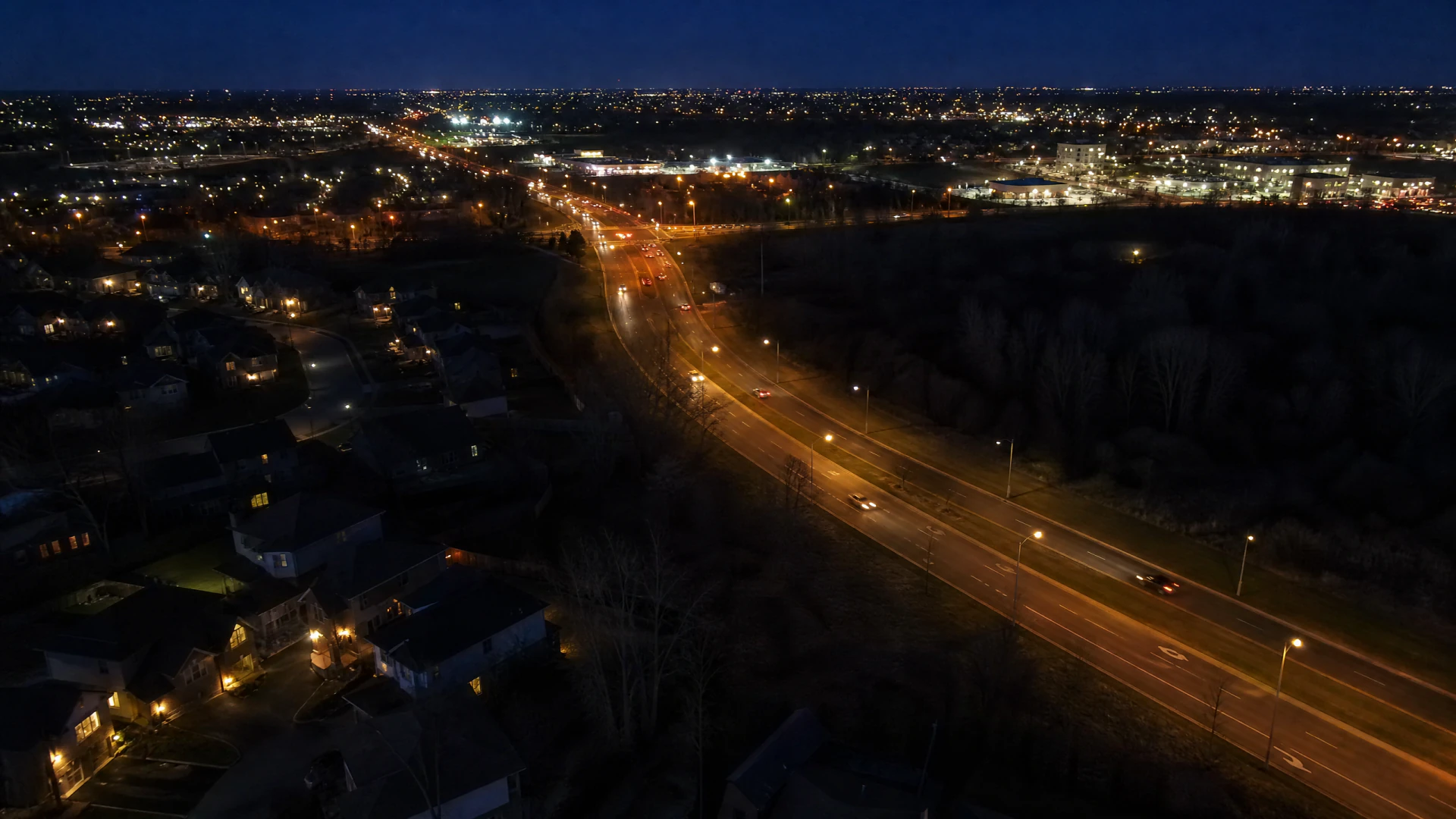
Highways demand quick, continuous decisions. You're judging the speed of cars behind you, the gap in the next lane, and the exit coming up, often all at once. As reaction time and peripheral vision shift with age, that stream of fast decisions takes more effort than it used to, even for someone who has driven for most of their life without an incident.
Local roads spread those decisions out. Stop signs, slower speeds, and shorter sightlines give you more time between each choice. That's not a lesser way to drive, it's a different risk profile, and your brain and body may simply work better with that rhythm now. Many experienced drivers make this shift gradually, often without consciously deciding to.
Insurers care about outcomes, not routes. They price risk based on patterns like at fault accidents, claims history, and sometimes mileage or location. Avoiding highways doesn't show up as a line item on a policy, but the habits behind that choice, slower speeds, shorter trips, familiar roads, often correlate with fewer claims. That's why mentioning your routine to an agent can matter more than the routine itself.
Where this plays out differently is in rural areas, where the highway might be the only practical way to reach a doctor or grocery store. In that case, the choice isn't really about preference, it's about necessity, and planning around traffic patterns or time of day becomes the more useful tool than avoidance altogether.
The highway isn't a test you're failing. Choosing a different road is still choosing to drive.