Why Is Driving at Night Harder as You Get Older
Your eyes need more light and more time to adjust as you age, which makes glare, dim roads, and quick decisions at night genuinely harder.
Why your eyes struggle more once the sun goes down
The lens in your eye naturally thickens and yellows over the decades, and the pupil doesn't open as wide in the dark as it used to. Less light reaches the back of your eye, so dim roads look dimmer to you than they do to a younger driver sitting right next to you. This isn't damage or disease, it's just how the eye ages.
Glare becomes a bigger problem too. Oncoming headlights scatter more inside an older lens, which creates a hazy halo that can block your view of the road for a second or two longer than it used to. That recovery time after a bright light passes also stretches out with age, so one pair of headlights can leave you half-blind for longer than you'd expect.
On top of the vision changes, the eye takes longer to switch between a lit dashboard and a dark road, and depth perception at low light can soften slightly. Reaction time also slows a bit with age, which matters most when a decision has to happen fast, like a deer stepping into the road or a car braking suddenly ahead.
None of this means every older driver struggles equally. Some people keep sharp night vision well into their 80s, especially with good eye health and updated glasses, while others notice changes earlier. An eye exam that checks specifically for glare sensitivity and contrast, not just the standard reading chart, is the clearest way to know where you stand.
What actually helps you drive safer after dark
- Get a glare-specific eye exam A standard vision test can miss glare sensitivity and contrast problems. Ask your eye doctor to test those specifically, since that's usually the real issue at night.
- Clean and aim your headlights Hazy headlight covers or misaligned beams cut your visibility substantially. Have them checked or replaced, it's an easy fix with a real payoff.
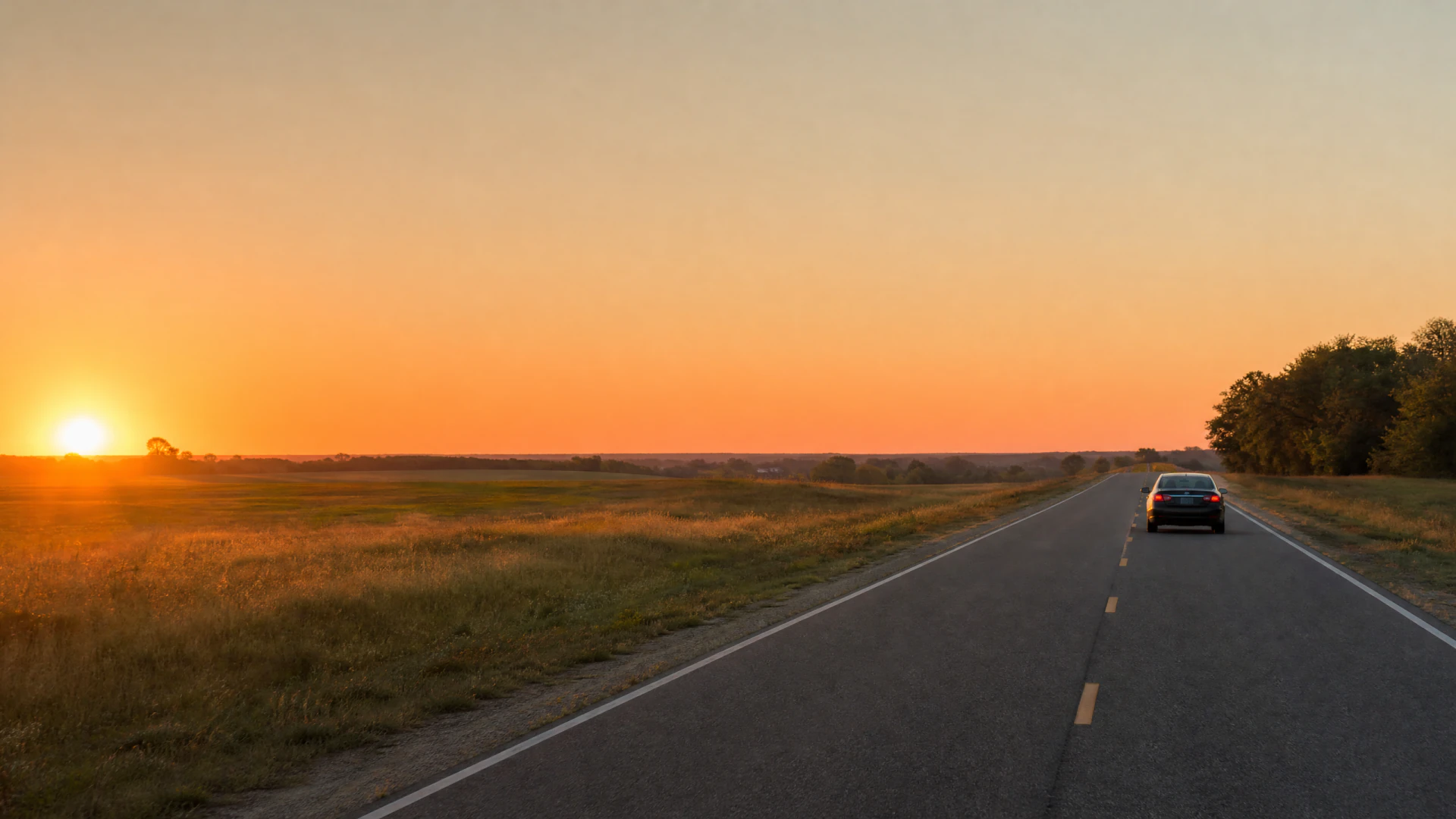
- Avoid peak glare hours Dusk and the hour after sunset often have the worst mix of dim light and oncoming headlights. If you can shift errands earlier, your eyes get an easier job.
- Update your glasses prescription Even a slightly outdated prescription makes night driving harder. Get your prescription checked yearly and ask specifically about anti-reflective lens coatings.
- Plan routes with better lighting Well-lit main roads are easier on aging eyes than dark back roads. Choose the brighter route even if it takes a few extra minutes.
The problem is almost never your driving skill, it's how much light your eyes can actually use.
Once you know what's really changing at night, compare quotes to find coverage that matches how and when you drive.
Should I just stop driving at night altogether?
Not necessarily. Many older drivers simply limit night driving to familiar, well-lit routes rather than cutting it out completely, and that's a reasonable middle ground.
The decision depends on how pronounced your glare sensitivity is and how comfortable you feel after dark. If headlights are leaving you disoriented for several seconds, or you find yourself slowing dramatically to compensate, those are signs to cut back. If an updated prescription and cleaner headlights solve most of the discomfort, you may not need to change much at all. Talk it through honestly with your eye doctor rather than deciding based on worry alone.
Does night driving ability affect my car insurance rate?
Not directly, insurers don't track what time of day you drive. What matters to them is your overall record, so if vision changes are affecting your driving, a clean record still works in your favor. Check your policy for any telematics or usage program that might read patterns in your driving times.
Can special glasses fix night driving glare?
Some lens coatings reduce glare, but yellow-tinted 'night driving' glasses marketed for this often don't help and can even reduce contrast. Ask your eye doctor about anti-reflective coatings instead, which have real evidence behind them. What changes the answer is your specific glare sensitivity, which an exam can measure.
What time of evening is actually hardest for older drivers' eyes?
Dusk and the hour right after sunset tend to be hardest, since your eyes are shifting between daylight and darkness while other drivers haven't turned headlights on yet. Full dark with headlights on is often more predictable. Check sunset times for your area and season to plan around that window.