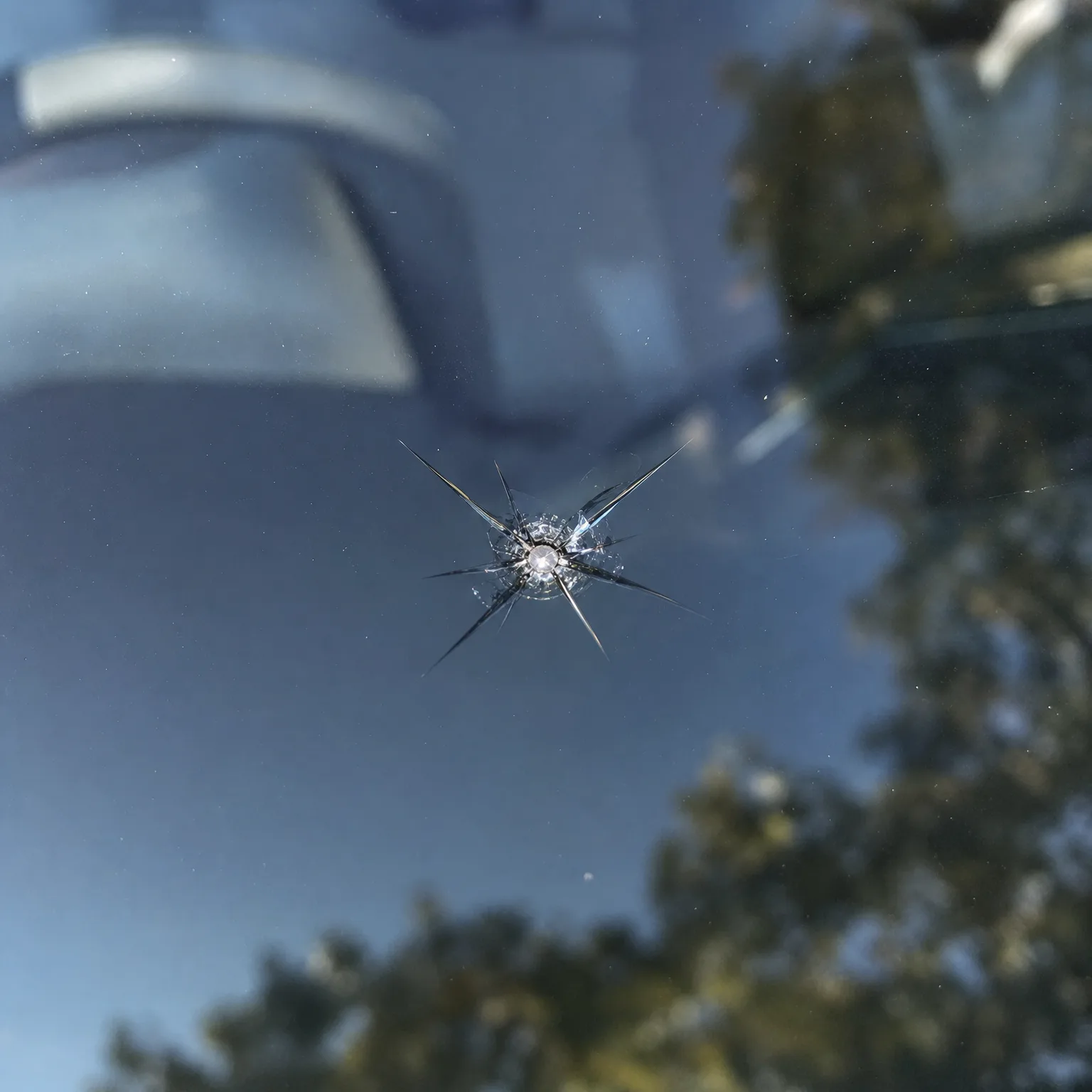
Why Is My Vision So Poor When Driving at Night
Your eyes take in less light and clear glare more slowly with age, which is normal and not a sign something is wrong with you.
Your pupils, lens, and retina all change with age
The pupil is the opening that lets light into your eye, and it naturally shrinks with age and reacts more slowly when light changes. At night, when you need all the light you can get, an older pupil simply lets in less of it. That alone explains a lot of what you're noticing.
The lens inside your eye also changes. It yellows and stiffens over the years, which scatters light instead of focusing it cleanly. That scattering is what makes oncoming headlights bloom into a glare instead of staying a sharp point, and why your eyes take longer to recover after a bright light passes.
Your retina, the part that senses light, also becomes less sensitive over time, and the cells that help you adapt to darkness work more slowly. That's why a parking lot or a dark road can feel harder to adjust to than it used to, even a few minutes in.
This is different from a sudden change. If your night vision got noticeably worse over weeks rather than years, or one eye is worse than the other, that points to something specific like cataracts, which are common and treatable, rather than ordinary aging. That distinction matters for what you do next.
What's worth checking before you decide anything
- Get an eye exam An eye doctor can tell you if this is ordinary aging or something treatable like cataracts. Do this first, since it changes everything else about how you plan.
- Check your headlights Dim, yellowed, or misaligned headlights make night driving harder for anyone. Have them checked or replaced, it's a cheap fix compared to everything else.
- Clean windshield and glasses A hazy windshield or scratched lenses scatter light and worsen glare. Clean both regularly and ask your eye doctor about anti-reflective coating.
- Limit driving after dark You don't have to stop entirely, but shifting errands and visits to daylight hours reduces strain. Save night trips for routes you know well.
- Ask your insurer what they track Some insurers offer ways to show you're a safe driver beyond just age. Check what your state and insurer allow before assuming your options are limited.
Does poor night vision mean I'll lose my license?
Not by itself, and in most places a vision problem only affects your license if it falls below a specific standard tested at renewal. Many states test vision at every renewal regardless of age, and some have different schedules for older drivers. Check with your state's licensing agency, not your insurer, since licensing rules and insurance pricing are decided separately.
If an eye exam finds something treatable, like cataracts, addressing it can improve your vision and your test results. If it's correctable with new glasses or a stronger prescription, do that before your next renewal. The more concrete step is adjusting how and when you drive, since many older drivers keep their license for years by simply avoiding night trips rather than by passing a harder test.
Once you know what's behind the change, compare quotes to see how insurers price your experience, not just your age.
One driver's experience adjusting after a diagnosis
A driver in her early 80s noticed headlights seemed brighter and harder to look away from than they used to, and she started avoiding her evening walk group because the drive home after dark felt uncomfortable. She mentioned it to her eye doctor at a routine visit rather than waiting, since the change had been gradual over a couple of years.
The exam found early cataracts, common at her age, and her doctor explained that surgery could help but wasn't urgent yet. In the meantime, she switched her walk group to a daytime slot and asked a family member to drive on the rare evenings she needed to go out. She also had her headlights checked, since they were older than her last two cars. Her vision didn't get worse, and she kept driving comfortably during the day while she decided on the timing of surgery with her doctor.
This is a vision and lighting problem you can manage, not a verdict on whether you should still be driving.
Why do oncoming headlights bother me so much more now?
Because your aging lens scatters light instead of focusing it, turning a sharp headlight into a wide glare. This is called glare sensitivity and it's common with age. Anti-reflective coatings on glasses, cleaner windshields, and avoiding routes with heavy oncoming traffic all help. If one eye is noticeably worse, mention it to your eye doctor, since that can point to a treatable cause.
Will my car insurance rate change if I stop driving at night?
Usually not directly, since most insurers price based on overall risk factors rather than tracking when you drive. Some insurers do offer usage-based programs that reward lower-risk driving patterns, which could include less night driving. Check with your insurer or compare options to see if any track this, since it varies and isn't offered everywhere.
What eye conditions are common in your 70s and 80s besides cataracts?
Macular degeneration and glaucoma both become more common with age and can affect night vision differently than cataracts do. Macular degeneration affects central vision and detail, while glaucoma can narrow peripheral vision. Both are reasons to get regular eye exams rather than assuming every change is just normal aging. Your eye doctor can tell you which, if any, applies to you.