Will a Parking Mode Dash Cam Drain the Battery
A parking mode dash cam can drain your battery over time, but a hardwire kit with low voltage cutoff protection keeps that from happening.
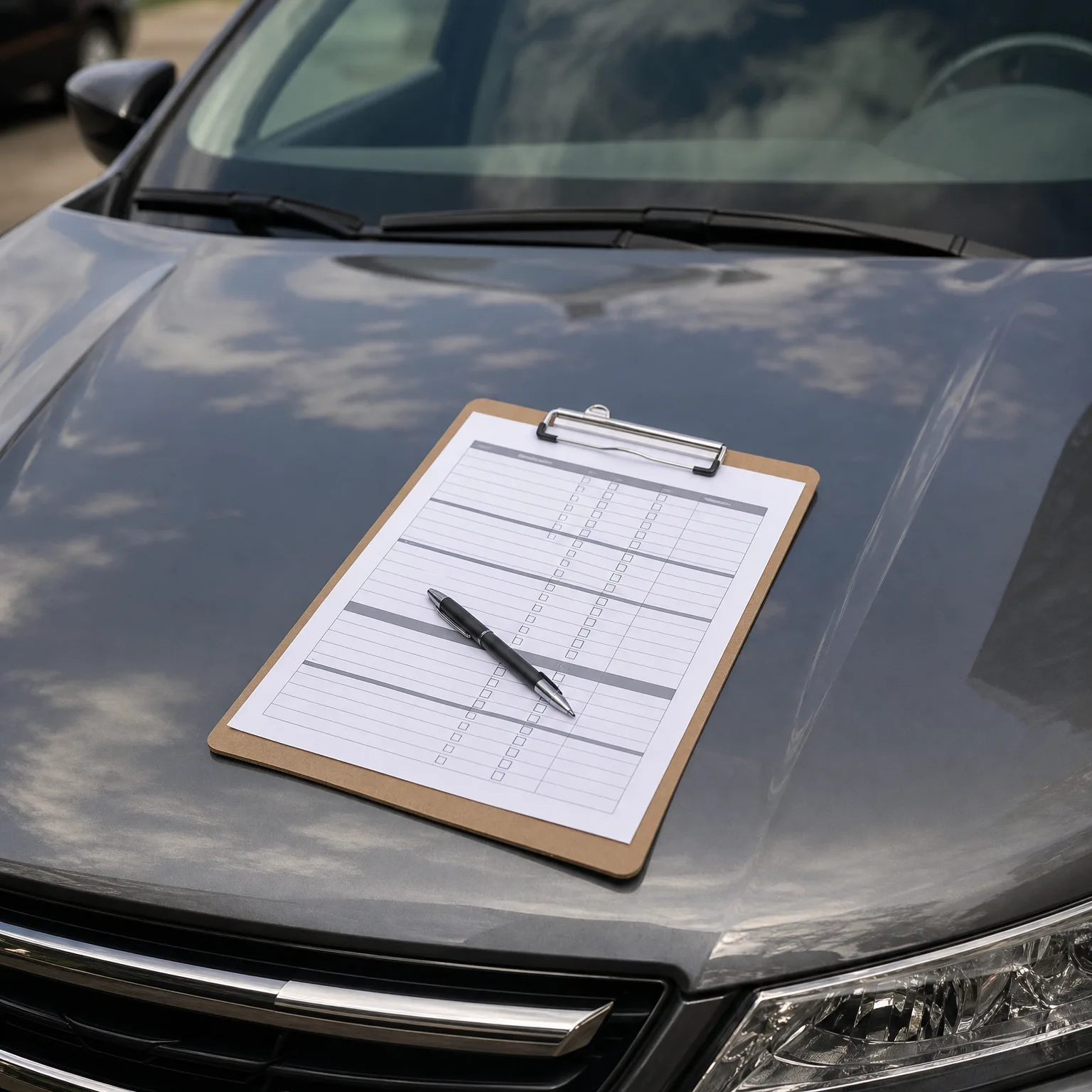
A week at the doctor's office parking lot
You park for a few hours at a time, a couple of times a week, for appointments and errands. The dash cam stays on in parking mode each time, watching the car while you're inside. After a few weeks, you notice the engine turns over a little slower than it used to, and you start wondering if the camera is the reason.
You check how the camera is wired and find it pulls power straight from the battery without any cutoff. You have it hardwired instead, through a kit that stops drawing power once the battery drops to a safe level. You also ask the installer to set that cutoff a bit higher, since you don't drive every day and the car sits longer between trips. The slow turnover goes away within a couple of weeks, and the camera keeps working in parking mode without you having to think about it again.
The short version
A parking mode dash cam can drain your battery, but only if it lacks protection against over draining. A hardwire kit with a low voltage cutoff, or a dash cam with its own battery drain protection, prevents this. Check how your camera is wired and whether it has that protection before you worry about the battery itself.
How do I know if my dash cam already has this protection?
Check the product details or the box it came with, since many dash cams marketed for parking mode include a built in low voltage cutoff or a buffer battery that runs the camera without touching the car battery at all. If yours plugs into the cigarette lighter outlet, it likely has no protection, since that outlet draws straight from the car battery whenever the camera is on.
If your dash cam was installed by someone else, ask them directly whether a hardwire kit with cutoff protection was used, and at what voltage it's set to stop drawing power. If you're not sure, a mechanic or auto electrician can check the wiring in a few minutes and tell you what's actually connected. This is worth confirming once, rather than guessing every time you park for a while.
Once you know your dash cam won't drain your battery, compare quotes to see how much it can lower your premium.

Why some dash cams drain batteries and others don't
A parking mode dash cam stays partly awake when your car is off, watching for motion or impact so it can record if something happens. That means it keeps pulling a small amount of power the whole time your car is parked, and a car battery is only built to supply so much before the car won't start.
The difference between a camera that drains your battery and one that doesn't usually comes down to how it's wired and whether it has a cutoff. A dash cam plugged into a cigarette lighter outlet draws power whenever it's on, with nothing to stop it. A dash cam wired through a proper hardwire kit includes a low voltage cutoff, which stops the camera from drawing power once the battery reaches a level still safe for starting the engine.
How long you can safely leave parking mode running also depends on how often you drive. If you drive most days, the battery recharges often enough that a short parking mode session barely matters. If your car sits for extended stretches between drives, the same camera and the same settings can leave you with a dead battery, simply because there's less time for the battery to recover.
How a cutoff voltage is set, and whether your insurer or state has anything to say about dash cams at all, can vary. Check your dash cam's settings and your car's manual, and ask your insurer directly if a dash cam affects your coverage or your premium.
The risk isn't the dash cam itself, it's whether it has protection against over draining your battery.