
Will My Car Insurance Go Up if I Got Rear-Ended
If the other driver caused the crash, your insurance shouldn't go up for being rear-ended.
Fault decides the price, not the crash itself
Insurers raise your rate when their data says you're more likely to file another claim, and that judgment is tied to fault. When someone hits you from behind, the fault almost always belongs to them, because drivers are expected to leave enough room to stop. Your insurer typically goes after the other driver's insurance company to recover what it paid out, a process called subrogation, and once that money comes back, the claim stops counting against you the way an at-fault claim would.
This is why being rear-ended is treated differently from causing a collision. The system is built around the idea that rates should reflect your own driving risk, not bad luck from someone else's mistake. As long as the report and the claims process clearly show you weren't responsible, your record should reflect that.
Where it gets less certain is when fault isn't obvious right away. If there's a dispute, if the other driver has no insurance or not enough coverage, or if your state has rules that complicate fault determination, your own insurer might pay first and sort out reimbursement later. During that window, some insurers treat the claim as open and unresolved, which can affect pricing until subrogation finishes.
It also matters which insurer you ask and what your state allows. Some states limit whether a not-at-fault claim can be used in pricing at all, while others leave more room for insurers to factor in any claim, regardless of fault. Check how your state handles this and ask your insurer directly how they classify not-at-fault claims, since practices differ even when the basic logic stays the same.

The short version
Being rear-ended by someone else usually won't raise your rate, because fault stays with the other driver and your insurer recovers costs from their insurance. It can get complicated if fault is disputed or the other driver is uninsured. Confirm with your insurer how they classify the claim, then compare quotes once you know your record is clear.

A driver stopped at a light gets hit from behind
You're stopped at a red light and the car behind you doesn't stop in time. There's damage to your bumper and a sore neck that sends you to urgent care. You file a claim with your own insurer because it's faster, and they open an investigation to confirm what happened using the police report and witness statements.
The report backs up your account, so your insurer pursues the other driver's insurance company for the repair costs and medical expenses. Once that reimbursement comes through, the claim is marked not-at-fault in your file. At your next renewal, your rate reflects your driving history as if the incident hadn't changed your risk, because in the insurer's eyes, it didn't.
Once you know the claim is marked not-at-fault, compare quotes to make sure your rate reflects that.

What actually determines whether your rate moves
- Who's found at fault If the other driver is clearly at fault, your rate typically stays put. Get a police report and exchange insurance information so fault is documented clearly.
- Whether subrogation finishes Your insurer needs to recover costs from the other driver's insurer before the claim is fully resolved. Ask your claims adjuster for updates until that process closes.
- State rules on claims Some states restrict how not-at-fault claims can affect pricing, others don't. Check your state's rules or ask your insurer directly how they handle it.
- The other driver's coverage If they're uninsured or underinsured, your own insurer may end up paying more of the claim. Review your uninsured motorist coverage so you're not exposed in that situation.
- How the claim is classified Insurers vary in how they label and weigh not-at-fault claims internally. Ask directly whether this claim will appear on your record and how it's categorized.
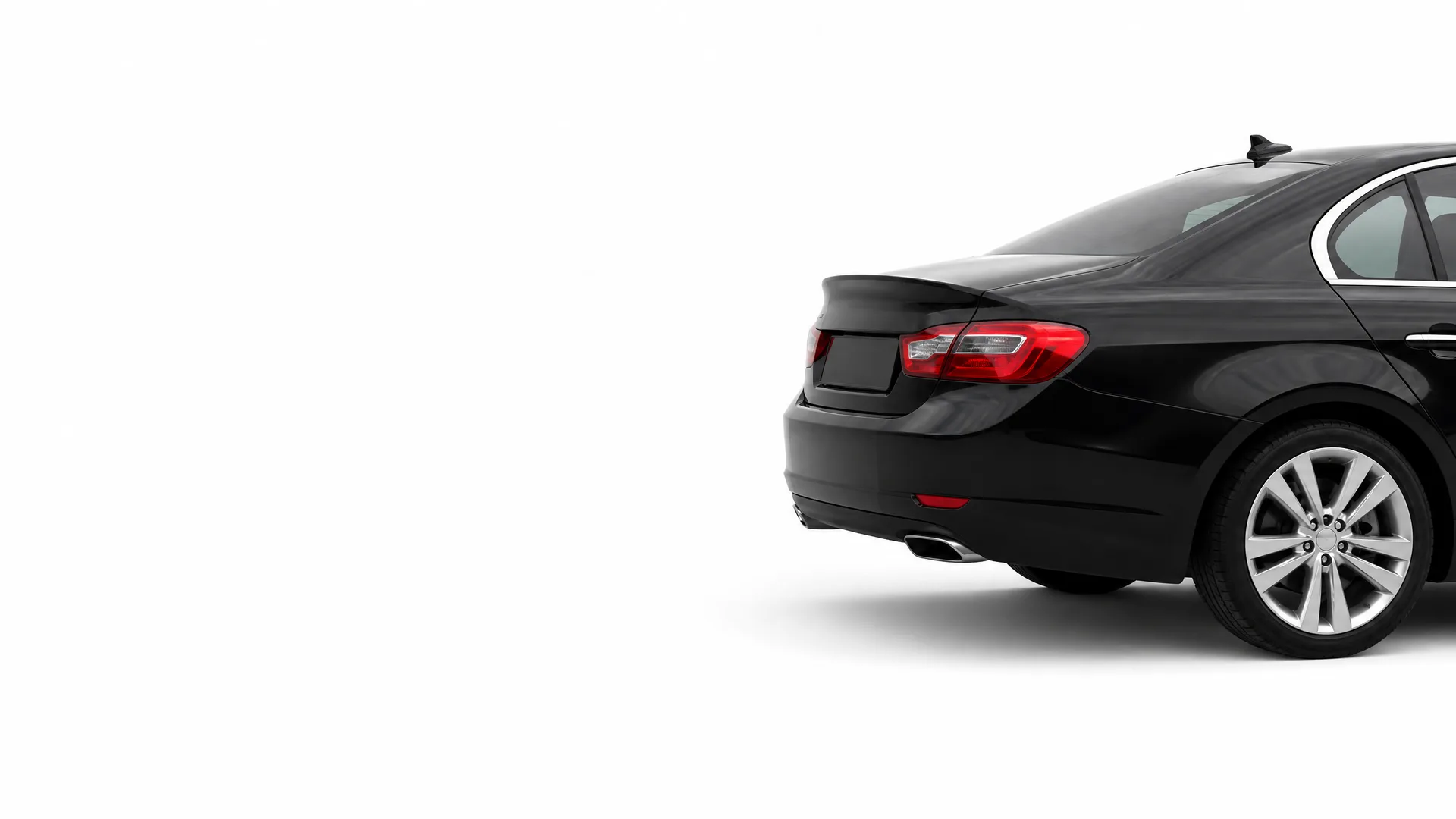
The crash isn't what moves your rate. Who's found responsible for it is.
Does filing a claim after being rear-ended count against me even if I'm not at fault?
It shouldn't count against you in the way an at-fault claim would, but filing still creates a record of the incident. Most insurers track it as a not-at-fault claim, which typically doesn't raise your rate. Still, ask your insurer whether they distinguish between claim frequency and claim fault, since a few insurers weigh total claims more heavily regardless of who caused them.
Should I file through my insurance or the other driver's after being rear-ended?
Filing through your own insurer is usually faster since they handle your claim directly and pursue reimbursement later. Going through the other driver's insurer can take longer because they have less incentive to move quickly. Check how each option affects your timeline for repairs and medical care, and ask your insurer whether using your policy first could temporarily affect your record while subrogation is pending.
What if the other driver denies causing the accident?
If fault is disputed, your insurer will rely on the police report, photos, and any witness statements to determine what happened. This can delay the claim and occasionally results in shared fault depending on your state's rules. Check whether your state uses comparative or contributory fault standards, since that affects how blame and costs get divided when accounts conflict.