Will My Insurance Go Down if I Drive Less
Yes, driving fewer miles can lower your premium, but only if you tell your insurer and ask them to apply it.
Less time on the road means less risk to insure
Insurers price your policy partly on how often your car is out there to be hit, or to hit something. Fewer miles mean fewer chances for a claim, so insurers treat lower mileage as lower risk. That's the whole mechanism. It isn't about your age or your driving record changing, it's about exposure going down.
But this only helps if your insurer knows about it. Your current premium is based on the mileage estimate you gave when you last set up or renewed your policy. If you've cut back on errands, stopped commuting, or simply go out less than you used to, your insurer has no way to know unless you tell them. Rates don't adjust automatically just because your habits changed.
How much it helps, and how it's measured, varies by insurer and by state. Some use annual mileage bands, others use a program that tracks actual miles driven, and some factor in mileage only loosely alongside other things like where you live and what you drive. Ask your insurer directly how they count mileage and what range of discount applies at your level.
There are cases where driving less won't move the number much. If you were already in a low mileage band, cutting further may not change your tier. And if your rate recently rose for other reasons, like a claim, a lapse, or a broader rate increase in your state, lower mileage might soften that increase without erasing it. It's still worth asking, because the only way to find out is to call and update your file.
What to do to get the lower rate
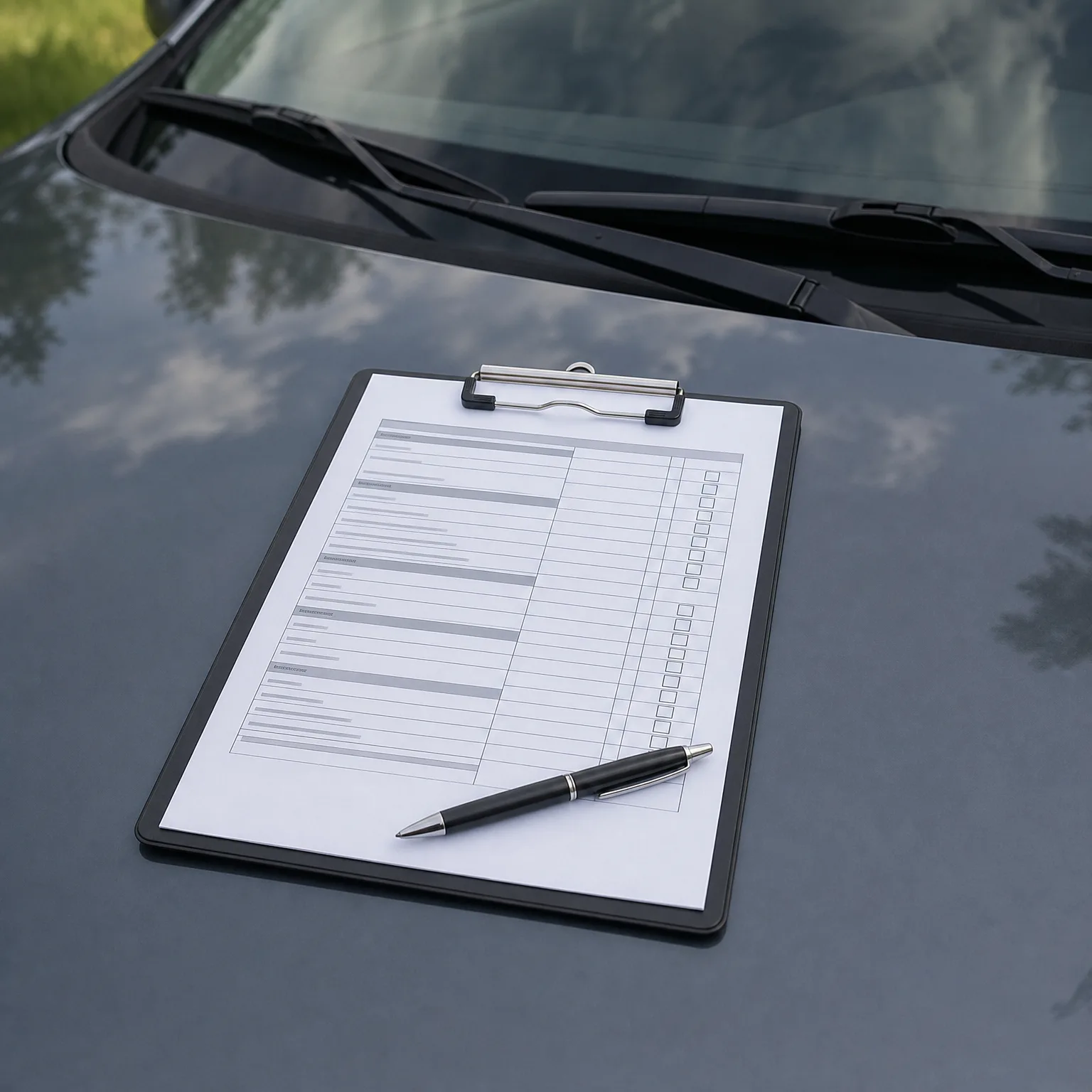
- Report your new mileage Call your insurer and give them an updated annual mileage estimate. This is the step that actually triggers any discount, so don't skip it.
- Ask how they measure it Some insurers use mileage bands, others track it directly. Ask which applies to you so you know what range of driving actually moves your rate.
- Get the estimate right Lowball your mileage and you risk a problem at claim time. Give a realistic number based on how you actually drive now, not what you hope it'll be.
- Check for a usage program Some insurers offer a plan that tracks real mileage instead of an estimate. Ask if one is available and whether it fits someone who drives occasionally.
- Review the whole policy too While you're updating mileage, ask what else affects your rate. Bundling, your vehicle's safety features, or a defensive driving course may also help.

The discount exists, but it only reaches you if you ask for it. Nothing updates on its own.
Once you've reported your mileage, compare quotes to see who rewards lower driving the most.
Will my rate go up if I start driving more again later?
It can, if you report the higher mileage or if your insurer notices through a usage-tracking program. The same logic runs in both directions, since mileage is just one input insurers use to estimate risk.
If your driving picks back up, whether that's more errands, travel, or helping family, update your insurer again so your coverage matches your actual use. Driving significantly more than what's on file can also affect a claim if it ever looks like your mileage estimate was inaccurate. Keeping the number current protects you either way, not just your wallet.

How do I estimate my annual mileage accurately?
Check your odometer readings from two points in time, like last year's renewal and today, and calculate the difference. If you don't have an old reading, estimate based on a typical week of errands, appointments, and outings, then multiply by the weeks in a year. Round up slightly rather than down, since insurers may question an estimate that looks too low for your lifestyle.
Does driving less affect my coverage limits or only the price?
It only affects price, not your coverage limits. Your liability, collision, and comprehensive limits stay exactly as you chose them regardless of mileage. Mileage is one factor insurers use to estimate how likely you are to file a claim, so it changes the cost of the policy, not what the policy protects.
Will a low mileage discount affect how insurers see my age?
No, mileage and age are counted separately in most pricing models. A low mileage discount reflects reduced exposure to risk, while age-related pricing reflects statistical claim patterns tied to age groups. Lowering your mileage won't offset an age-related increase, but it can work alongside it to bring your total premium down.