
Will One Minor Accident Affect My Car Insurance
A single minor accident will likely raise your premium at renewal, though rarely drops your coverage or your license on its own.
Why a minor accident still moves the price
Insurers price your policy on risk, and a claim, even a small one, is new evidence about that risk. After decades of clean driving, one accident doesn't erase your history, but it does update it. The company recalculates using the most recent facts, and a recent claim weighs more heavily than an old one.
How much it moves depends on a few things working together. Was the claim paid out, or was it under a deductible you covered yourself? Who was found at fault? Insurers in most states use fault heavily in their pricing, though a few states limit how much a not-at-fault claim can affect you. Check your state's rules and your policy's own language on this.
Age itself is a separate factor from the accident. Some insurers price age and driving history together, others look at them separately, and this varies by company. If your rate rose around the same time as a birthday or a renewal, it's worth asking the insurer directly which factor did the work, because the accident and your age may be two different line items, not one.
There are cases where a minor accident changes nothing. Some policies include forgiveness for a first accident after a long clean record, and some states cap how claims factor into renewal pricing. None of this is universal, so the only way to know your own situation is to ask your insurer plainly what changed and why.

A fender bender after thirty years without a claim
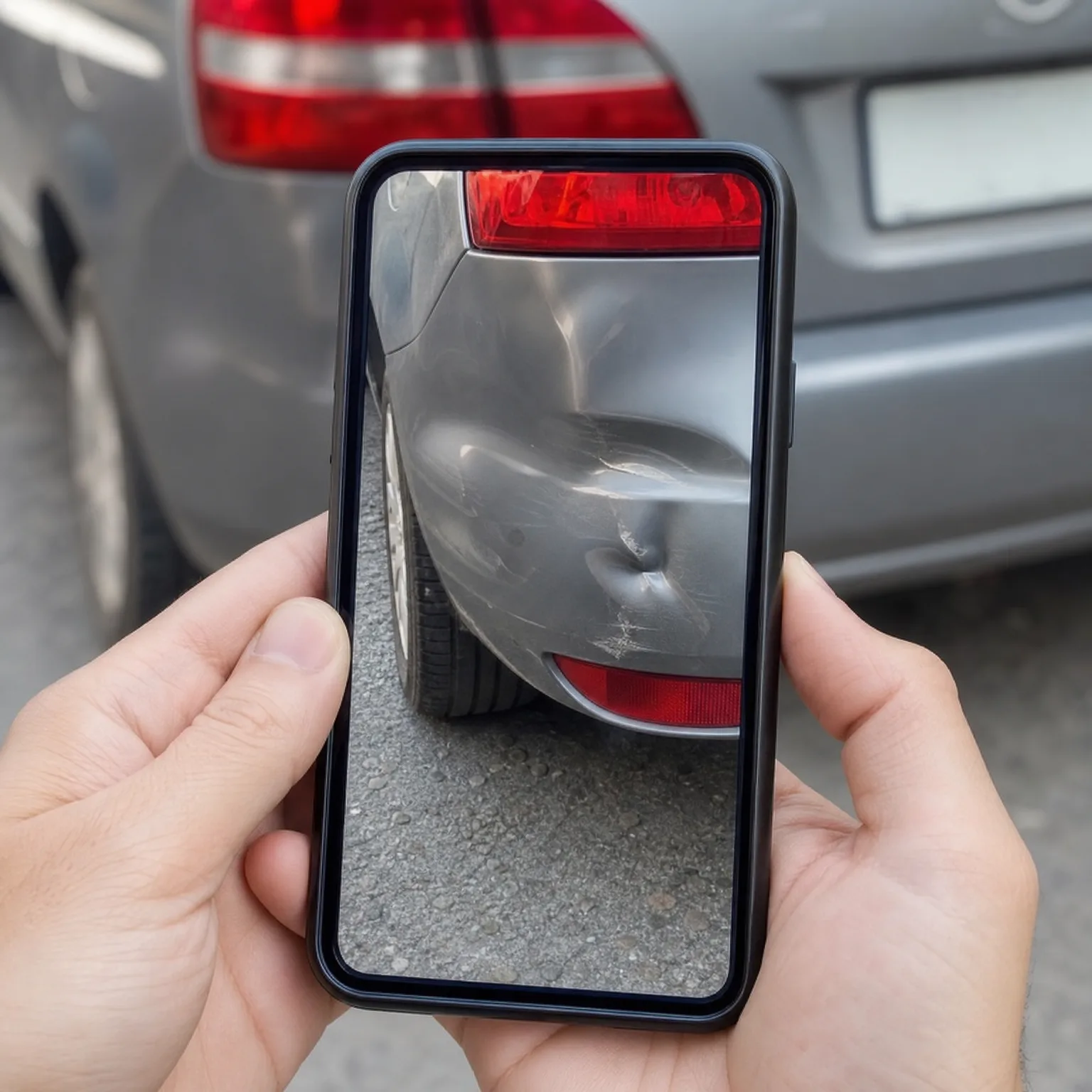
A driver backed into a parked car in a grocery store lot, causing minor damage to both vehicles. She reported it right away, the insurer paid out a small claim, and nothing else happened. No ticket, no injury, no dispute about fault.
At renewal, her premium went up. She called her insurer and asked directly whether the increase came from the accident, her age, or something else. The agent walked through the rating factors and confirmed the accident was the main driver, and that her long clean history before it had softened the increase rather than erased it. She asked about any accident forgiveness and learned her policy included it, so this first claim in decades wouldn't compound into future renewals. She kept the same policy, going in with a clear understanding of what the number meant and why.

Now that you know what's driving your increase, compare quotes to see what you'd pay elsewhere with the same record.

Reporting the accident versus paying out of pocket
If you do
If you report it and file a claim, the insurer covers the repair cost beyond your deductible, documents the event, and factors it into your next renewal. Your rate may rise, but you're protected if repair costs run higher than expected or if the other party disputes anything later.
If you don't
If you pay for repairs yourself and skip the claim, there's no insurer record and no renewal impact from this event. But you cover the full cost yourself, and if damage turns out worse than it looked, or the other driver later files a claim against you, you have no claim history backing your side.
What actually determines how much this costs you
- Fault matters most Being found at fault weighs heavily in most states' pricing. Check your police or insurance report to see how fault was recorded, since that record follows you.
- Claim size versus deductible A claim paid out shows up differently than repairs you covered yourself. If damage was close to your deductible, ask whether paying out of pocket would have cost less overall.
- Accident forgiveness programs Some policies protect a first accident after years of clean driving. Ask your insurer directly whether your policy includes this and whether you already qualify.
- State rules on claims pricing Some states limit how much a claim, especially a not-at-fault one, can raise your rate. Check your state's insurance department for what applies to you.
- Age as a separate factor Your age and your accident may both affect pricing, but separately. Ask your insurer to break down the renewal so you know which factor caused which part of the change.

The number on renewal is several factors stacked together, and you can ask your insurer to unstack them.