Would My Insurance Cover Repairs if a Friend Damaged My Car
If you let a friend drive your car and they damage it, your own policy is almost always the one that pays.
What decides whether this claim gets paid
- Permission to drive Your friend needs to have had your okay to drive the car that day. If you gave them the keys and said go ahead, that counts as permission even without anything in writing.
- Your car follows your policy Insurance attaches to the vehicle first, not the driver. That means your coverage responds when your car is damaged, no matter who was behind the wheel at the time.
- Comprehensive or collision Whether the damage gets paid depends on what coverage you carry, not on who caused it. Check your policy for these two coverages before assuming anything is covered.
- Your deductible still applies You pay the deductible yourself even though your friend caused the damage. Decide before filing whether the repair cost is worth more than your deductible.
- Their insurer stays out of it Their own policy usually doesn't apply here since it was your car, not theirs. Don't expect to file with their insurer unless your state handles this differently.
The short version
Your car insurance covers damage a friend causes while driving your car with your permission, as long as you carry comprehensive or collision coverage. Coverage follows the vehicle, not the driver. Check your policy for those two coverages and know your deductible before you file anything.
A friend backs into your mailbox post
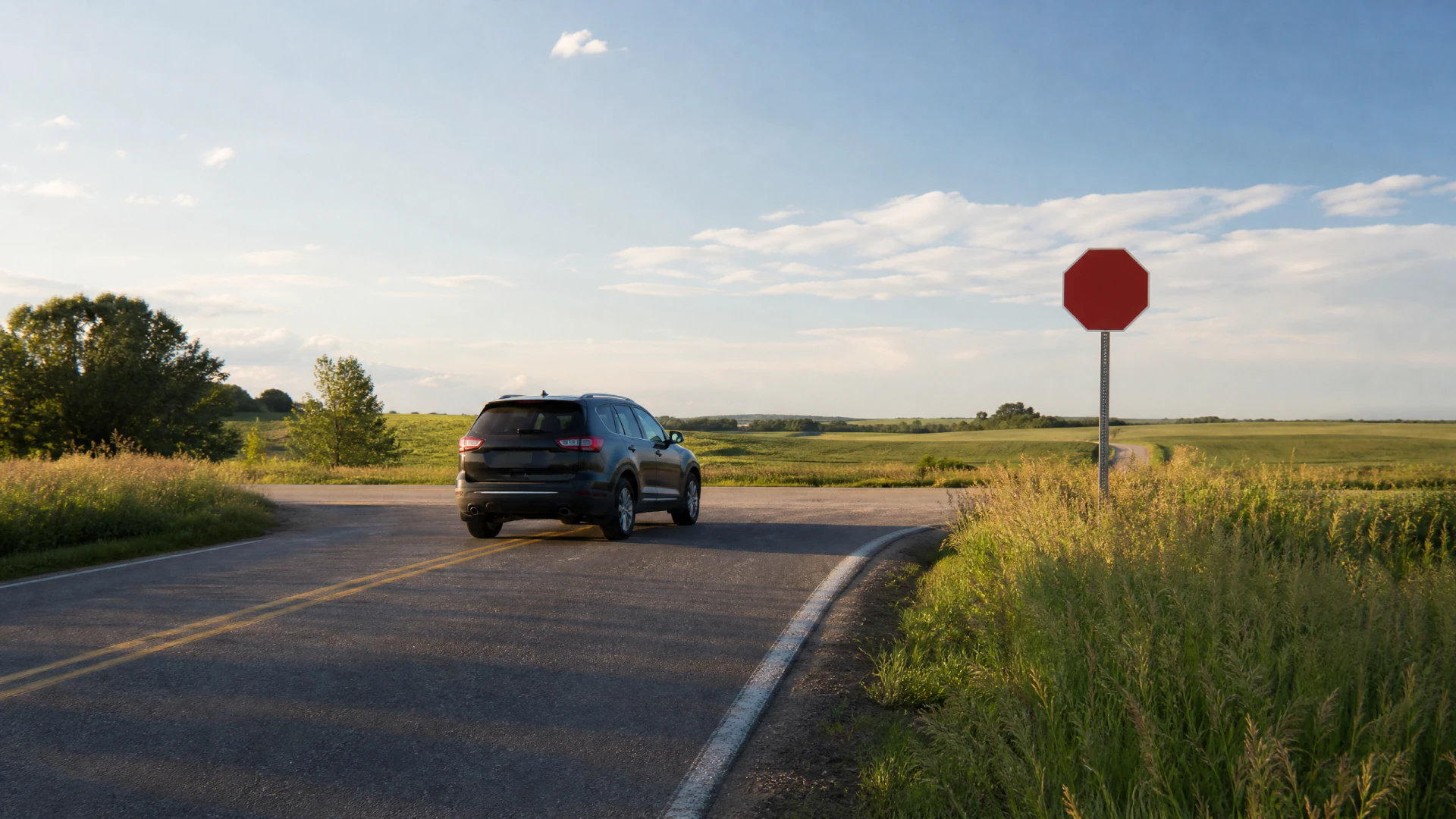
Say you lent your car to a friend for an afternoon so they could run an errand while their own car was in the shop. Backing out of a driveway, they clipped a mailbox post and dented the rear bumper. They called you right away, which made the next part easier, since you weren't guessing about what happened or trying to reconstruct it later.
You pulled up your policy and saw you carried collision coverage, so you called your insurer and filed the claim yourself, as the policyholder, rather than asking your friend to handle it. The adjuster asked who was driving and whether they had permission, and the honest answer that you'd lent them the car that morning was enough. The repair cost more than your deductible, so you went ahead with it, paid your share, and your rate was the only thing affected going forward, not your friend's insurance history.
Now that you know your policy covers this, compare quotes to make sure your coverage still fits how you use your car.
Will my rates go up if my friend caused the damage?
Possibly, since the claim goes on your record as the policyholder regardless of who was driving. Insurers track claims against the vehicle and the policy, not against the specific driver who happened to be behind the wheel that day.
How much this affects your rate depends on your insurer and your state, along with your claims history before this happened. Some insurers forgive a first claim or weigh it less heavily if your record is otherwise clean. If the repair cost is close to your deductible, it's worth asking your insurer directly what a claim like this would likely do to your renewal before you decide to file.
Your policy protects your car itself, so who was driving matters less than whether they had permission.
Does it matter if my friend isn't listed on my policy?
No, most insurers extend coverage to anyone driving your car with permission, even if they're not listed. What matters more is whether they drive your car often, since frequent use can mean your insurer expects them listed as a regular driver. An occasional afternoon doesn't usually trigger that. Check your policy's language on permissive use and ask your insurer directly if your friend borrows your car more than rarely.
What if my friend was at fault in a crash with another car?
Your policy still responds first since it was your car, and your liability coverage would pay for the other driver's damage. Your friend's own insurer typically isn't involved unless your state has unusual rules about this. Your collision coverage would then handle damage to your own car, minus your deductible. Confirm this with your insurer, since a few states do handle fault and liability for borrowed vehicles differently.
Can I ask my friend to pay for the damage instead of filing a claim?
Yes, and many people do exactly this when the repair cost is close to their deductible. Paying out of pocket means no claim appears on your record and your rate stays untouched. Get a repair estimate first so you both know the real cost before deciding. If your friend can't or won't cover it, filing through your own policy is still there as the backup option.


