
Are 20 Year Old Cars Safe to Drive
A 20 year old car can be safe if it's been maintained well and still has working safety equipment, but age alone won't tell you.
Safety comes from maintenance and design, not the odometer or the year
A car's age tells you less than you'd think. What matters is whether the parts that keep you safe, brakes, tires, airbags, steering, suspension, have been maintained and replaced on schedule. A car that's been cared for over many years can be perfectly safe. A much newer car that's been neglected can be dangerous. The year on the title is a starting point, not the answer.
That said, cars built two decades ago were designed to a different standard than cars built today. Crash testing has improved, and so has the engineering that protects you in a collision. Airbags are more advanced, structural design absorbs impact better, and some newer safety features simply didn't exist yet, like automatic braking or blind spot warnings. This is a real gap, and it's worth knowing it exists even if your car runs fine.
Rust and wear are the other piece. Decades on the road give corrosion, especially on the frame or suspension, and general wear on rubber and seals, time to work. A car kept in a dry climate and garaged most of its life will hold up very differently than one that's spent winters on salted roads. Where the car has lived matters as much as how old it is.
The exceptions run both ways. Some older cars were built heavy and simple, with fewer electronics to fail. Some newer cars pack in tech that fails in ways a mechanic can't easily fix. Age is one factor among several, and it's rarely the deciding one on its own.
The short version
A 20 year old car can be safe if it's been maintained and still has working safety systems, but it likely lacks newer crash protection and safety tech. The real test is a mechanical inspection, not the car's age. Have a trusted mechanic check the brakes, tires, suspension, and frame before you decide.
What actually determines whether your car is still safe
- Maintenance history A car with regular oil changes, fluid checks, and part replacements ages much better than one that's been neglected. Ask for service records or get a full inspection if you don't have them.
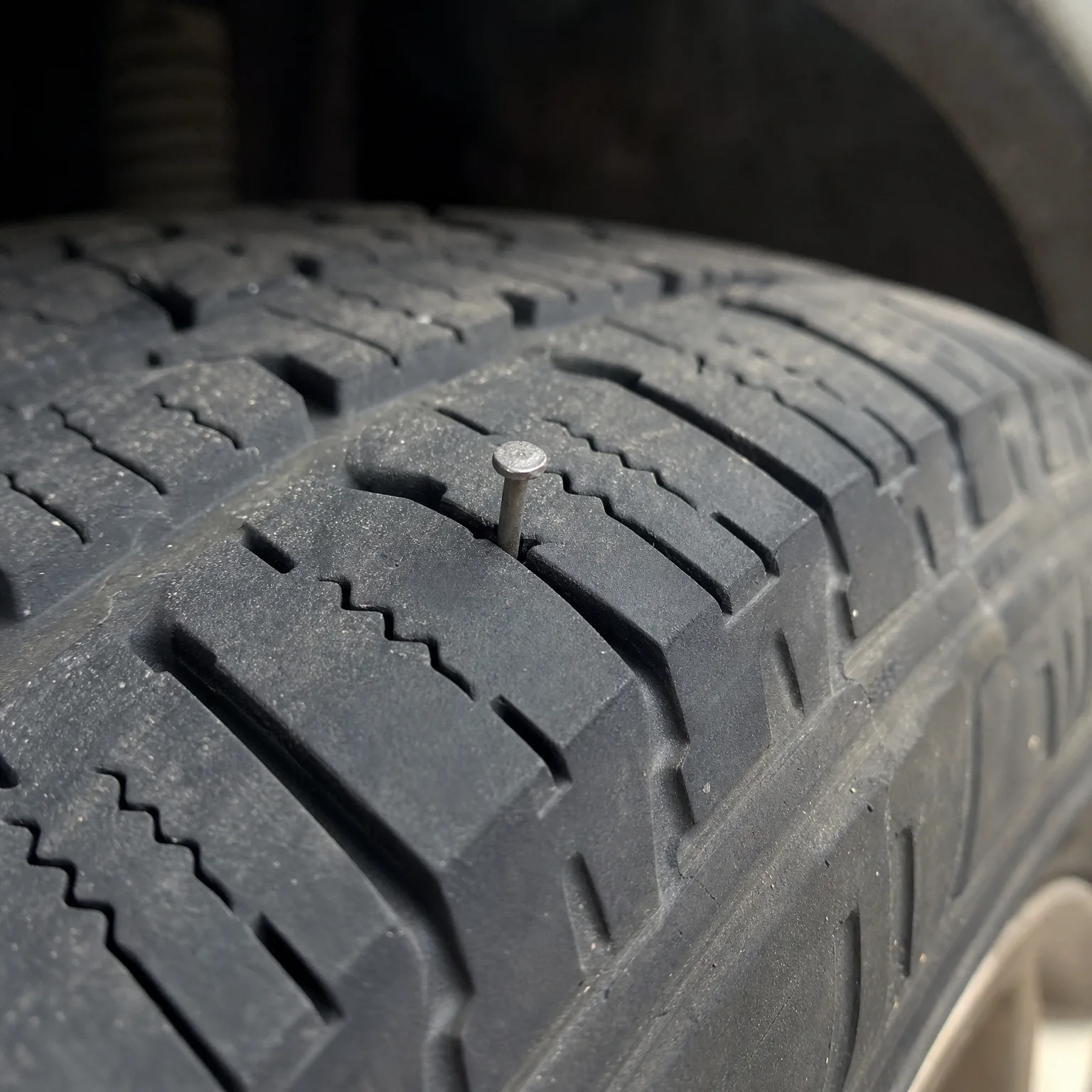
- Tire and brake condition These wear out regardless of the car's age and are the most direct safety risk if ignored. Have them checked now if it's been over a year.
- Rust and frame integrity Corrosion on the frame or undercarriage can weaken the car's structure over time, especially in wet or salted climates. A mechanic can check this in minutes during an inspection.
- Airbag and recall status Airbags and seatbelt pretensioners can degrade over decades, and recalls sometimes apply to older models. Look up your VIN for open recalls before you keep driving.
- Crash protection vs newer cars Older cars generally offer less protection in a collision than current models, even in good condition. Weigh this if you're driving in heavy traffic or at higher speeds often.
Once you know your car's condition, compare quotes to see what keeping or replacing it actually costs you.

Whether you get a full inspection before deciding
If you do
A mechanic checks the brakes, tires, suspension, frame, and any recalls, and gives you a clear picture of what's safe and what needs attention. You decide with real information, either fixing specific issues or feeling confident the car is sound. This usually costs little and settles the question directly.
If you don't
You keep driving on assumptions, and small problems like worn brake lines or hidden rust can go unnoticed until they fail. If something goes wrong, you may find out during a breakdown or worse, a collision, instead of ahead of time. The car might be fine, but you won't actually know.

A reader whose 20 year old sedan still ran fine
One driver had kept the same car for two decades, a simple sedan she'd maintained carefully, with every oil change logged and no major repairs needed. It still ran smoothly and she trusted it, but her son had started asking if it was time to let it go, especially after a neighbor's older car failed inspection. She wasn't sure if her instinct to keep driving it was reasonable or if she was missing something real.
She took it to a mechanic for a full inspection rather than guessing. He checked the brakes, tires, suspension, and frame, and found the car was in solid shape, with only the tires needing replacement soon. He also checked for recalls and found none outstanding. She left with a clear answer instead of a guess, replaced the tires, and kept driving the car for two more years, confident because she'd actually checked instead of assumed.
Should I replace my 20 year old car instead of keeping it?
That depends on what the inspection finds and what you value, not just the car's age. If it's mechanically sound, passes inspection, and has no major rust or structural issues, there's no safety reason you have to replace it. Many people drive well-maintained older cars for years without incident.
The case for replacing it usually comes down to newer safety technology, like automatic braking or better airbag systems, which can matter more if you drive frequently in heavy traffic or at higher speeds. It can also come down to repair costs, since parts for older cars sometimes get harder to find or more expensive over time. If the inspection turns up frame damage or repeated costly repairs, that's a stronger signal than the year alone. Let the condition and your own driving situation guide the decision, not a number on the title.