Choosing a Safer Car Later in Life
The safest car for you now has easy visibility, simple controls, and modern crash protection, not necessarily small or new.

What to look for in your next car
- Seat height and visibility A higher seating position lets you see the road and other cars more clearly without twisting. Look for a car you can get in and out of without ducking or straining.
- Simple, physical controls Knobs and buttons you can use without hunting through a touchscreen menu matter more as reaction time changes. Test the controls in person before you decide.
- Modern crash protection Side airbags, automatic emergency braking, and blind spot warnings reduce the chance and severity of a crash. Ask any dealer or seller which safety features come standard, not optional.
- Wide mirrors and cameras A backup camera and larger mirrors cut down on the neck turning that gets harder with age. These often lower your insurance cost too, so ask your insurer which features they credit.
- Comfortable size to park A car that's easy to park and maneuver reduces stress on errands and in tight lots. Sit in it and try turning, parking, and reversing before you commit.
Replacing a car after years with the same one
Arlene had driven the same sedan for fourteen years and knew every inch of it. When it needed a major repair, she decided to replace it instead of fixing it again, but she wasn't sure what to look for beyond reliability. Her daughter suggested a newer model with more safety features, but Arlene wanted to make the choice herself and on her own terms.
She visited a few dealers and sat in several cars before deciding anything. She paid attention to how easily she could see out the back window, how high she sat compared to her old car, and whether the buttons for climate and radio were easy to reach without looking away from the road. She ended up choosing a car with a backup camera, blind spot warning, and a higher seat, not the newest or most expensive option. When she called her insurer to update her policy, they lowered her rate slightly because of the safety features, which she hadn't expected but welcomed.
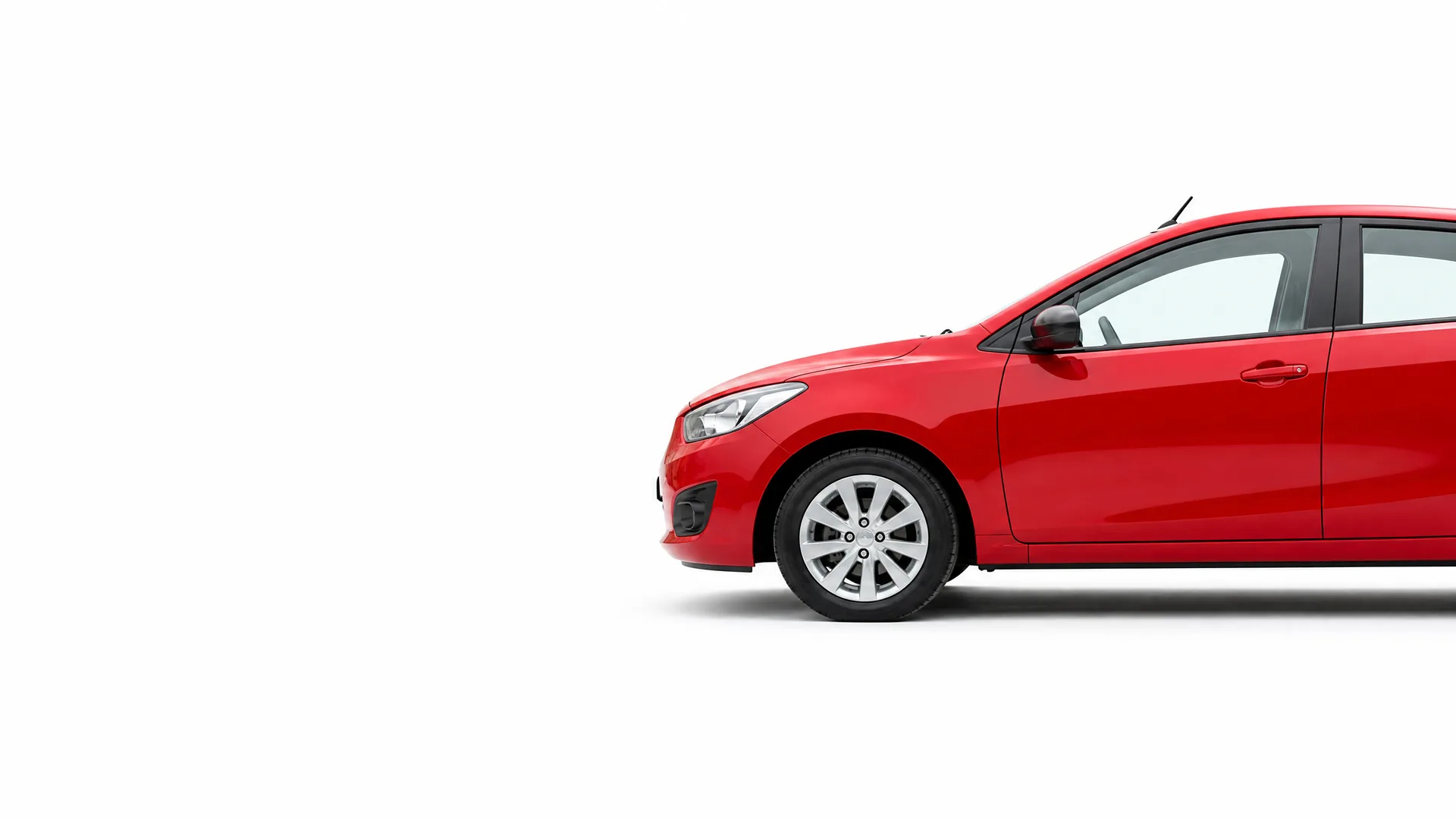
A safer car isn't a smaller or newer one. It's one that matches how you actually see, reach, and react now.
Once you know what to look for in your next car, compare quotes to see how those features affect your rate.

Whether you replace your current car
If you do
You get features built for how your vision and reaction time work now, like better mirrors and automatic braking. Many insurers lower your rate for these features. The switch takes effort and some cost, but it pays off in daily ease and in fewer close calls.
If you don't
You keep driving a car you already know well, which has its own kind of safety in familiarity. But older models often lack visibility and crash protection improvements that newer cars have, and your rate won't reflect features you don't have.
Does a bigger car protect me better than a smaller one?
Not necessarily. Size matters less than specific safety features like automatic braking, side airbags, and good visibility. A midsize car with modern safety tech often protects you better than an older, larger one without it. Check the safety ratings and feature list for any car you're considering, not just its size, since insurers and safety tests weigh features more heavily than size alone.
Will a safety class or driving course lower my insurance rate?
In many cases, yes, but it depends on your insurer and your state. Some insurers offer a discount for completing an approved course, and some states require insurers to offer this. Ask your insurer directly which courses qualify and whether the discount applies to your policy, since this varies and isn't guaranteed everywhere.
Should I tell my insurer about a new health condition before it affects my driving?
You're not required to unless your insurer specifically asks or your state requires it, but many people choose to once a condition could affect driving. This can protect you if a claim happens later, since insurers may ask about health during a claim review. Check your policy's disclosure terms and ask your insurer what they require.