Are Cars Safer Today Than 10 Years Ago
Yes, today's cars are safer than those from a decade ago, thanks to safety technology that's now standard rather than optional.
Safety gains come from technology that now works without you
A decade ago, features like automatic emergency braking, lane departure warnings, and backup cameras were premium add-ons found mostly on luxury models. Today, they come standard on most new vehicles, including modest, affordable ones. That shift happened because automakers found these systems prevent real accidents, not just reduce their severity, and because demand pushed manufacturers to include them as a baseline rather than an upsell.
The technology works by catching the moments human attention naturally slips. A car that brakes before you notice a stopped vehicle ahead, or that nudges you back into your lane, is compensating for the split-second lapses every driver has. For a driver who has been behind the wheel for decades, this isn't a judgment on your skill. It's simply a second layer of protection that older cars didn't have.
Structural safety has improved too. Crash test standards have gotten stricter, and manufacturers design frames and airbag systems to meet those tougher benchmarks. A car built to today's standards distributes crash force differently than one built ten years ago, which matters most in the kind of lower-speed collisions that are common in daily driving.
Where this varies is by vehicle and by state. Not every model adopted these features at the same pace, and some states have different rules about what safety equipment is required or tested. If you're driving a car that's a decade old or more, check its specific safety rating and feature list rather than assuming it matches today's standard. The year a car was built matters less than which features it actually has.
What actually changed and what to check on your car
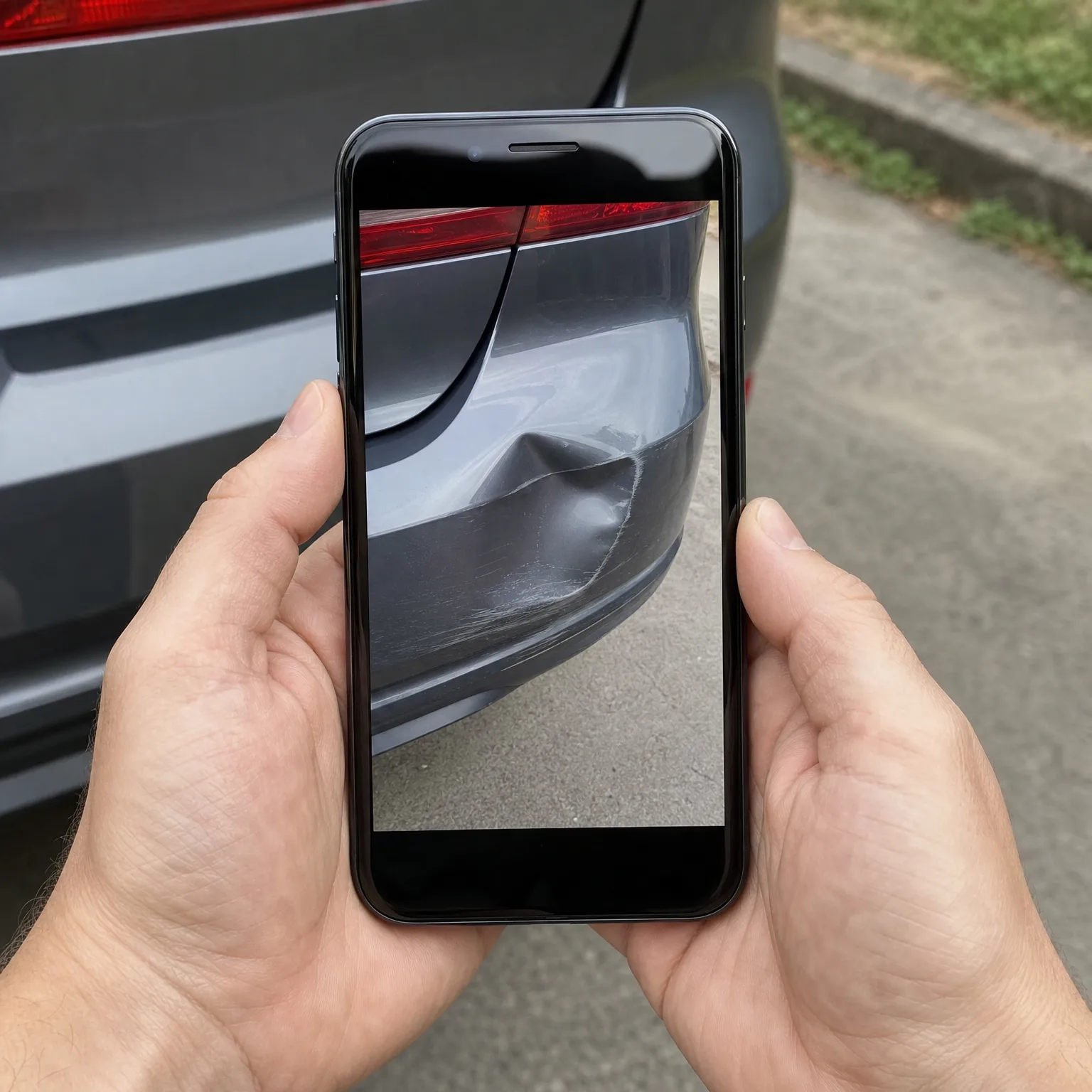
- Automatic braking This feature slows or stops the car if it senses a collision ahead. Check your owner's manual or dashboard to see if your car has it, since many older models don't.
- Backup cameras These became standard on new cars partway through the last decade. If your car predates that, consider whether an aftermarket camera makes sense for you.
- Stronger frame design Newer cars are built to pass tougher crash tests than before. Look up your vehicle's safety rating rather than assuming its age tells you enough.
- Lane and blind-spot alerts These warn you about drift or vehicles you can't see. Ask your insurer if having these features affects your premium, since some do factor it in.
- Discounts for safety tech Some insurers lower rates for cars with modern safety features installed. Ask directly what your car qualifies for, since this varies by company.
Does a safer car mean my insurance should cost less?
Not automatically, but it's worth asking. Insurers price your policy based on many factors, and a car's safety features are one piece of a larger picture that includes your driving history, where you live, and how the car is used. A newer, safer car can reduce the likelihood or severity of a claim, which is the kind of thing insurers do account for, but the discount isn't guaranteed or uniform across companies.
The best way to find out is to ask your insurer directly what safety features they recognize and how much difference each one makes. Some companies have specific discounts tied to features like automatic braking or anti-theft systems, while others fold it into a broader assessment of the vehicle model. If you're comparing quotes, ask the same question of each insurer so you're comparing like for like.
Now that you know what makes a car safer, compare quotes to see which insurers recognize that in your price.
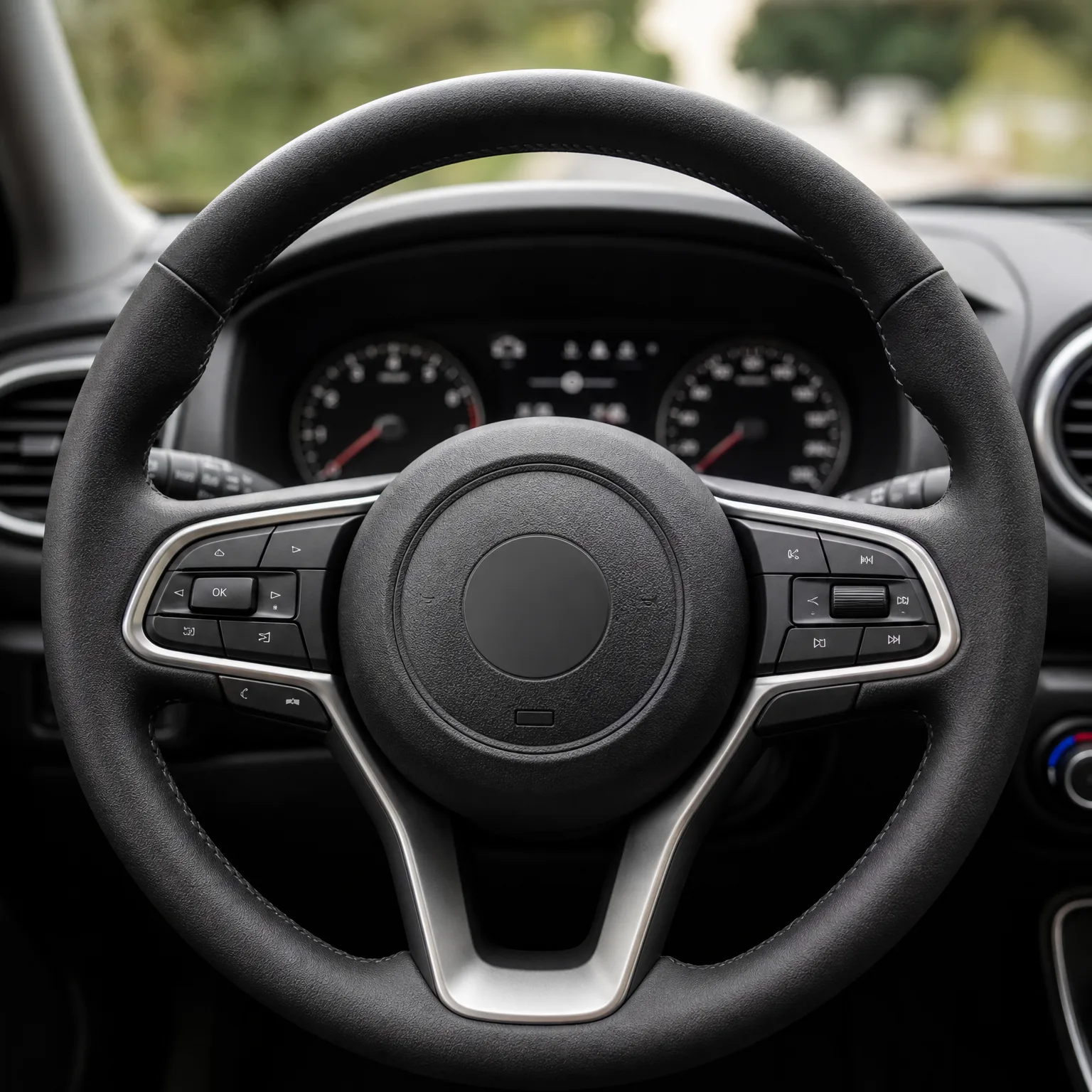
Checking whether a decade-old car still holds up
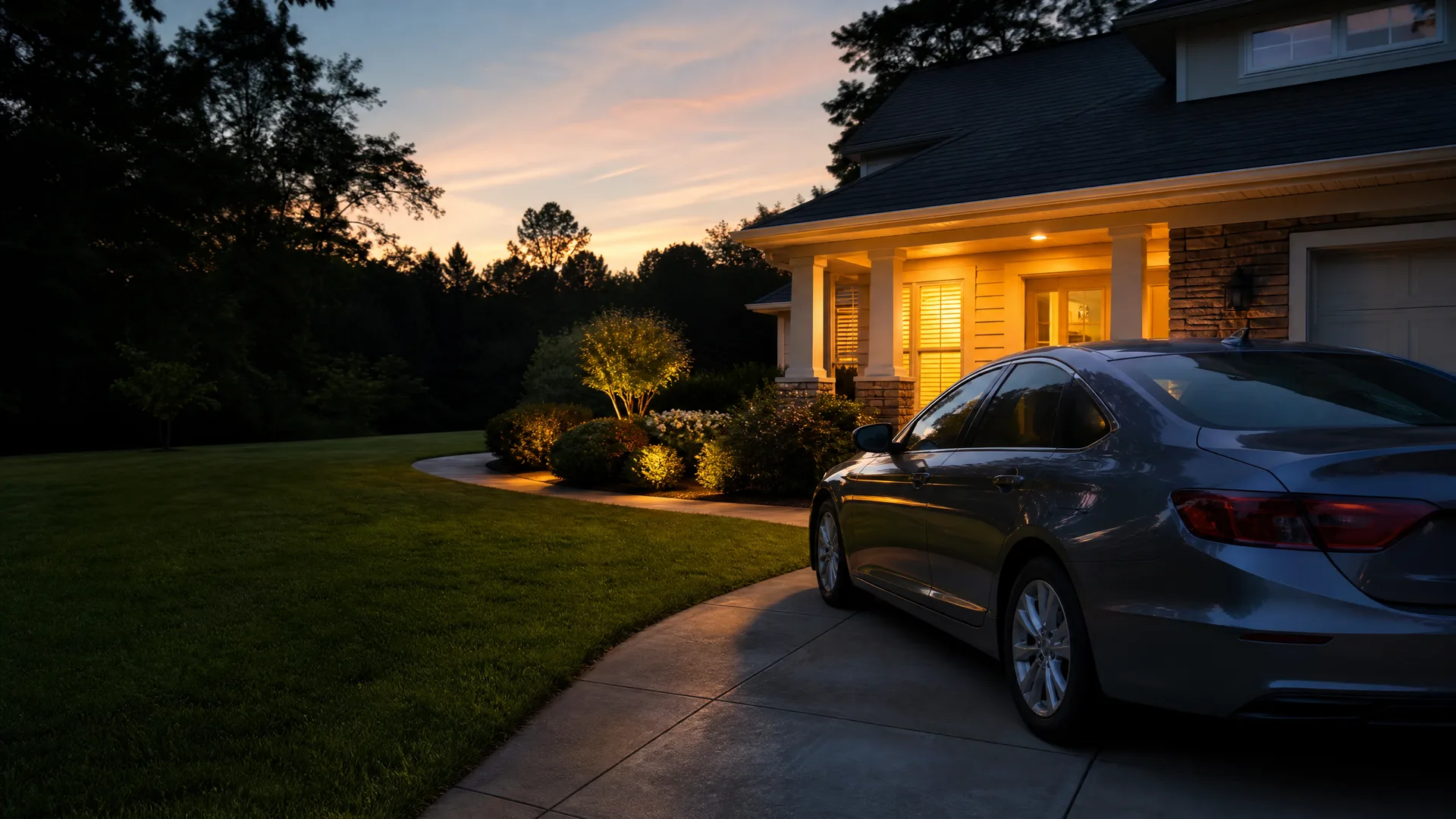
Say you've been driving the same sedan for eleven years and it's served you well. A family member recently mentioned that newer cars have features yours doesn't, and you want to know if that's actually true or just an opinion. You look up your car's model year safety rating and compare it to a current model in the same class.
You find that your car lacks automatic emergency braking and has an older airbag configuration, while the newer version includes both as standard. Rather than deciding your car is unsafe, you talk to your insurer about what your current setup qualifies for and ask whether an aftermarket safety device might help both your protection and your premium. You decide to keep driving your car as is, but you now know exactly what the difference is instead of guessing.
The real question isn't how old your car is, it's which specific safety features it actually has.