Do Newer Cars Have Better Safety Features
Yes, newer cars generally have more and better safety features, and that can work in your favor on both safety and your policy.
What newer safety features actually change for you
- Automatic emergency braking This technology can slow or stop the car if it senses a collision coming. Ask any dealer or your current insurer whether your car has it, since it's one of the features insurers notice most.
- Backup cameras and sensors These help you see what mirrors miss, especially useful for tight parking and driveways. Check your dashboard or owner's manual to confirm what your car includes.
- Lane and blind-spot warnings These alert you if you drift or if a car sits in your blind spot. They support your judgment rather than replace it, so treat warnings as a second set of eyes.
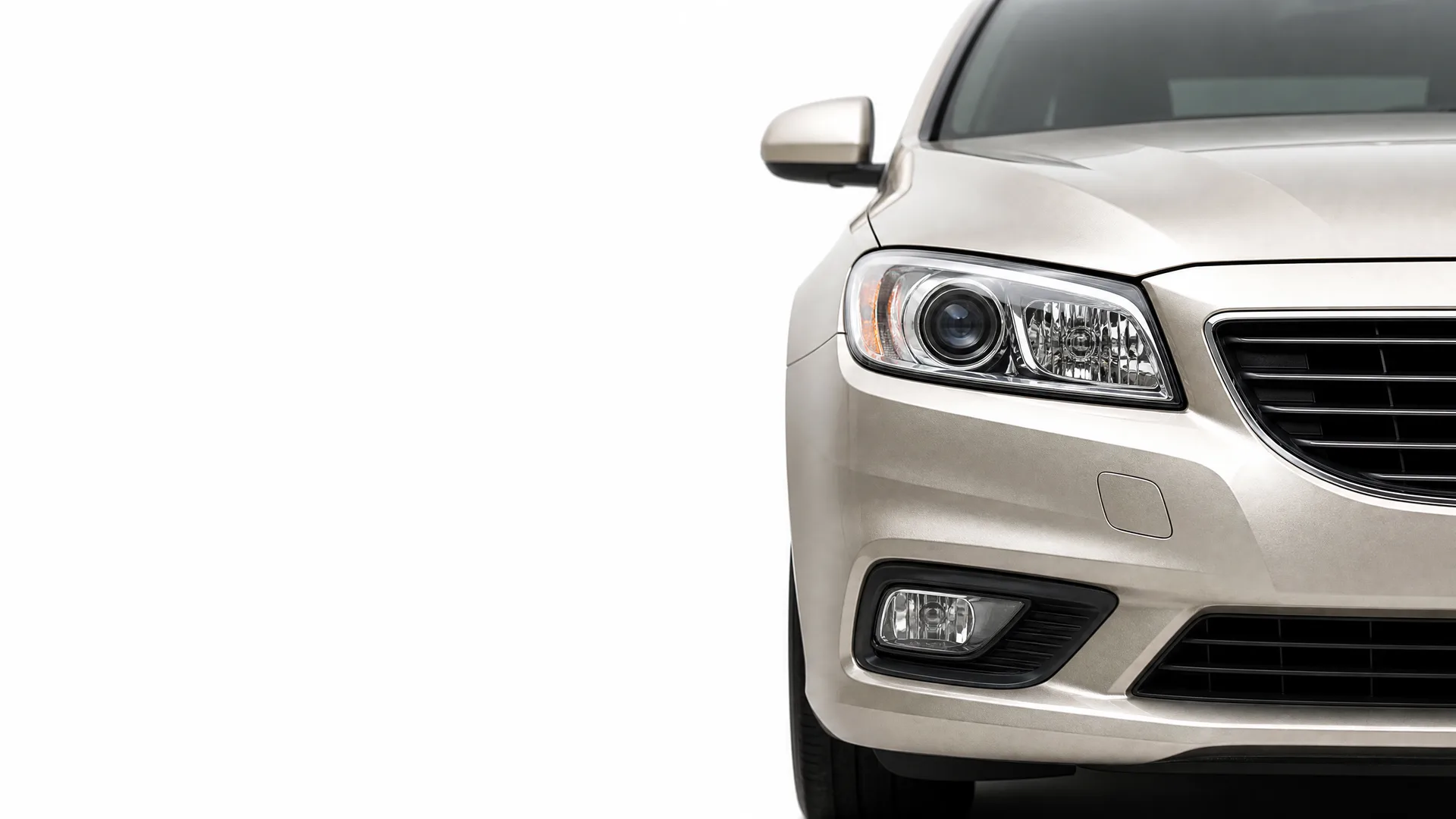
- Adaptive headlights These adjust brightness or direction based on conditions, helpful for night driving. If you drive after dark often, ask whether your car has this feature.
- Discounts tied to safety tech Some insurers lower premiums for cars with proven safety features installed. Ask your agent directly which features on your car qualify, since this varies by insurer.
Will these features lower what I pay for insurance?
Sometimes, but not automatically. Insurers price based on what a feature actually does to reduce claims, not just that your car has it listed as an option.
Automatic emergency braking and backup cameras are the features most often tied to lower rates, because they reduce the kind of low-speed collisions and parking accidents that generate frequent claims. Blind-spot and lane warnings matter too, but their effect on pricing varies more by insurer.
The only way to know for sure is to ask your insurer directly which features on your specific car they recognize, since this isn't standard across companies. Bring your window sticker or owner's manual when you ask, since it lists the exact safety equipment installed. Don't assume a feature qualifies just because it sounds advanced.
The features matter less by brand name and more by what your insurer can verify, so ask specifically.
Compare quotes now that you know which safety features to ask about and why they matter.
A driver checking whether her car's features counted
A driver in her early 80s had just replaced her decade-old sedan with a car that had automatic emergency braking and a backup camera. She assumed her premium would drop simply because the car was newer and had more technology inside it, but her renewal came back close to what she'd paid before.
She called her agent and asked directly which features the insurer recognized for pricing. It turned out the emergency braking system qualified for a discount, but the backup camera did not, since insurers in her state treated it as standard equipment rather than a safety discount. She also learned her car's lane warning system wasn't yet on the insurer's list of recognized features. By asking specifically instead of assuming, she understood exactly why her premium looked the way it did and what to ask again at her next renewal as insurers update their lists.
Why newer safety features don't always mean lower premiums
Insurers price risk based on evidence, not on technology for its own sake. A feature earns a discount only after enough data shows it actually reduces the frequency or cost of claims. Automatic emergency braking has a long track record now, so most insurers recognize it. Newer features, even useful ones, often haven't built up that track record yet, so insurers price them cautiously or not at all.
This is also why coverage treatment varies by insurer and by state. One company might already have data showing a feature reduces claims in rear-end collisions, while another hasn't finished evaluating it. Your state's insurance regulations can also affect which discounts companies are allowed to offer or required to disclose, so what your neighbor's insurer does isn't a reliable guide for yours.
Age and driving history still carry significant weight in your premium, often more than any single feature in your car. A newer car with strong safety technology can offset some cost increases tied to age-related rate adjustments, but it rarely erases them entirely. Insurers are weighing your full profile together, not evaluating the car in isolation.
The practical takeaway is to ask rather than assume. Features that matter to you for safety and comfort, like visibility aids or automatic braking, are worth having regardless of what they do to your premium. But if your goal includes keeping costs predictable, the only reliable path is asking your insurer directly which features they credit and how that fits your specific policy.