How Can I Get Back to Driving After a Long Break
You can get back to driving safely by easing in gradually and checking your license and policy before you go far.

What to do before you drive long distances again
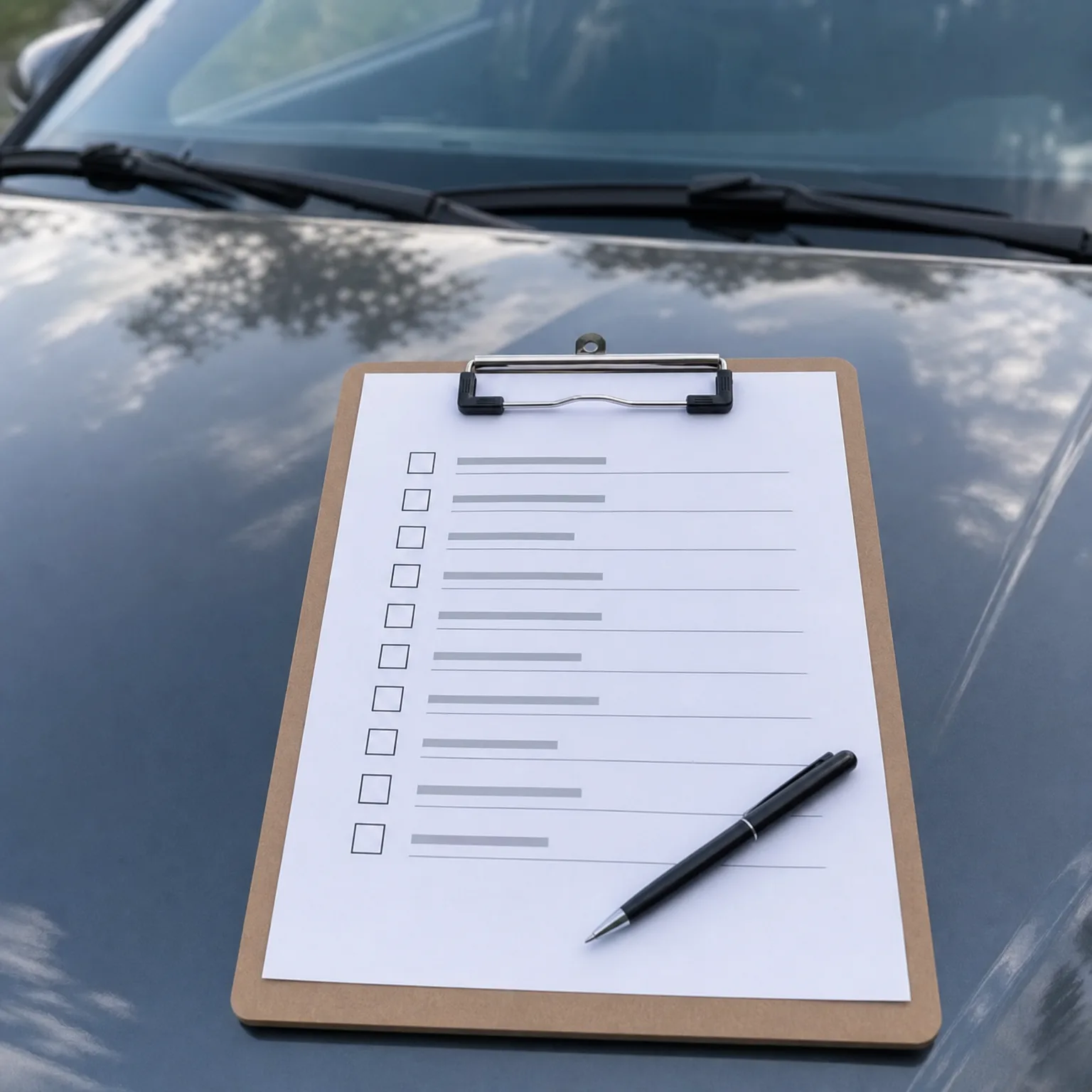
- Check your license status A license that sat unused for years may need renewal or a vision check before it's valid again. Call your motor vehicle office and confirm before you plan any trip.
- Call your insurer first A lapse in driving or coverage can change your rate or require a new policy. Tell them you're returning to driving so there are no surprises on your next bill.
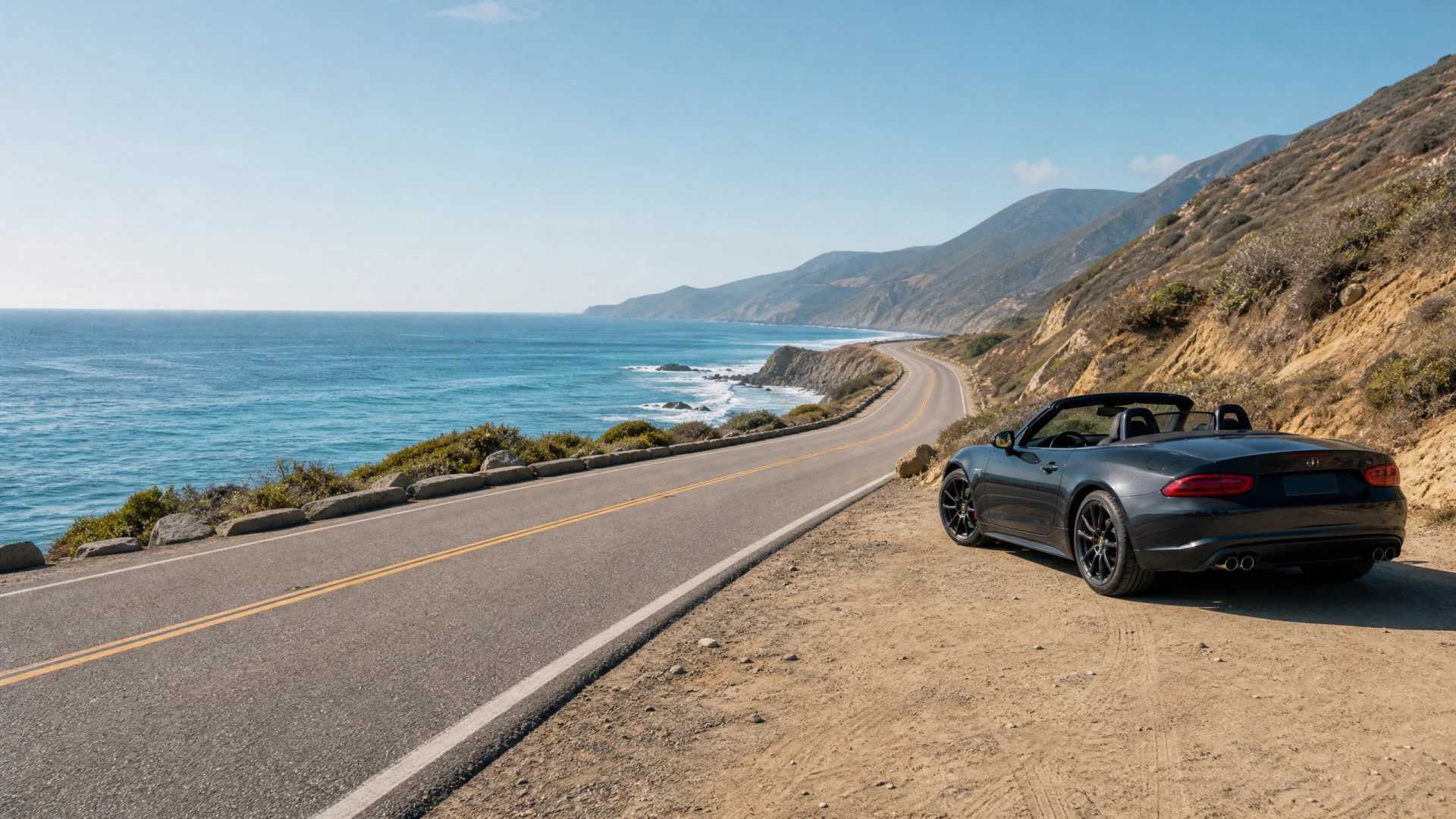
- Start with short, easy routes Daylight trips to places you know well rebuild comfort and judgment faster than long drives. Keep early trips simple on purpose.
- Get a refresher if you want one Many areas offer short courses or practice sessions for returning drivers. A few hours with an instructor can answer the questions you have about yourself.
- Ask about safe driver programs Some insurers offer discounts for completing a driving course or for proving steady, careful habits over time. Ask what's available before you assume your rate is fixed.
Will my insurance rate go up because I stopped driving for a while?
It might, but not simply because you took a break. Insurers set rates mainly on the driving record and coverage history they can see. If your coverage lapsed completely while you weren't driving, that gap can raise your rate or limit which insurers will cover you right away, since a lapse reads as unknown risk rather than as rest.
If you kept your policy active the whole time, even at a lower level, your break by itself shouldn't move your price. What matters more going forward is the record you build now. A clean stretch of driving after your return often brings the rate back down, sometimes faster than people expect. Ask your insurer directly what caused any change, since the honest answer is usually specific to your situation, not a general rule about time away from the wheel.

Once you know your license and policy are in order, compare quotes to find the best rate for your return to driving.

Deciding whether to ease back in or jump straight to normal driving
If you do
You check your license and policy first, then start with short, familiar trips. Your confidence builds steadily, your insurer has no surprises, and small mistakes happen in low-stakes settings where you can learn from them without real consequence.
If you don't
You skip the check and head straight into regular driving, including highways or unfamiliar routes. You might be fine, but an expired license or lapsed policy could turn a minor fender bender into a real legal and financial problem.
Why a break changes more on paper than on the road
Driving skill fades less than people assume, especially for someone who drove for decades. What actually changes during a long break is the paperwork around you, not necessarily your judgment behind the wheel. Licenses can expire, require renewed vision tests, or need an in-person visit depending on how long you've been away and where you live. Insurance policies can lapse if payments stopped or if the policy was cancelled rather than paused, and a lapse is what insurers notice first, more than the break itself.
Insurers price risk based on information, and a gap in that information looks different to each company. Some will treat a short pause with continuous coverage as a non-event. Others may ask questions or request documentation if there was any lapse, any claim before the break, or any change in the vehicle you'll be driving now. This varies by insurer and sometimes by state, so it's worth asking directly rather than guessing how your particular break will be treated.
The other piece underneath this is confidence, which matters just as much as paperwork. People who return to driving after a long pause often feel rusty before they actually are, and that mismatch between feeling and ability is where most hesitation comes from. Starting with short, low-pressure trips lets your reflexes and judgment catch up to where they already are, rather than forcing you to prove something on a highway on day one.
Where this works out differently is when a health change happened during the break, not just time passing. If vision, reaction time, or a medical condition shifted while you weren't driving, that's worth addressing honestly before you resume, both for your safety and because it can affect what your license and policy require. Age alone doesn't change this answer, but an honest look at your own current condition should guide how fast you ease back in.
Do I need to retake a driving test after not driving for years?
Usually not, but it depends on your state and how long your license has been expired or inactive. Many places only require a vision check or paperwork renewal if your license lapsed, not a full retest. If your license stayed valid the entire time, you likely need nothing extra. Call your local motor vehicle office directly, since rules vary and change, and ask specifically about your situation rather than assuming a general rule applies.
What if my family doesn't want me driving again?
That's a conversation worth having honestly, separate from the paperwork questions. Share what you've checked, your license status, your policy, your plan to ease back in gradually, since specifics often ease worry more than reassurance alone. If their concern is about a specific health change, address that directly, possibly with a doctor's input. The legal and insurance side is yours to manage once you're cleared, but hearing their concerns fully first tends to make the return smoother for everyone.
Can I get car insurance again if I let my policy lapse completely?
Yes, you can get a new policy even after a full lapse, though your options and rate may look different than before. Some insurers specialize in rebuilding coverage after a gap and won't penalize you heavily if your driving record itself is clean. Shop around rather than assuming your previous insurer is your only option, since how companies treat a lapse varies quite a bit from one to the next.