How Do You Reduce Headlight Glare at Night
You reduce glare by adjusting your mirrors and windshield, getting your eyes checked, and limiting the night driving that strains them most.
Your eyes are letting in more scattered light than they used to
The lens inside your eye changes as you age, and by your late seventies it scatters more light instead of focusing it cleanly on the retina. Oncoming headlights, especially the brighter white and blue ones common now, scatter even more. That scattering is what creates the halo and the moment of blindness, and it has very little to do with how alert or skilled you are as a driver.
Some of this is fixable and some isn't. Cataracts, which are extremely common at this age, make glare dramatically worse, and removing them often improves night vision more than any habit change could. Dry eyes and old scratched glasses or windshields also scatter light. Mirror angle matters too, since direct headlight reflection off a side or rearview mirror aimed too high is one of the easiest things to fix and one of the most overlooked.
What varies is how much of this your eyes can compensate for. Someone with healthy eyes and good night vision may just need better mirror habits and clean glasses. Someone with early cataracts or significant dry eye will notice glare getting worse year over year no matter what they adjust, and that's a signal to see an eye doctor rather than just change habits. Insurers don't usually ask about glare specifically, but they do ask about vision and license status, so keeping your eyes checked protects both your safety and your coverage.
Where this differs is in licensing. Some states require vision tests at renewal past a certain age and some don't, and a few restrict licenses to daytime driving if night vision falls below a threshold. Check your state's motor vehicle agency for what applies to you, since that determines whether this is a personal choice or a licensing requirement.
Five things that actually cut glare
- Tilt your mirrors down A side or rearview mirror aimed too high catches headlights directly in your eyes. Angle them down just a bit so you still see the lane behind you but miss the direct beam.
- Use your mirror's night mode Most rearview mirrors have a lever or auto-dimming feature for night driving. Flip it before you start driving after dusk, not after the first glare hits you.
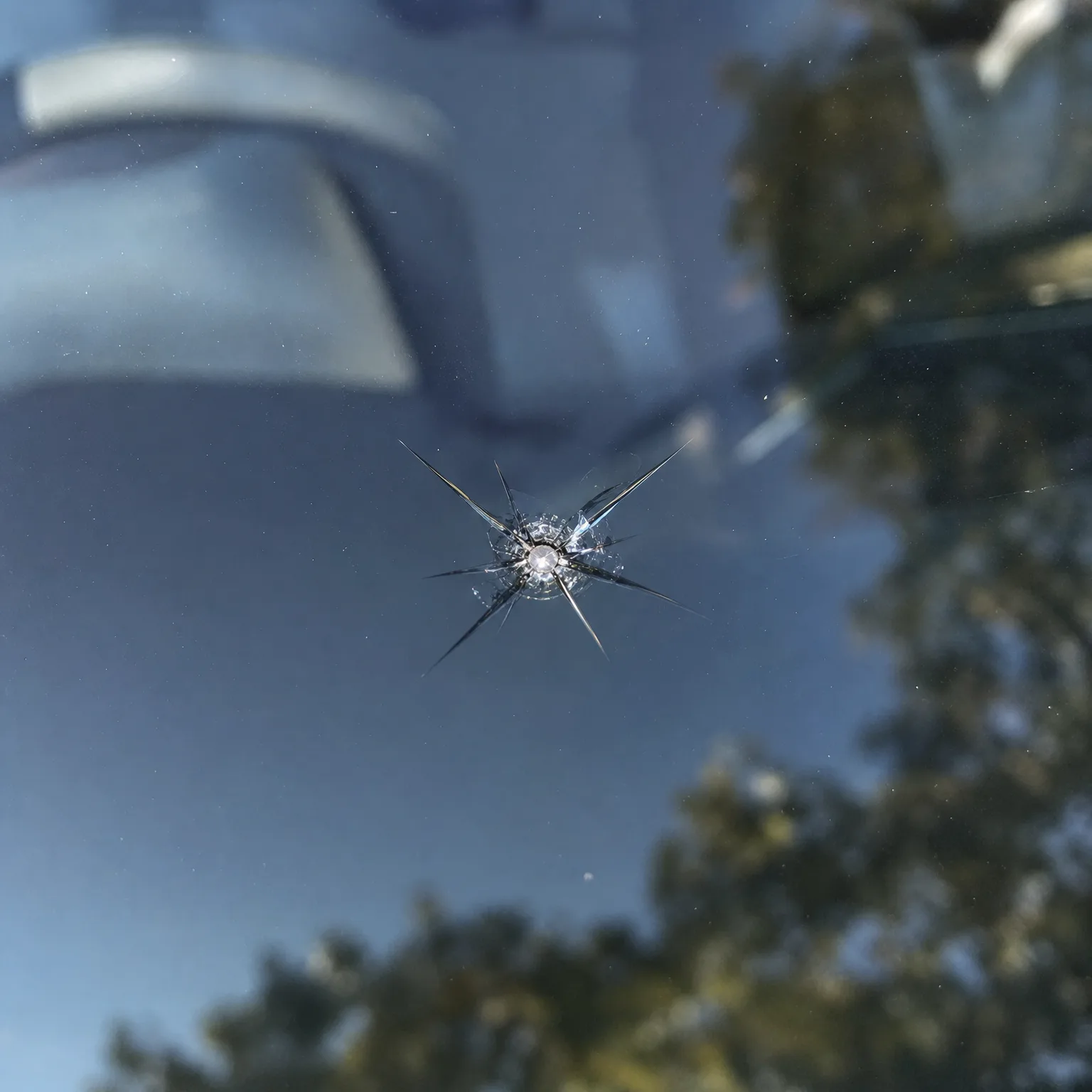
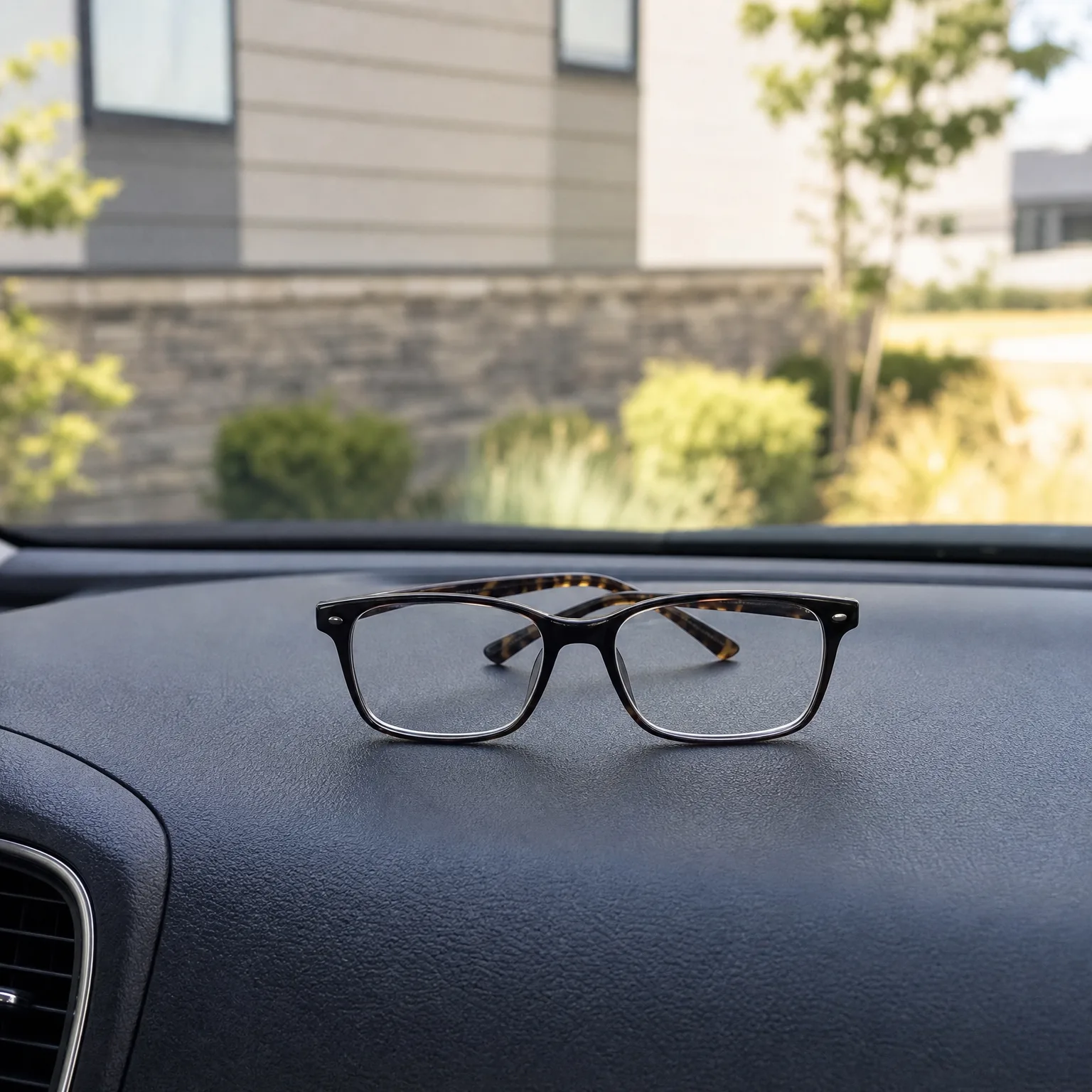
- Keep glass and lenses clean A dirty or scratched windshield scatters light far more than a clean one, and the same goes for old or scratched glasses. Replace wipers, clean glass inside and out, and update your prescription regularly.
- Get your eyes checked yearly Cataracts and dry eye both make glare worse and both are treatable. An annual eye exam catches these early, before they turn into a bigger driving or licensing problem.
- Look away from oncoming lights Shift your gaze slightly toward the right edge of your lane when a car approaches instead of looking at its headlights. This keeps you oriented without the direct glare hitting your eyes.
A driver who adjusted her routine instead of giving up night driving
A woman in her early eighties noticed that driving home from evening church service had become uncomfortable, with oncoming headlights leaving bright trails in her vision for several seconds afterward. She mentioned it to her eye doctor at her next checkup rather than waiting, and the exam found early cataracts in one eye along with a prescription that needed updating.
She had the cataract treated and got new glasses with an anti-reflective coating, and she also started tilting her rearview mirror down and cleaning her windshield weekly instead of monthly. The combination made a real difference. She still drives to evening service, but now she also gives herself a few extra minutes and takes a route with fewer oncoming headlights on narrow roads, a small adjustment that cost her nothing but made the drive easier.
Once you've sorted out your glare, compare quotes to make sure your coverage still fits how and when you drive.

Whether you get your night vision checked this year
If you do
An eye exam finds treatable causes like cataracts or dry eye early, often restoring much of your night vision. You'll know clearly whether glare is a fixable medical issue or something to manage with habits, and you can keep driving at night with more confidence and less guesswork.
If you don't
Glare you assume is just normal aging might actually be a treatable condition quietly getting worse. You may start avoiding night driving unnecessarily, or keep driving while your vision is worse than you realize, without ever finding out which one is true.
Why do new car headlights seem so much brighter than they used to be?
Many newer vehicles use brighter white or blue-toned LED headlights instead of the older yellow halogen type, and that whiter light scatters more in an aging eye. It's not your imagination or your eyes failing faster than before. If glare seems worse specifically around certain newer cars, this is likely why. Anti-reflective coating on your glasses and keeping your windshield spotless both help offset it.
Should I stop driving at night if glare bothers me?
Not automatically, since glare alone doesn't mean you're unsafe, but it's worth figuring out why it's happening before deciding. Get an eye exam first to rule out a fixable cause like cataracts. If your vision is otherwise healthy and glare still feels overwhelming, limiting night driving to familiar, well-lit routes is a reasonable middle step before giving it up entirely.
Do anti-glare glasses or windshield coatings really work?
Anti-reflective coating on glasses genuinely reduces glare by cutting reflections inside the lens itself, and it's worth asking for at your next exam. Windshield treatments and clip-on glare visors sold for driving are less consistently effective and some can actually distort your vision at night. Ask your eye doctor what they recommend rather than trying over-the-counter products first.
Glare usually has a specific, treatable cause, so the real step is an eye exam, not driving less.