How to Make Your Car Safer for Driving
The safest cars are the ones set up to match how you actually drive now, not how you used to drive.
Why small changes matter more than a new car
A safer car isn't necessarily a newer one. It's one where the mirrors, seat position, pedals, and visibility are set up for your current reflexes and range of motion, since those change gradually and most drivers don't readjust their car to match. The biggest risks on the road for any driver come from blind spots, delayed reaction time, and reduced visibility at night or in bad weather, and all three can be improved without buying anything new.
Many of the useful changes are mechanical and permanent, like adjusting mirrors to eliminate blind spots or replacing worn tires and wiper blades. Others are about habits, like choosing routes with fewer left turns across traffic or avoiding driving at dusk when glare is worst. Both matter, but they work differently. One changes what the car does for you automatically, the other changes what you ask the car to do.
Some safety features matter more than others depending on the car you already own. A backup camera or blind spot warning helps every driver, but features like automatic emergency braking vary by make and model year, so check what your specific car has rather than assuming. If you're considering a vehicle change, that's a separate decision from making your current car safer, and the two shouldn't be confused.
Where this gets specific to you is that insurers and license renewal programs sometimes recognize these changes differently depending on your state, so what counts as a documented safety improvement for one purpose might not count for another. Check with your state's licensing agency and your insurer separately, since they don't always share information.

The short version
Making your car safer is mostly about adjusting it to fit how you drive now, not replacing it. Mirrors, visibility, and tire condition matter more than age of the vehicle. Start by checking mirror position and headlight aim this week, since both are free and immediate.
Five changes that actually reduce your risk
- Adjust your mirrors Most mirrors are set wrong and leave blind spots you've stopped noticing. Set them wider than feels natural, so you rely less on turning your head to check.
- Replace worn tires and wipers Both wear out slowly enough that you stop noticing the decline. Check tread depth and wiper streaking now, before the next rain or ice.
- Get headlights aimed and cleaned Cloudy headlight covers cut visibility at night significantly. Have them cleaned or replaced, and ask a shop to check the aim while you're there.
- Add a backup camera or sensor This reduces the risk from limited neck mobility more than almost anything else. Many cars can have one installed even if it didn't come with one.
- Reconsider your regular routes Left turns across oncoming traffic and unprotected intersections carry more risk than distance does. Choose routes that avoid them, even if they take longer.
Once your car fits how you drive now, compare quotes to see if insurers recognize the improvements you've made.
Whether you make these changes now
If you do
Your reaction time effectively improves because you're seeing more and reacting sooner, not because you've gotten faster. Many of these changes also qualify as documented safety improvements, which can matter for license renewal or insurance review. The car fits you again, instead of fitting the driver you were years ago.
If you don't
Nothing happens immediately, and that's exactly the risk. Worn tires, dirty headlights, and bad mirror angles don't cause problems until a specific moment demands more from you than the car can give. Family members who've noticed near-misses will keep noticing, and keep asking.
What car safety features matter most for older drivers?
The ones that address vision and reaction time matter most, since those are the two areas most affected by age. Blind spot warnings, backup cameras, and larger mirrors directly reduce the risk from reduced neck mobility and peripheral vision. Automatic emergency braking helps with reaction time specifically. Features like advanced navigation or infotainment don't address age-related risk at all, so don't prioritize them. Check what your specific car model offers, since features vary significantly by year even within the same model.
Does adding safety features to my car lower my insurance rate?
Sometimes, but it depends entirely on your insurer and isn't guaranteed. Some insurers offer a discount for specific documented features like anti-theft devices or backup cameras, while others only account for safety features that came standard with the vehicle. Ask your insurer directly which upgrades they recognize before you pay for an installation expecting a discount. If lowering your rate is the main goal, a safe driving course often has a more predictable effect than equipment changes.
How often should I get my car checked for safety as I get older?
Once or twice a year is reasonable for most drivers, timed around seasons that change driving conditions most. A check before winter catches tire and wiper issues before ice and snow, and a check before summer catches air conditioning and visibility issues before glare and heat. If you drive less than you used to, parts still degrade on a calendar basis, not just a mileage basis, so don't assume low mileage means you can skip it.
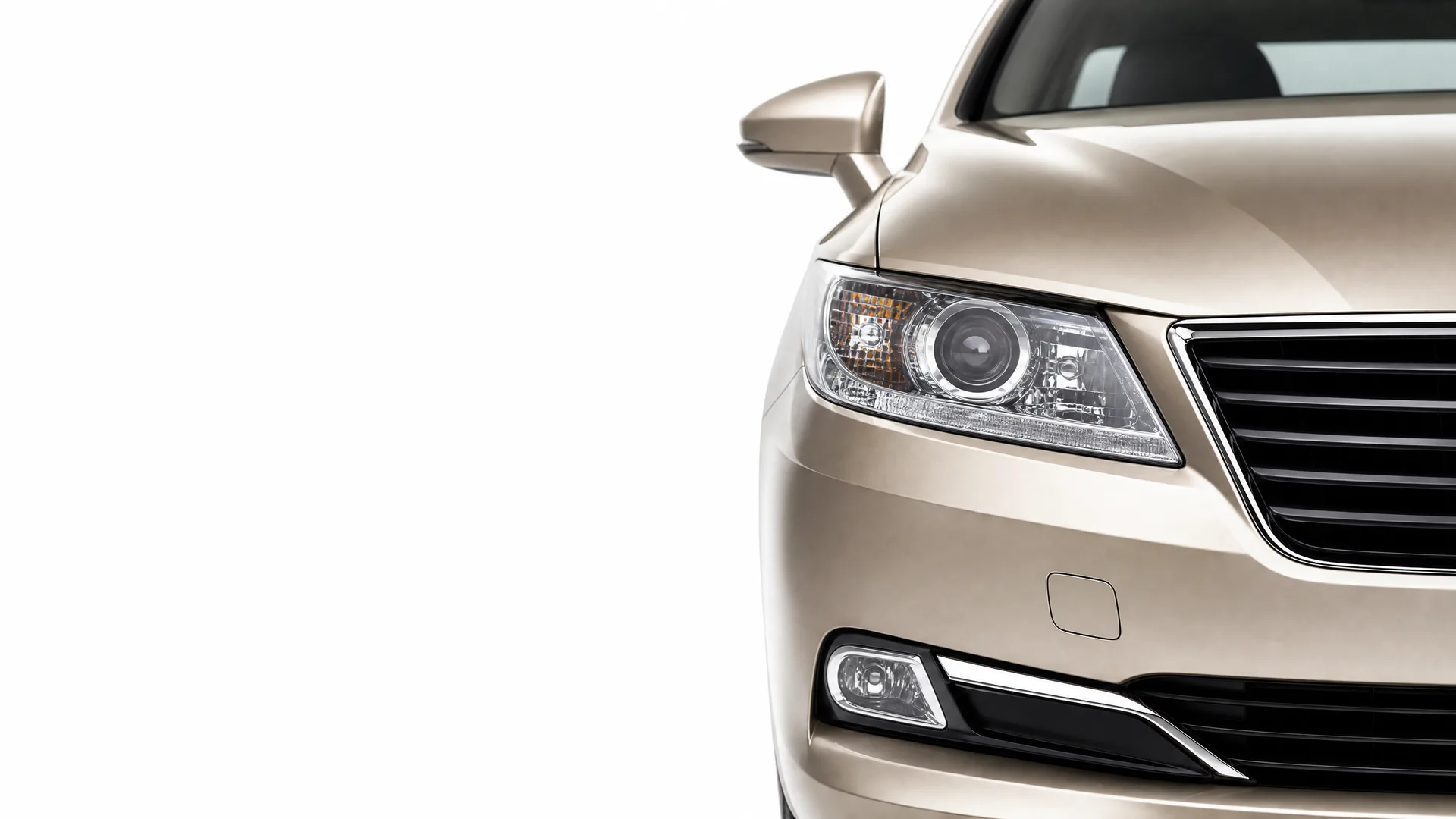
A safer car isn't a newer car. It's your car, adjusted to match how you see and react today.