How to Reduce Halos When Driving at Night
Halos around headlights at night are usually fixed by addressing your eyes, glasses, or windshield, not by giving up night driving.
One driver's halos turned out to be a windshield problem
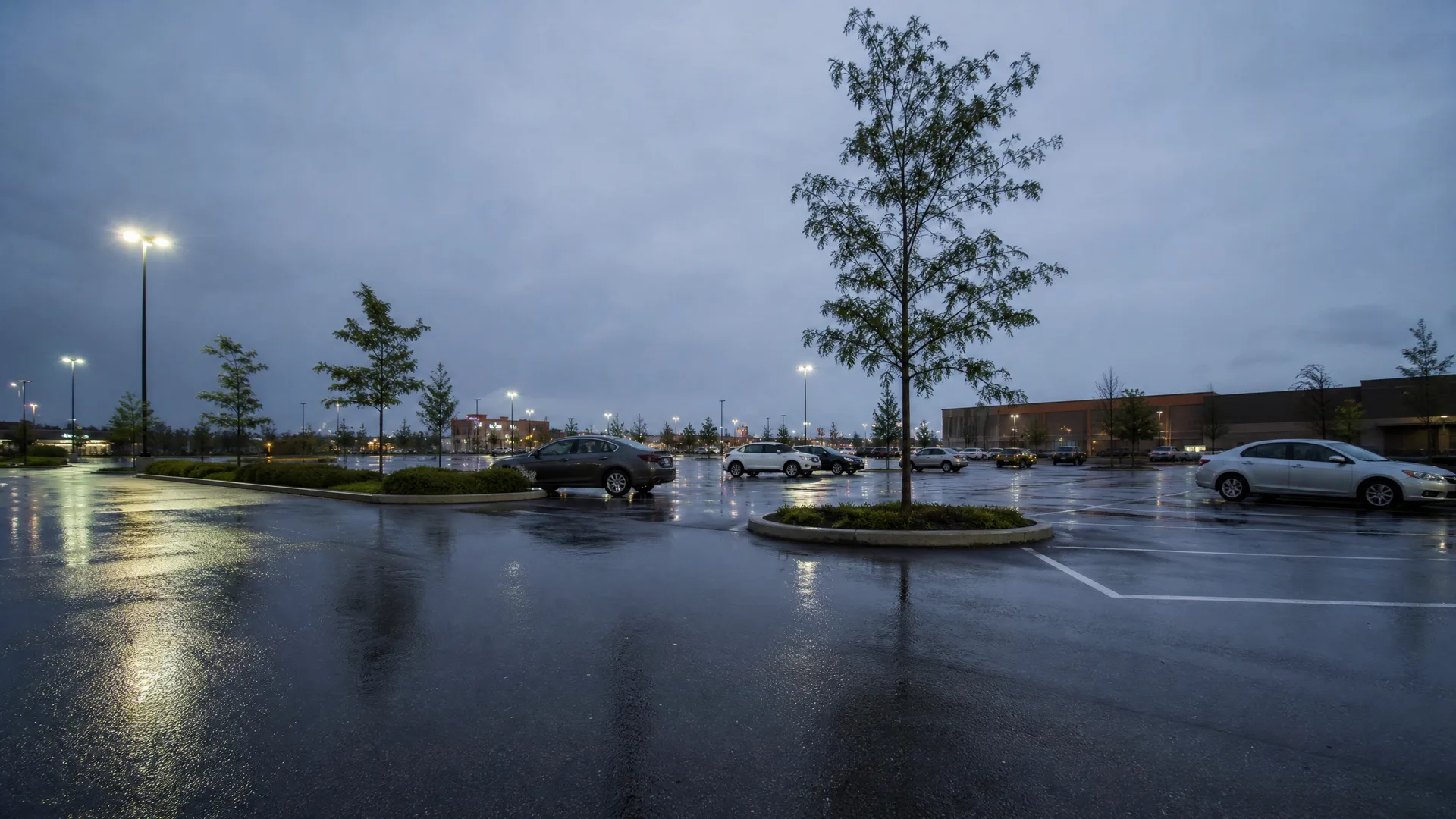
A driver in her early 80s noticed halos around oncoming headlights that seemed to get worse over a few months. She assumed it was just age and started avoiding night drives to her grandchildren's events, which she minded more than she let on. Her daughter asked about it, and instead of guessing, she brought it up at her next eye exam and also had her windshield checked at the same visit as her oil change.
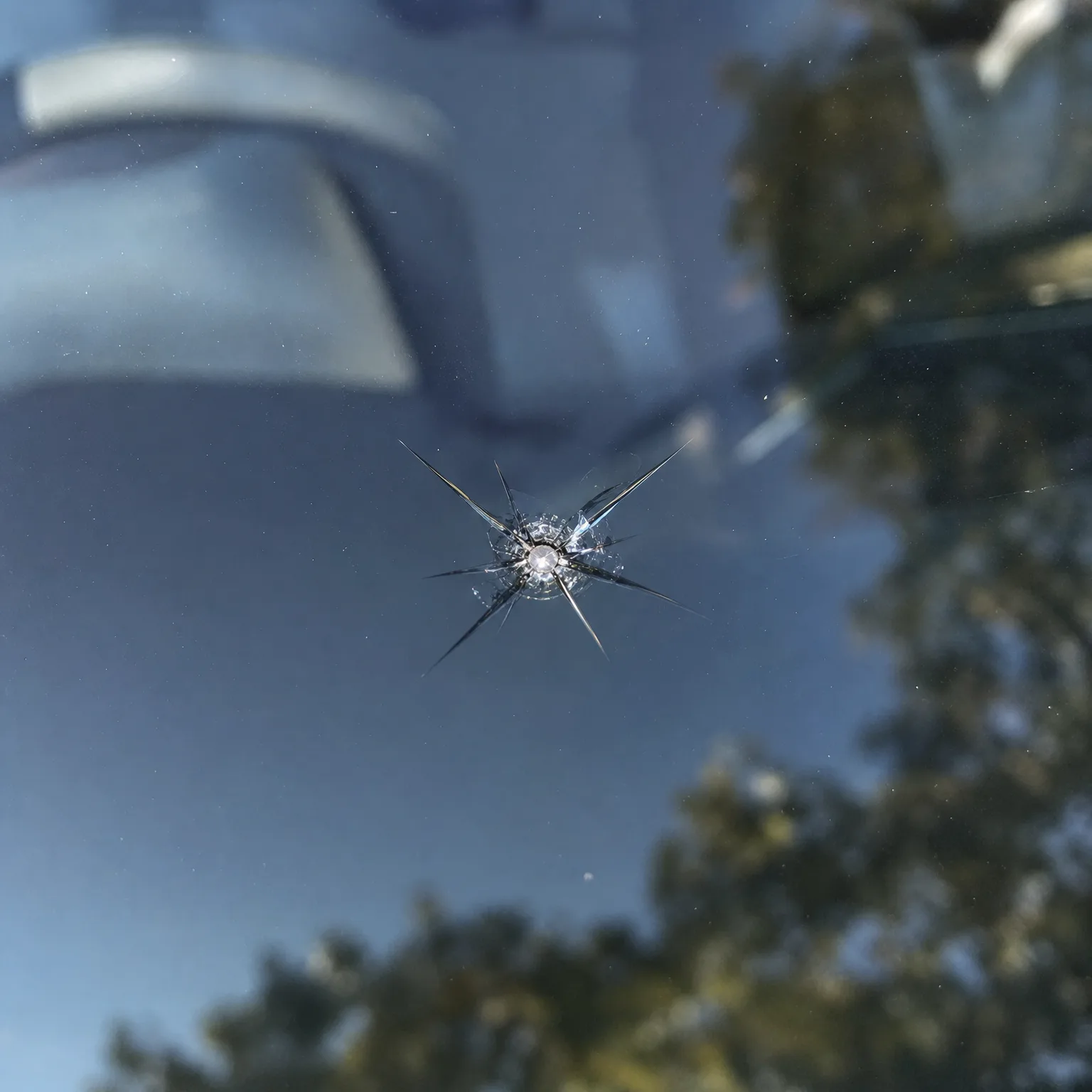
Her eye exam showed early cataracts, common at her age, but not advanced enough to need surgery yet. The bigger culprit turned out to be her windshield, pitted from years of highway driving and coated with a faint haze she'd stopped noticing. A new windshield cut the halos dramatically. She scheduled a follow-up eye exam for six months out to track the cataracts, and kept driving at night with her glasses' anti-reflective coating refreshed. She didn't need to stop driving. She needed better glass, literally and otherwise.
Do halos at night mean I need to stop driving?
No, not by themselves. Halos are a symptom, not a verdict. They tell you something is scattering light before it reaches your retina clearly, whether that's your windshield, your glasses, or changes inside your eye like early cataracts. None of those automatically mean you're unsafe to drive.
What matters is whether the halos are getting worse, whether they're paired with other changes like blurriness or trouble judging distance, and whether you've actually had them checked rather than assumed. Many drivers reduce halos significantly with simple fixes and keep driving at night for years afterward. The decision to stop driving at night, if it ever comes, should follow a real eye exam and an honest conversation with your doctor, not a guess based on one symptom.
Once the glare's addressed, compare quotes knowing a recent eye exam and clean record can work in your favor.

Getting your eyes and windshield checked versus waiting it out
If you do
You get a clear answer on whether the halos are from your eyes, your glasses, or your windshield. Most causes have a straightforward fix. You keep driving at night with more confidence, and you have documentation of a recent eye exam if anyone, including an insurer, ever asks about your vision.
If you don't
The halos likely stay the same or get slowly worse, since none of the common causes improve on their own. You keep avoiding night drives without knowing if you need to. If the cause is cataracts, waiting doesn't stop their progress, it just delays a fix that's usually quick and effective.
What actually reduces halos at night
- Get an eye exam first Halos often come from early cataracts or changes in your prescription. An exam tells you which it is, and both are usually treatable or correctable.
- Check your windshield Pitting, scratches, and haze scatter headlight glare more than people expect. Replacing or professionally polishing an old windshield can cut halos noticeably.
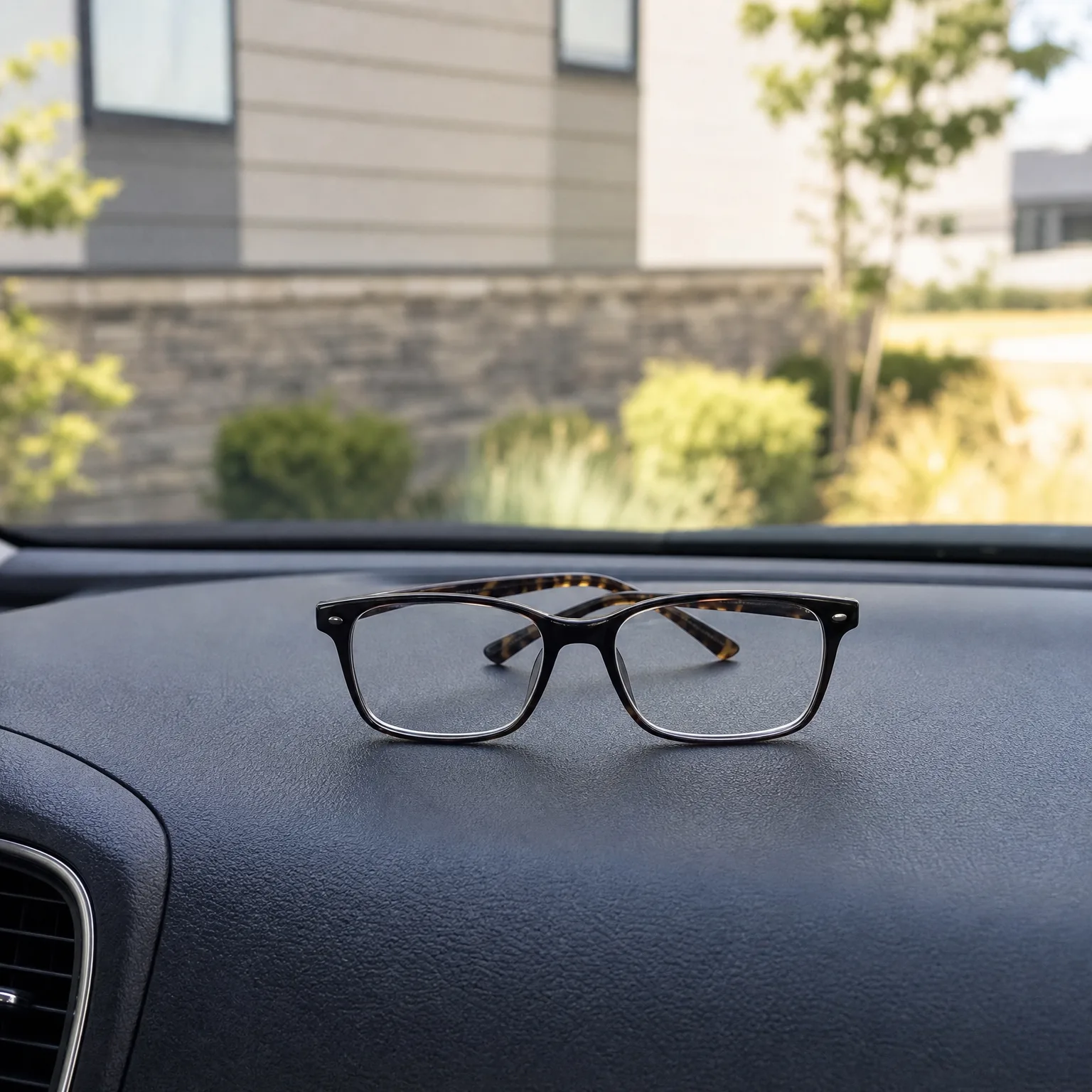
- Clean and update your glasses Scratched lenses or an outdated anti-reflective coating make glare worse. Ask your optometrist specifically about anti-reflective coating for night driving.
- Adjust your mirrors and habits Tilt mirrors to reduce glare from headlights behind you, and avoid looking straight at oncoming lights. Look slightly toward the road's edge instead.
- Reconsider your headlights too If other drivers' headlights seem unusually bright, your own windshield or glasses may be amplifying glare rather than their lights being brighter than before.
Can halos at night be a sign of a serious eye condition?
Sometimes, but usually they're from common, treatable causes like cataracts or an outdated prescription, which are far more frequent at this age than serious disease. Still, halos paired with sudden vision loss, eye pain, or one-sided symptoms warrant prompt medical attention. The way to know is a dilated eye exam, not guessing from the symptom alone. Bring up timing and any other changes you've noticed, since that context helps your eye doctor narrow down the cause quickly and accurately.
Will a vision problem affect my car insurance or license renewal?
It can, depending on your state's renewal requirements and your insurer's underwriting questions, so check your state's licensing agency for its specific vision standards. Most drivers who correct their vision with glasses, surgery, or treatment continue renewing normally. Insurers generally look at your driving record more than your eye exam results. If a condition is diagnosed and treated, keeping documentation of that treatment can help if questions ever come up during renewal.
Should I avoid night driving entirely until I get checked?
That's a reasonable precaution if the halos are new, worsening, or making you uncomfortable, but it isn't usually required just because halos appeared. Many drivers keep driving familiar, well-lit routes at night while waiting for an appointment. Avoid unfamiliar roads or heavy highway glare in the meantime. Once you've had an exam and addressed the cause, most drivers return to their normal night driving without needing ongoing restrictions.